


What Is Chronic Obstructive Pulmonary Disease (COPD)?
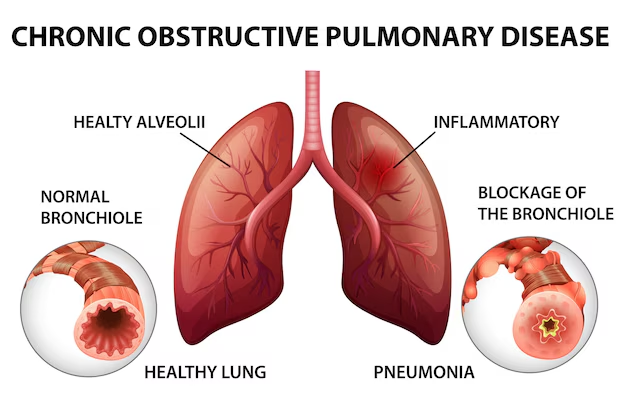
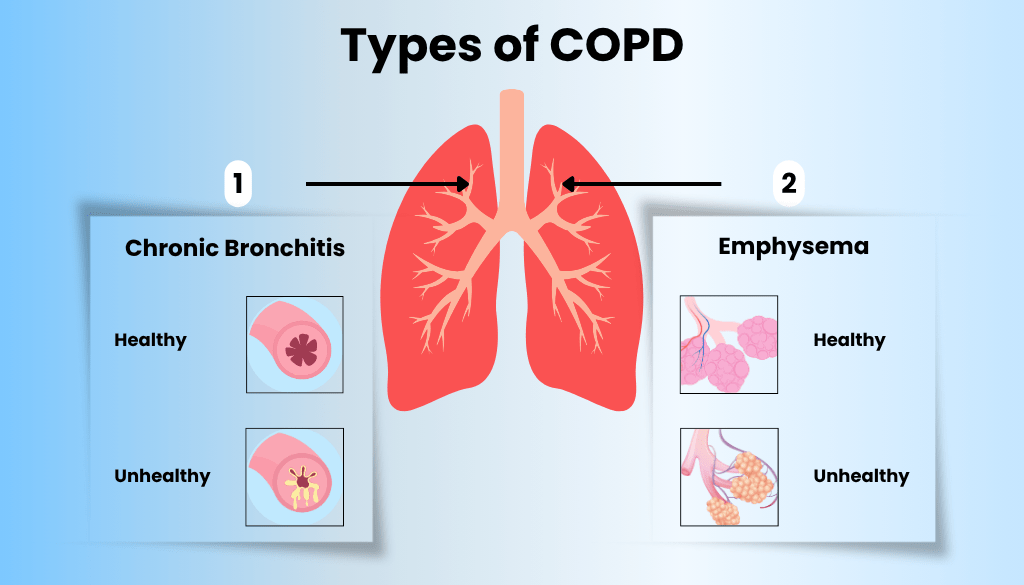
Chronic Obstructive Pulmonary Disease (COPD) is a group of progressive lung diseases that cause airflow obstruction, making it harder to breathe. The most common types of COPD are emphysema and chronic bronchitis. Emphysema damages the air sacs (alveoli) in the lungs, which makes it difficult for the lungs to exchange oxygen and carbon dioxide. Chronic bronchitis involves inflammation and narrowing of the airways, leading to chronic coughing and mucus production. Over time, COPD can worsen and lead to severe breathing difficulties, reduced lung function, and lower quality of life.
COPD is a major cause of disability worldwide and is often linked to long-term exposure to harmful substances such as cigarette smoke. The disease is progressive, meaning it typically worsens over time, but with appropriate treatment, individuals can manage symptoms and improve their quality of life.
What Causes COPD?
The primary cause of COPD is long-term exposure to irritants that damage the lungs and airways. The most common causes include:
- Cigarette smoking (the leading cause of COPD)
- Exposure to secondhand smoke
- Air pollution (both indoor and outdoor)
- Occupational exposure to harmful chemicals, dust, and fumes
- Genetic factors, such as alpha-1 antitrypsin deficiency (a rare inherited condition)
- Frequent respiratory infections during childhood, which can increase vulnerability to lung damage
The cumulative damage caused by these irritants over many years can eventually lead to COPD.
What Are the Symptoms of COPD?
The symptoms of COPD tend to develop slowly and worsen over time. Common symptoms include:
- Shortness of breath, especially during physical activity
- Chronic cough, often accompanied by mucus production
- Wheezing, or a whistling sound while breathing
- Chest tightness
- Frequent respiratory infections
- Fatigue, or feeling tired even after minimal exertion
- Unintended weight loss (especially in later stages of the disease)
- Bluish color to lips or fingertips, indicating low oxygen levels in the blood
If you experience persistent cough, shortness of breath, or wheezing, especially if you’re a smoker or have been exposed to lung irritants, it is important to seek medical attention.
How Is COPD Diagnosed?
To diagnose COPD, healthcare providers will typically perform the following:
- Medical history: Review of symptoms, smoking history, and exposure to lung irritants
- Physical examination: Includes listening to the lungs for abnormal sounds
- Spirometry (pulmonary function test): This test measures how much air you can breathe in and out and how quickly you can expel air from your lungs. This is the most common test for diagnosing COPD.
- Chest X-ray or CT scan: Used to check for lung damage, emphysema, or other structural abnormalities
- Arterial blood gas test: Measures oxygen and carbon dioxide levels in your blood to assess how well your lungs are functioning
Your healthcare provider may also perform blood tests to rule out other conditions or complications.
How Is COPD Treated?
Although there is no cure for COPD, treatments can help manage symptoms, slow disease progression, and improve quality of life. Treatment options include:
- Medications:
- Bronchodilators (e.g., albuterol, ipratropium) help relax the muscles around the airways, making it easier to breathe.
- Inhaled corticosteroids (e.g., fluticasone, budesonide) reduce inflammation in the airways.
- Combination inhalers that include both bronchodilators and steroids.
- Phosphodiesterase-4 inhibitors (e.g., roflumilast) for severe COPD with chronic bronchitis.
- Antibiotics or antiviral medications for respiratory infections.
- Oxygen therapy:
If blood oxygen levels are low, supplemental oxygen may be prescribed to help improve oxygen flow throughout the body. - Pulmonary rehabilitation:
A program that includes exercise training, nutritional advice, education, and support to help individuals with COPD improve lung function, reduce symptoms, and increase physical activity. - Vaccines:
Vaccinations for influenza, pneumonia, and COVID-19 are recommended to reduce the risk of respiratory infections, which can worsen COPD symptoms. - Surgical treatments (for severe cases):
- Lung volume reduction surgery: Removes damaged portions of the lungs to improve the remaining lung function.
- Lung transplant: In rare, severe cases, a lung transplant may be considered.
What Are the Risk Factors for COPD?
Several factors increase the likelihood of developing COPD, including:
- Smoking: The leading cause of COPD, with both current and former smokers being at higher risk.
- Secondhand smoke: Exposure to cigarette smoke from others can also increase the risk.
- Age: COPD is more common in people over 40, especially those with a history of smoking or lung irritant exposure.
- Genetic factors: Individuals with a family history of COPD or alpha-1 antitrypsin deficiency are at increased risk.
- Occupational exposures: Working in environments with chemicals, dust, or fumes can lead to lung damage and increase the risk of COPD.
- Environmental pollution: Long-term exposure to air pollution, both indoor and outdoor, can contribute to COPD.
What Are the Complications of COPD?
If left untreated or poorly managed, COPD can lead to several complications:
- Frequent respiratory infections: COPD increases the risk of infections, such as pneumonia or bronchitis.
- Heart problems: COPD can strain the heart, leading to heart failure or other cardiovascular issues.
- Lung cancer: Smoking and other COPD-related factors increase the risk of lung cancer.
- Pulmonary hypertension: Increased pressure in the blood vessels of the lungs, which can lead to heart failure.
- Depression and anxiety: Breathing difficulties can lead to emotional and psychological stress.
How Can COPD Be Prevented?
While COPD cannot always be prevented, there are steps you can take to reduce your risk:
- Quit smoking: The most effective way to prevent COPD is to never start smoking or to quit if you already smoke.
- Avoid exposure to lung irritants: Limit exposure to secondhand smoke, chemicals, dust, and air pollution.
- Use protective equipment at work: If you work in an environment with harmful fumes or dust, wear appropriate protective gear.
- Get regular vaccinations: Protect yourself from respiratory infections like the flu and pneumonia.
- Monitor and treat underlying conditions: If you have asthma or other lung conditions, work with your doctor to manage them effectively.
What Is the Prognosis for COPD?
COPD is a chronic, progressive disease, meaning it typically worsens over time. However, with early diagnosis and appropriate treatment, individuals with COPD can manage their symptoms and maintain an active lifestyle. The prognosis depends on factors such as the stage of the disease, overall health, and adherence to treatment plans. Quitting smoking and avoiding further lung irritants can significantly slow disease progression and improve the quality of life.
