


What Are Foot Reflexology Issues?
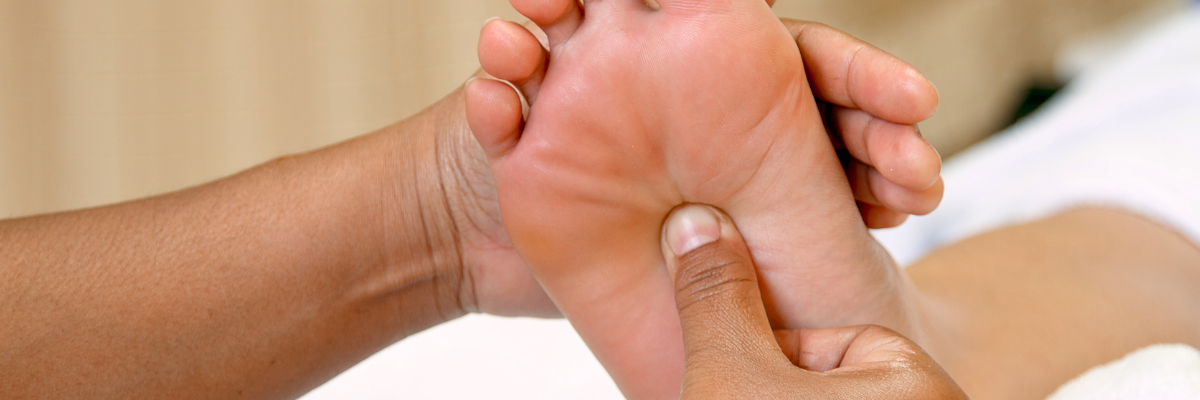
Foot reflexology is a therapeutic technique based on applying pressure to specific points on the feet, believed to correspond to various organs and systems in the body. While often used for relaxation and wellness, some individuals may experience issues either during or after treatment. These may include discomfort, adverse reactions, or lack of effectiveness.
What Are the Common Issues or Complaints?
- Soreness or bruising after treatment
- Increased sensitivity or pain in the feet
- Fatigue or dizziness post-session
- Headaches or nausea (especially after intense pressure)
- No noticeable benefits, particularly if used alone for serious conditions
- Emotional release or mood swings during or after sessions
What Can Cause These Issues?
- Excessive pressure applied to sensitive areas
- Pre-existing foot conditions (e.g., plantar fasciitis, neuropathy)
- Underlying health issues (diabetes, circulatory problems)
- Unqualified practitioners using incorrect techniques
- Expecting medical results from a non-medical practice
When Is Reflexology Not Recommended?
Reflexology may not be suitable for everyone. Caution is advised in individuals with:
- Blood clotting disorders or on blood thinners
- Severe foot injuries, wounds, or infections
- Active gout or arthritis flare-ups
- Pregnancy (without professional consultation)
- Neuropathy or uncontrolled diabetes
How to Reduce or Prevent Issues
- Choose a certified or experienced reflexologist
- Communicate clearly about pain thresholds and health history
- Stay hydrated before and after sessions
- Limit session length if new to reflexology
- Avoid sessions when ill or during physical strain

Is Foot Reflexology Safe?
Generally, reflexology is considered safe for most healthy individuals when performed by a trained professional. However, it is not a substitute for medical treatment, and any new or worsening symptoms should be evaluated by a healthcare provider.
When Should You See a Doctor?
- If you experience persistent pain, numbness, or swelling after treatment
- If your symptoms worsen rather than improve
- If you have underlying medical conditions and notice new symptoms
