


What is Abdominal Aortic Dissection?
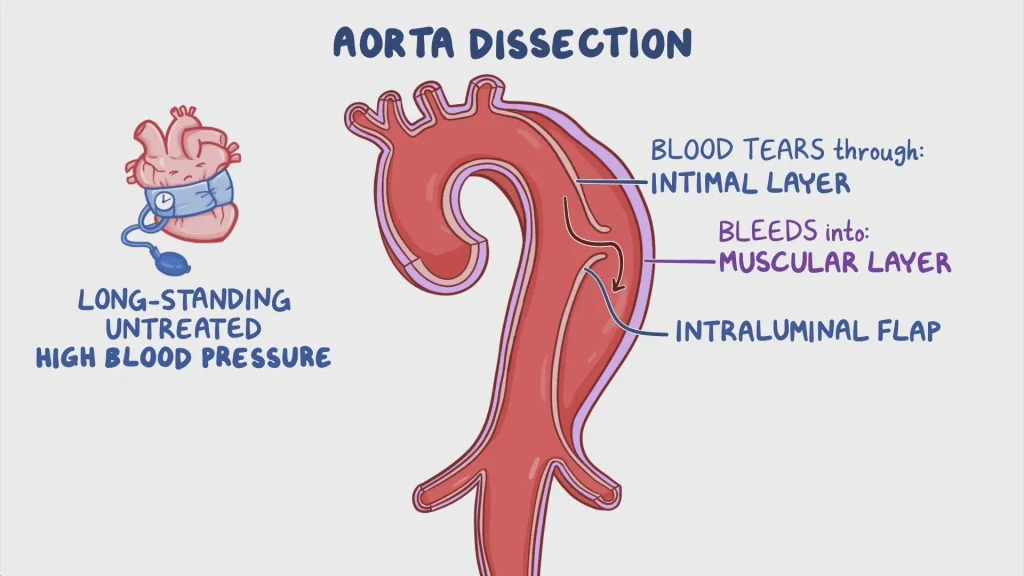
Abdominal Aortic Dissection is a life-threatening condition where the inner layer of the abdominal aorta tears, causing blood to flow between the layers of the artery wall. This can lead to rupture, organ damage, or death if not treated immediately.
What Are the Symptoms of Abdominal Aortic Dissection?
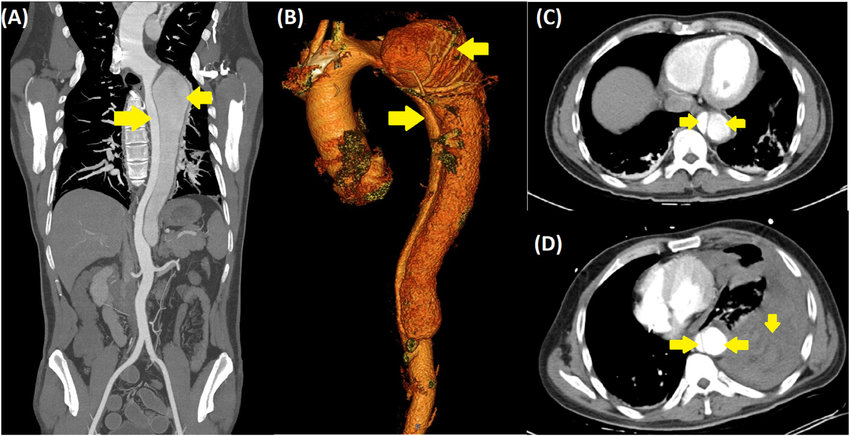
Symptoms can vary depending on the extent of the tear and affected areas. Some cases develop suddenly, while others progress over time.
Common Symptoms:
- Severe, sharp pain in the abdomen or lower back
- Pain that radiates to the legs, chest, or groin
- Sudden drop in blood pressure
- Cold, clammy skin and excessive sweating
- Dizziness or fainting
- Weak pulse in the legs or feet
Symptoms of a Ruptured Aortic Dissection (Medical Emergency ):
- Intense, tearing pain in the abdomen or back
- Loss of consciousness
- Shock symptoms – rapid heartbeat, confusion, extreme weakness
- Paralysis or difficulty walking (if blood supply is cut off to the spine)
Seek immediate medical attention if these symptoms appear!
What Causes Abdominal Aortic Dissection?
Aortic dissection occurs when the inner lining of the aorta weakens and tears, allowing blood to force its way between the layers of the artery wall.
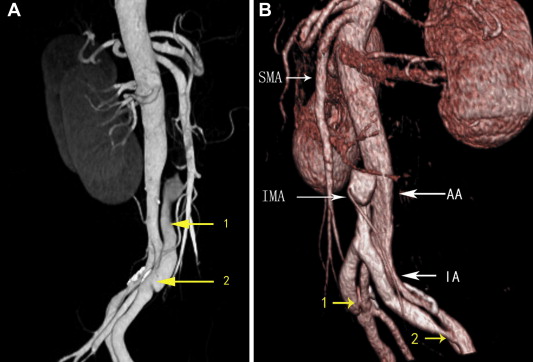
Primary Causes:
- Uncontrolled High Blood Pressure (Hypertension) – Weakens artery walls over time
- Atherosclerosis (Plaque Buildup in Arteries) – Increases stress on the aortic wall
- Trauma or Injury – Severe accidents or falls can cause dissection
- Genetic Conditions – Marfan Syndrome, Ehlers-Danlos Syndrome, and other connective tissue disorders
Other Contributing Factors:
- Aging (Risk increases after age 60)
- Smoking – Damages arteries and raises blood pressure
- Bicuspid Aortic Valve (Heart Defect)
- Inflammatory Diseases – Such as arteritis or vasculitis
How Is Abdominal Aortic Dissection Diagnosed?
Since symptoms resemble heart attacks or other emergencies, a quick and accurate diagnosis is crucial.
Clinical Assessment:
- Physical Examination – Checks for weak pulses, low blood pressure, and pain location
- Medical History Review – Identifies risk factors
Imaging & Tests:
- CT Scan or MRI – Provides a detailed view of the aortic tear
- Ultrasound – Can detect abnormalities in the aorta
- Angiography – Uses contrast dye to highlight blood flow in the arteries
How Is Abdominal Aortic Dissection Treated?
Emergency Medical Care (For Type A or Severe Type B Dissections):
- Immediate Blood Pressure Control – IV medications to reduce strain on the aorta
- Oxygen and IV Fluids – Stabilizes the patient for surgery
Surgical Treatments:
Endovascular Aortic Repair (EVAR):
- Minimally invasive procedure using a stent graft to seal the dissection
- Faster recovery and fewer complications
Open Surgery (Aortic Graft Repair):
- Replacement of the damaged aorta with a synthetic graft
- Required for large or complicated dissections
How Does Abdominal Aortic Dissection Affect the Body and Mind?
Physical Effects:
- Restricted blood flow to vital organs
- Risk of rupture, stroke, or heart attack
- Kidney damage or paralysis (if blood supply is compromised)
Mental & Emotional Effects:
- Post-traumatic stress from a life-threatening emergency
- Anxiety and fear of recurrence
- Long-term lifestyle changes required
What Are the Long-Term Effects of Abdominal Aortic Dissection?
Without treatment, abdominal aortic dissection can lead to:
- Aortic rupture (90% fatality rate if untreated)
- Permanent organ damage due to lack of blood supply
- Chronic hypertension and further cardiovascular risks
How to Manage Abdominal Aortic Dissection for a Better Quality of Life?
For Individuals with Aortic Dissection:
Strict blood pressure control – Medications and lifestyle changes
Quit smoking – Reduces risk of further artery damage
Regular follow-ups – Monitor the aorta for complications
Safe physical activity – Avoid heavy lifting and intense exertion
For Caregivers & Families:
Provide emotional support and help manage lifestyle adjustments
Recognize emergency symptoms and act quickly
For Healthcare Providers & Communities:
Screen high-risk individuals with family history or hypertension
Raise awareness on early detection and prevention