


What Is Dentinal Tubule Transmission of Stimuli?
Dentinal tubule transmission of stimuli refers to the process by which external stimuli, such as temperature changes, pressure, or chemical exposure, are transmitted through the dentinal tubules in the tooth. The dentinal tubules are small channels located within the dentin layer of the tooth. When these tubules are exposed due to enamel loss, gum recession, or other dental issues, external stimuli can trigger the nerves inside the tooth, leading to sensations like pain, discomfort, or sensitivity.
In this article, we’ll explore how dentinal tubule transmission of stimuli works, the causes of this process, and the ways to manage the sensitivity and discomfort it may cause.

How Does Dentinal Tubule Transmission of Stimuli Work?
Dentinal tubule transmission of stimuli occurs when external factors, such as heat, cold, pressure, or chemicals, interact with the exposed dentinal tubules. The dentinal tubules contain fluid, and when stimuli affect this fluid, it moves within the tubules. This fluid movement then activates nerve endings at the end of the tubules, which transmit the signal to the brain, resulting in sensations such as pain or discomfort.
The key steps in the dentinal tubule transmission of stimuli are:
- Stimuli interaction: External factors, such as a change in temperature, pressure, or acidity, affect the fluid inside the dentinal tubules.
- Fluid movement: The stimuli cause the fluid within the tubules to move or shift.
- Nerve activation: This movement stimulates nerve endings located at the end of the tubules.
- Sensation transmission: The nerve signals travel to the brain, where they are perceived as pain, discomfort, or sensitivity.
What Causes Dentinal Tubule Transmission of Stimuli?
Various factors can cause dentinal tubule transmission of stimuli, leading to tooth sensitivity or discomfort. Common causes include:
- Does Enamel Erosion Contribute to Dentinal Tubule Transmission of Stimuli? Yes, enamel erosion is one of the primary causes. The enamel layer of the tooth protects the dentin and its tubules. When enamel wears away due to acidic foods, abrasive brushing, or tooth grinding, the dentin becomes exposed, making the tubules more vulnerable to stimuli.
- Can Gum Recession Lead to Dentinal Tubule Transmission of Stimuli? Yes, gum recession can also cause dentinal tubule transmission of stimuli. As the gums pull back, they expose the tooth roots, which are made of dentin. When the root surface is exposed, it allows stimuli to penetrate deeper into the tubules, triggering sensitivity or discomfort.
- Does Tooth Decay Contribute to Dentinal Tubule Transmission of Stimuli? Yes, tooth decay or cavities can cause the enamel to break down, exposing the underlying dentin and tubules. The exposed tubules make the tooth more sensitive to temperature, pressure, and other external factors.
- Can Teeth Whitening Products Affect Dentinal Tubule Transmission of Stimuli? Yes, certain teeth whitening products can increase dentinal tubule transmission of stimuli. These products, particularly those containing bleaching agents, can temporarily open the dentinal tubules and make the tooth more sensitive to hot, cold, or acidic foods and drinks.
What Are the Symptoms of Dentinal Tubule Transmission of Stimuli?
The main symptom of dentinal tubule transmission of stimuli is tooth sensitivity. This sensitivity can vary in intensity and is usually triggered by specific stimuli. Common symptoms include:
- Sharp pain or discomfort when consuming hot, cold, sweet, or acidic foods or drinks.
- Sensitivity while brushing or flossing, especially in areas where the enamel has worn down or the gums have receded.
- Increased sensitivity to air, particularly cold air that comes in contact with exposed areas of the tooth.
- Pain or discomfort when chewing or biting on affected teeth.
How Is Dentinal Tubule Transmission of Stimuli Diagnosed?
A dentist can diagnose dentinal tubule transmission of stimuli by performing a thorough dental examination. Diagnostic methods include:
- Physical examination: The dentist will look for signs of enamel erosion, gum recession, or cavities that may expose the dentin and tubules.
- Sensitivity tests: The dentist may apply cold or heat to specific areas of the tooth to assess the level of sensitivity and the response to stimuli.
- X-rays: X-rays can help detect cavities, gum recession, or other dental conditions that may contribute to the exposure of dentinal tubules.
How Can Dentinal Tubule Transmission of Stimuli Be Managed?
Several treatment options can help manage dentinal tubule transmission of stimuli and reduce tooth sensitivity:
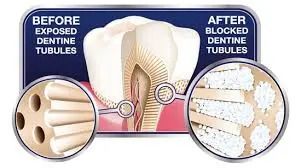
- Can Desensitizing Toothpaste Help with Dentinal Tubule Transmission of Stimuli? Yes, desensitizing toothpaste is an effective treatment. These toothpastes contain ingredients like potassium nitrate or strontium chloride, which block the exposed tubules and help reduce the transmission of stimuli, leading to less sensitivity over time.
- Can Fluoride Treatments Help with Dentinal Tubule Transmission of Stimuli? Yes, fluoride treatments can help strengthen the enamel and reduce tooth sensitivity. Fluoride remineralizes the enamel and makes the dentin less permeable to external stimuli.
- Are Dental Sealants Effective for Dentinal Tubule Transmission of Stimuli? Yes, dental sealants are used to cover exposed areas of the tooth and seal the dentinal tubules. By creating a barrier over the exposed dentin, sealants prevent external stimuli from triggering pain or discomfort.
- Can Resin Fillings Help with Dentinal Tubule Transmission of Stimuli? Yes, resin fillings or bonding materials can be applied to exposed dentin to block the tubules and reduce sensitivity. This treatment provides a protective layer over the dentin, preventing stimuli from affecting the nerves inside the tooth.
- Is Root Canal Treatment Necessary for Severe Cases of Dentinal Tubule Transmission of Stimuli? In severe cases of dentinal tubule transmission of stimuli, especially when the tooth sensitivity is persistent and unbearable, a root canal may be necessary. This procedure removes the nerve from inside the tooth, eliminating the source of pain or discomfort.
How Can Dentinal Tubule Transmission of Stimuli Be Prevented?
Although it may not be possible to fully prevent dentinal tubule transmission of stimuli, there are steps you can take to minimize your risk:
- Practice good oral hygiene: Brush your teeth gently with a soft-bristled toothbrush and use fluoride toothpaste. Floss regularly to remove plaque and reduce the risk of gum disease and enamel erosion.
- Limit acidic foods and drinks: Avoid or limit the consumption of acidic foods and beverages, such as citrus fruits, soda, and wine, which can wear down enamel and expose the dentin.
- Wear a mouthguard: If you grind your teeth at night, a mouthguard can protect your enamel and prevent unnecessary wear and tear on your teeth.
- Get regular dental check-ups: Routine visits to the dentist will allow for the early detection of enamel erosion, cavities, or gum recession, enabling timely treatments to prevent further sensitivity.
When Should You See a Dentist for Dentinal Tubule Transmission of Stimuli?
If you experience persistent tooth sensitivity or discomfort, it’s important to see a dentist. The dentist will be able to assess the severity of dentinal tubule transmission of stimuli and recommend appropriate treatments to alleviate the symptoms and protect your teeth.
