


What is Hallux Valgus?
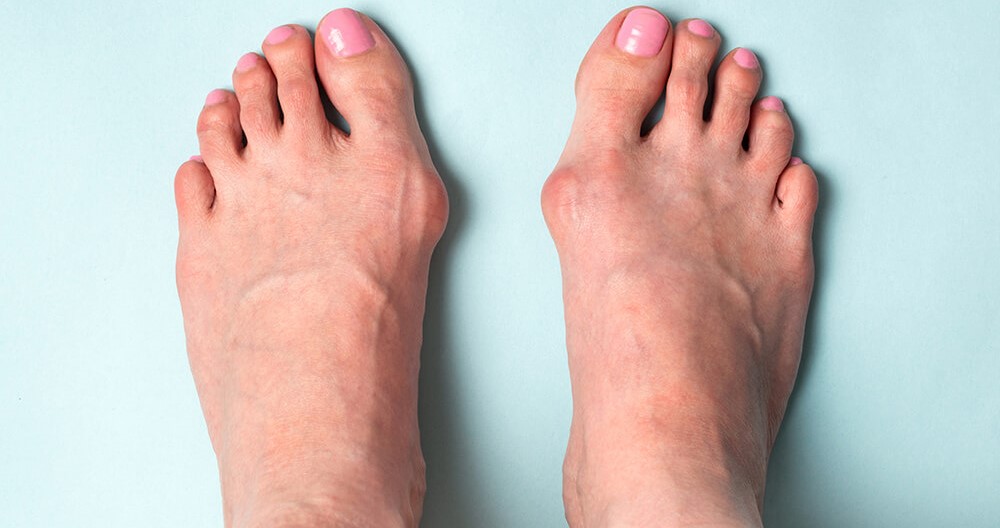
Hallux valgus, commonly known as a bunion, is a foot deformity where the big toe (hallux) bends toward the second toe, causing a bony bump to develop on the side of the foot at the base of the big toe. This condition can cause pain, swelling, and difficulty wearing shoes. Over time, it may lead to changes in how a person walks and affect foot function.
What Causes Hallux Valgus?
Hallux valgus is caused by a combination of genetic, structural, and environmental factors. Contributing causes include:
- Inherited foot structure (flat feet, loose ligaments, or abnormal bone alignment)
- Wearing tight, narrow, or high-heeled shoes that crowd the toes
- Arthritis, particularly rheumatoid arthritis
- Foot injuries
- Neuromuscular conditions that affect muscle balance in the foot
It is more common in women, especially those who wear fashion shoes that squeeze the toes.
What Are the Symptoms?
The most common symptoms of hallux valgus include:
- A visible bump on the side of the foot at the base of the big toe
- Pain, swelling, and redness around the joint
- Corns or calluses where the first and second toes overlap
- Restricted movement of the big toe
- Difficulty finding comfortable shoes
- Changes in gait or walking pattern due to foot discomfort
Symptoms often worsen with prolonged standing or walking.
How Is It Diagnosed?
Diagnosis is usually straightforward and includes:
- Physical examination to assess the position of the toe and the severity of the deformity
- X-rays to evaluate bone alignment and joint damage
- Measurement of the hallux valgus angle, which helps determine how severe the condition is
Doctors may also assess for other foot conditions such as arthritis or hammertoe.
What Is the Treatment?
Treatment for hallux valgus depends on the severity of symptoms and deformity. Options include non-surgical and surgical approaches:
Non-Surgical Treatments:
- Wearing wider, more comfortable shoes
- Orthotic inserts or padding to relieve pressure on the bunion
- Toe spacers or bunion splints
- Pain relievers such as NSAIDs (e.g., ibuprofen)
- Ice application to reduce swelling
Surgical Treatment:
Surgery may be recommended if pain persists and affects daily activities. Types of bunion surgery (also called bunionectomy) include:
- Removing the bony bump
- Realigning the bones of the foot
- Fusing the joint in severe cases
Recovery from surgery can take several weeks to months, depending on the procedure.

Are There Any Complications?
If left untreated, hallux valgus can lead to:
- Chronic foot pain
- Difficulty walking or wearing shoes
- Development of hammertoes, corns, or calluses
- Arthritis in the affected joint
- Bursitis (inflammation of the fluid-filled sac near the joint)
Even after surgery, there is a small risk of recurrence.
What Is the Outlook?
The outlook for hallux valgus is generally good, especially when managed early. Non-surgical treatments can relieve symptoms in many cases. For those who require surgery, most experience significant pain relief and improved foot alignment. However, proper footwear and follow-up care are important to prevent recurrence.
