What Is Glandular Fever?
Glandular fever, also known as infectious mononucleosis or mono, is a viral infection commonly caused by the Epstein-Barr virus (EBV). It mainly affects teenagers and young adults and is sometimes referred to as the “kissing disease” because it spreads through saliva. The illness usually goes away on its own, but symptoms can last for several weeks.
What Causes Glandular Fever?
Glandular fever is caused primarily by the Epstein-Barr virus (EBV), a member of the herpes virus family. It spreads through:
- Saliva (e.g., kissing, sharing drinks or utensils)
- Coughs and sneezes
- Less commonly, through blood transfusions or organ transplants
Once infected, the virus stays in the body in an inactive form and can reactivate without causing symptoms.
Symptoms of Glandular Fever
Symptoms typically appear 4 to 6 weeks after exposure and can last for several weeks. They may include:
- Extreme fatigue and weakness
- Sore throat (often severe)
- Swollen glands in the neck and armpits
- Fever and chills
- Headache
- Muscle aches
- Loss of appetite
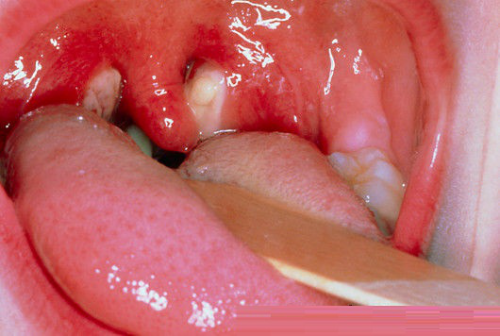
- Swollen tonsils (sometimes with white patches)
- Enlarged spleen or liver (in some cases)
- Skin rash (in some individuals)
- Sensitivity to light
How Is Glandular Fever Diagnosed?
Diagnosis is based on symptoms and confirmed by:
- Physical examination – checking for swollen glands, tonsils, and spleen
- Blood tests:
- Monospot test (detects EBV antibodies)
- EBV-specific antibody test
- Complete blood count (may show high white blood cell count)
Treatment for Glandular Fever
There is no specific cure for glandular fever. Treatment focuses on relieving symptoms:
- Rest and hydration – essential for recovery
- Pain relievers and fever reducers (e.g., paracetamol, ibuprofen)
- Saltwater gargles or lozenges – to soothe sore throat
- Avoiding contact sports – to reduce risk of spleen rupture
- Corticosteroids – in severe cases with swollen tonsils or breathing difficulty
Antibiotics do not work against viral infections and are only used if there’s a secondary bacterial infection.
Complications of Glandular Fever
Most people recover fully, but complications can occur:
- Enlarged spleen (risk of rupture)
- Liver inflammation (hepatitis)
- Jaundice (yellowing of skin/eyes)
- Severe sore throat with breathing difficulty
- Fatigue that lingers for weeks or even months
- Rarely, neurological issues like meningitis or Guillain-Barré syndrome
Can Glandular Fever Be Prevented?

There’s no vaccine for EBV, but you can reduce your risk by:
- Avoiding sharing food, drinks, or utensils
- Not kissing someone who has mono
- Practicing good hand hygiene
Who Is at Risk?
Anyone can get glandular fever, but it’s more common in:
- Teenagers and young adults (ages 15–25)
- People in close contact with an infected person
- Individuals with weakened immune systems
Living with Glandular Fever
While recovery may take time, most people return to normal activities with rest and care. Tips for managing the illness:
- Take time off school or work as needed
- Prioritize rest and sleep
- Eat a nutritious, balanced diet
- Stay well-hydrated
- Slowly resume physical activity once energy returns