


intraduction
Arrhythmogenic Right Ventricular Dysplasia (ARVD) is a rare and potentially serious condition that affects the heart’s right ventricle. It causes the replacement of healthy heart muscle with fatty or fibrous tissue, which can lead to abnormal heart rhythms (arrhythmias) and even sudden cardiac arrest. This disorder is most commonly diagnosed in young adults, particularly athletes, and is often associated with sudden cardiac death in young, otherwise healthy individuals.
In this article, we will discuss Arrhythmogenic Right Ventricular Dysplasia (ARVD), its causes, symptoms, diagnostic methods, and available treatments.
What is Arrhythmogenic Right Ventricular Dysplasia (ARVD)?
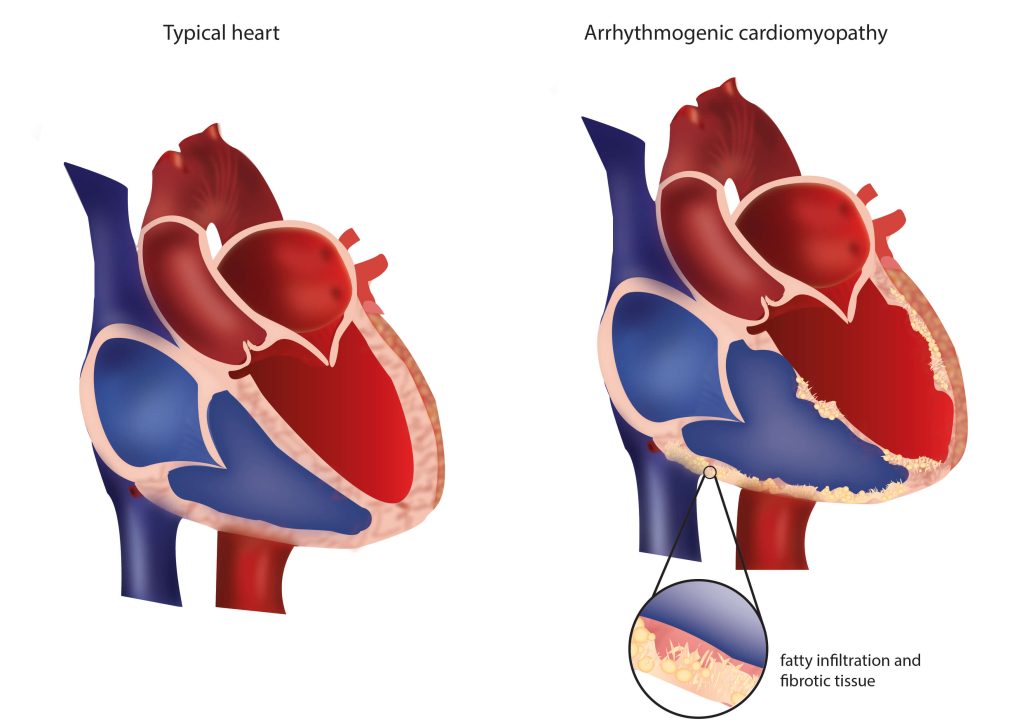
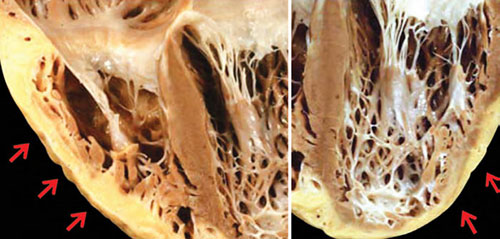
Arrhythmogenic Right Ventricular Dysplasia (ARVD), also known as Arrhythmogenic Right Ventricular Cardiomyopathy (ARVC), is a condition that primarily affects the right ventricle of the heart. This rare disease leads to the replacement of heart muscle with fatty or fibrous tissue, which weakens the heart muscle and disrupts the heart’s normal electrical conduction. As a result, individuals with ARVD often experience irregular heartbeats (arrhythmias), which can be life-threatening.
Genetic Cause:
ARVD is usually inherited in an autosomal dominant manner, meaning that an affected person has a 50% chance of passing the condition onto their children. Genetic mutations primarily affect the desmosomal proteins, which are responsible for maintaining the structural integrity of heart muscle cells. When these proteins are defective, it leads to the formation of scar tissue and fatty deposits in the heart, impairing its function.
What Are the Causes of Arrhythmogenic Right Ventricular Dysplasia (ARVD)?
The primary cause of Arrhythmogenic Right Ventricular Dysplasia (ARVD) is genetic mutations that disrupt the normal function of desmosomal proteins in heart muscle cells. These mutations weaken the heart tissue, which is gradually replaced by fatty and fibrous tissue. The exact genetic mutations involved vary, but they primarily affect the following genes:
- PKP2 (Plakophilin-2)
- DSP (Desmoplakin)
- DSG2 (Desmoglein-2)
- JUP (Junction Plakoglobin)
Genetic Inheritance:
- Autosomal Dominant Pattern: Most cases of ARVD are inherited in an autosomal dominant pattern, meaning one defective gene from either parent is enough to cause the condition.
- Sporadic Cases: In some instances, ARVD may develop sporadically, without a family history of the disorder.
Other factors, such as physical activity and family history, may influence the onset and severity of ARVD, but genetics is the most significant factor.
What Are the Symptoms of Arrhythmogenic Right Ventricular Dysplasia (ARVD)?
The symptoms of Arrhythmogenic Right Ventricular Dysplasia (ARVD) can range from mild to severe, and many individuals with ARVD may not experience symptoms until later in life. The condition can progress slowly, and symptoms may not appear until adulthood.
Common Symptoms:
- Palpitations: A feeling of rapid or irregular heartbeats that may be uncomfortable or alarming.
- Fainting (Syncope): Sudden loss of consciousness or near-fainting, often triggered by exertion or stress.
- Shortness of Breath: Difficulty breathing, particularly during physical activity or exercise.
- Fatigue: Unexplained tiredness or weakness, even after rest.
- Chest Pain: Some individuals may experience chest discomfort, especially during physical exertion.
Severe Symptoms:
- Sudden Cardiac Arrest (SCA): One of the most dangerous complications of ARVD is sudden cardiac arrest, which can occur without warning. This is a life-threatening condition where the heart suddenly stops beating due to an arrhythmia.
- Heart Failure: In severe cases, ARVD can progress to heart failure, which occurs when the heart is unable to pump enough blood to meet the body’s needs. This can lead to fluid retention, swelling, and difficulty breathing.

How is Arrhythmogenic Right Ventricular Dysplasia (ARVD) Diagnosed?
Diagnosing Arrhythmogenic Right Ventricular Dysplasia (ARVD) can be challenging, as symptoms may develop slowly over time, and many individuals may remain asymptomatic. A thorough evaluation by a cardiologist is required, and several diagnostic tests may be performed to assess the heart’s structure and function.
Common Diagnostic Tests:
- Electrocardiogram (ECG): An ECG is a test that measures the electrical activity of the heart and can help identify abnormal heart rhythms that are common in ARVD.
- Echocardiogram: An echocardiogram uses sound waves to produce images of the heart, allowing doctors to assess its structure and function, including the size and thickness of the right ventricle.
- Cardiac MRI (Magnetic Resonance Imaging): A cardiac MRI provides detailed images of the heart muscle and can help detect areas of fatty or fibrous tissue in the right ventricle.
- Genetic Testing: Since ARVD is a genetic condition, genetic testing can be used to identify mutations in specific genes known to be associated with the disease.
- Holter Monitor: A Holter monitor is a portable ECG device that is worn for 24 to 48 hours to continuously monitor the heart’s rhythm and detect arrhythmias that may occur intermittently.
What Are the Treatment Options for Arrhythmogenic Right Ventricular Dysplasia (ARVD)?
While there is no cure for Arrhythmogenic Right Ventricular Dysplasia (ARVD), treatment focuses on managing the symptoms, preventing arrhythmias, and reducing the risk of sudden cardiac arrest.
Medications:
- Antiarrhythmic Drugs: These medications help control irregular heart rhythms and may be prescribed to prevent arrhythmias in individuals with ARVD. Common drugs include amiodarone and sotalol.
- Beta-Blockers: Beta-blockers, such as metoprolol and atenolol, can help slow the heart rate and reduce the heart’s workload, improving overall heart function.
- Anticoagulants: For patients with atrial arrhythmias like atrial fibrillation, blood thinners (e.g., warfarin) may be prescribed to reduce the risk of blood clots and stroke.
Procedures and Devices:
- Implantable Cardioverter-Defibrillator (ICD): An ICD is a small device implanted under the skin that continuously monitors the heart’s rhythm. If it detects a life-threatening arrhythmia, it delivers a shock to restore normal rhythm and prevent sudden cardiac arrest.
- Catheter Ablation: In some cases, catheter ablation may be used to treat arrhythmias. This procedure involves inserting a catheter into the heart to destroy the tissue responsible for abnormal electrical signals.
- Heart Transplant: In cases where heart failure becomes severe and unmanageable, a heart transplant may be considered.
Lifestyle Modifications:
- Exercise Restrictions: People with ARVD are generally advised to avoid intense physical activity, particularly high-impact sports, to reduce the risk of triggering arrhythmias.
- Monitoring and Follow-up: Regular follow-up appointments with a cardiologist are essential to monitor heart function and detect any changes in arrhythmias or symptoms.
- Diet and Stress Management: Maintaining a healthy diet and managing stress can help improve overall heart health and reduce symptoms.
What is the Prognosis for Arrhythmogenic Right Ventricular Dysplasia (ARVD)?
The prognosis for individuals with Arrhythmogenic Right Ventricular Dysplasia (ARVD) varies depending on the severity of the disease and the presence of complications such as arrhythmias or heart failure. Early diagnosis and treatment significantly improve the outlook, especially with the use of an ICD to prevent sudden cardiac arrest.
Prognosis Factors:
- Early Diagnosis: The earlier ARVD is diagnosed and treated, the better the prognosis. Regular monitoring and management can help individuals with ARVD live long, healthy lives.
- Risk of Sudden Cardiac Arrest: The risk of sudden cardiac arrest is a significant concern in ARVD, particularly for young athletes. An ICD can prevent SCA and is a life-saving measure for many individuals with this condition.
- Heart Failure: If ARVD progresses to heart failure, treatment with medications or even a heart transplant may be necessary.
- How Can You Manage Arrhythmogenic Right Ventricular Dysplasia (ARVD)?
How Can You Manage Arrhythmogenic Right Ventricular Dysplasia (ARVD)?
Arrhythmogenic Right Ventricular Dysplasia (ARVD) is a serious genetic heart condition that can lead to arrhythmias, heart failure, and sudden cardiac arrest. Although there is no cure for ARVD, with early diagnosis and appropriate treatment, including medications, an ICD, and lifestyle modifications, individuals can effectively manage the condition and live a full life.
If you suspect ARVD or have a family history of heart disease, it’s essential to consult with a healthcare provider for an evaluation, genetic testing, and a personalized treatment plan. Early intervention is key to improving the quality of life and reducing the risk of complications.
