What is Congenital Myasthenic Syndrome?
Congenital Myasthenic Syndrome (CMS) is a group of rare genetic disorders that affect the neuromuscular junction, the connection between the nerves and muscles. It is characterized by muscle weakness that worsens with activity and improves with rest. Unlike autoimmune myasthenia gravis, which develops later in life, CMS is present at birth or develops in early childhood.
CMS is caused by genetic mutations that affect the transmission of nerve signals to muscles, leading to muscle weakness and difficulty with voluntary muscle movements, such as those needed for breathing, swallowing, and moving limbs. The severity of CMS can vary from mild symptoms to severe, life-threatening complications.
What Causes Congenital Myasthenic Syndrome?
Congenital Myasthenic Syndrome is caused by mutations in genes that are responsible for the normal functioning of the neuromuscular junction. These genes control the production of proteins involved in the transmission of nerve impulses to the muscles. When these proteins are defective, the muscles do not receive the proper signals, leading to muscle weakness.
There are several different types of CMS, each caused by mutations in a different gene. Some common causes include:
- Mutations in the CHRNA1 gene: This gene encodes the acetylcholine receptor, which is responsible for receiving signals from nerves. Mutations in this gene are the most common cause of CMS.
- Mutations in the RAPSN gene: This gene is involved in the formation of the acetylcholine receptor at the neuromuscular junction.
- Mutations in other related genes: There are several other genes that can be mutated, leading to CMS, including genes involved in the synthesis and maintenance of acetylcholine receptors.
CMS is inherited in an autosomal recessive manner, which means a person must inherit one copy of the mutated gene from each parent to develop the condition.
What Are the Symptoms of Congenital Myasthenic Syndrome?
The symptoms of Congenital Myasthenic Syndrome can vary significantly depending on the severity of the condition and the specific genetic mutation. Common symptoms of CMS include:
- Muscle weakness: Weakness is usually most prominent in proximal muscles (the muscles close to the center of the body, such as those in the arms, legs, and trunk), but can affect any muscle group.
- Fatigue: Muscles become weaker with use and recover after rest, leading to fatigue and difficulty with physical activity.
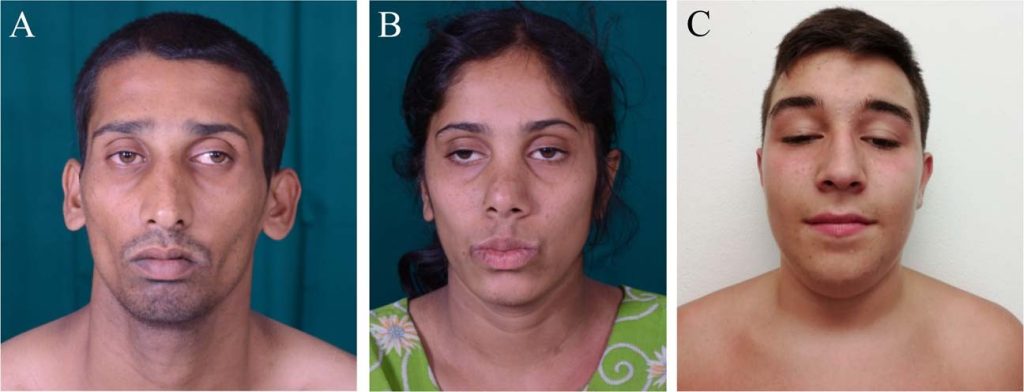
- Ptosis (drooping eyelids): One of the hallmark symptoms of CMS, ptosis occurs because the muscles responsible for keeping the eyelids open are weak.
- Difficulty swallowing (dysphagia): Weakness in the muscles used for swallowing can lead to difficulty eating and a risk of choking.
- Respiratory issues: In more severe cases, weakness in respiratory muscles can lead to difficulty breathing and respiratory failure.
- Exercise intolerance: People with CMS may tire easily after physical exertion and experience worsened weakness.
- Skeletal deformities: In some cases, individuals with CMS may experience joint contractures (tightness or stiffness in the joints) or skeletal deformities due to muscle weakness.
- Speech and facial muscle weakness: Difficulty with speaking and facial expressions can occur, especially in severe cases.
The severity of the symptoms can vary widely. Some people may have only mild muscle weakness, while others may experience life-threatening respiratory difficulties or cardiac problems.
How is Congenital Myasthenic Syndrome Diagnosed?
Diagnosis of Congenital Myasthenic Syndrome typically involves a combination of clinical evaluation, genetic testing, and specialized tests of muscle function. Steps involved in diagnosis include:
- Physical examination: A healthcare provider will assess the symptoms of muscle weakness, ptosis, and difficulty with movement, swallowing, and breathing.
- Electromyography (EMG): This test measures the electrical activity of muscles and can help determine how well the muscles are responding to nerve signals.
- Genetic testing: To confirm the diagnosis of CMS, genetic testing can identify mutations in specific genes that are known to cause the condition.
- Blood tests: Blood tests may be conducted to rule out other potential causes of muscle weakness or to check for elevated levels of certain enzymes that indicate muscle damage.
- Muscle biopsy: In some cases, a muscle biopsy may be taken to examine the muscle tissue and assess the function of the neuromuscular junction.
A diagnosis of CMS is often confirmed by a pediatric neurologist or geneticist after evaluating the individual’s medical history and symptoms.
How is Congenital Myasthenic Syndrome Treated?
While there is no cure for Congenital Myasthenic Syndrome, treatment focuses on managing symptoms and improving quality of life. Treatment options can include:
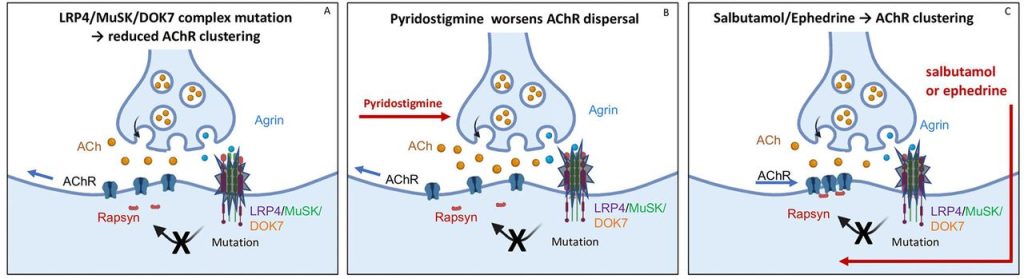
- Medications: The primary medications used to treat CMS are acetylcholinesterase inhibitors, such as pyridostigmine. These medications work by increasing the amount of acetylcholine available at the neuromuscular junction, which can help improve muscle strength.
- Supportive care: Individuals with CMS may require supportive care to address specific symptoms. This could include speech therapy for difficulty swallowing and speaking, as well as physical therapy to improve muscle strength and mobility.
- Ventilatory support: In severe cases, people with CMS may require ventilatory support (such as a ventilator or bilevel positive airway pressure or BIPAP) to assist with breathing, especially during respiratory failure.
- Surgical interventions: If necessary, surgical treatments may be recommended, such as the use of a feeding tube for individuals with severe difficulty swallowing, or corrective surgeries for skeletal deformities or contractures.
- Regular monitoring: CMS requires long-term monitoring by a neurologist or pediatrician to ensure that the treatment plan is working effectively and to address any evolving symptoms.
- Genetic counseling: For families with a history of CMS, genetic counseling may be helpful to understand the inheritance patterns of the disorder and to make informed decisions about future pregnancies.
What is the Outlook for People with Congenital Myasthenic Syndrome?
The outlook for individuals with Congenital Myasthenic Syndrome can vary depending on the specific genetic mutation and the severity of the condition. Some individuals with CMS may experience only mild symptoms and live relatively normal lives with treatment. Others, particularly those with severe symptoms affecting breathing and swallowing, may face more significant health challenges.
With early diagnosis and appropriate management, the prognosis for individuals with CMS has improved significantly. Most people with CMS can lead active lives, though they may need ongoing treatment and monitoring to manage their symptoms.
Can Congenital Myasthenic Syndrome Be Prevented?
Since Congenital Myasthenic Syndrome is a genetic condition, it cannot be prevented. However, genetic counseling may be helpful for families with a history of CMS to understand the risk of passing the condition to future children. Prenatal genetic testing can sometimes identify the condition in utero, allowing for early interventions and planning.
Who is at Risk for Congenital Myasthenic Syndrome?
Congenital Myasthenic Syndrome is an inherited condition that occurs when both parents pass on a copy of a mutated gene. The condition is inherited in an autosomal recessive pattern, meaning that both parents must be carriers for the child to develop CMS. If both parents are carriers, there is a 25% chance that their child will inherit both copies of the mutated gene and develop CMS.