intraduction
Arrhythmia refers to an abnormal heart rhythm, where the heart beats too fast, too slow, or irregularly. It is a condition that affects the electrical system of the heart, leading to changes in the rate and rhythm of the heartbeat. Although some arrhythmias are harmless, others can be life-threatening and require prompt medical intervention. This article explores arrhythmia, its causes, symptoms, diagnosis, and available treatment options.
What is Arrhythmia?
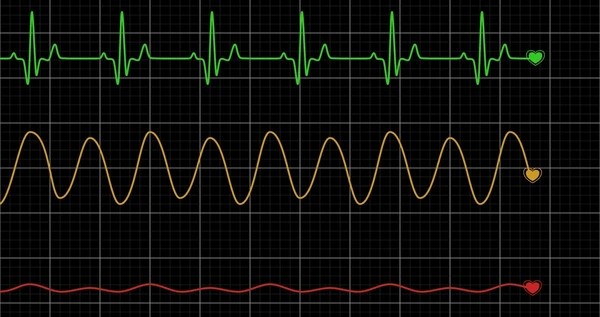
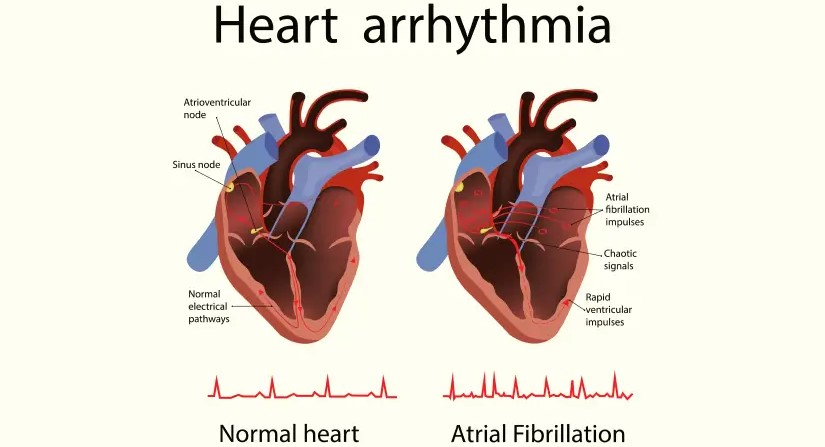
Arrhythmia occurs when the heart’s electrical impulses, which regulate the heart rate, do not function properly. The heart may beat too fast (tachycardia), too slow (bradycardia), or irregularly (fibrillation).
There are various types of arrhythmias, and they can be categorized based on where they originate in the heart (e.g., atrial, ventricular) and their speed or regularity (e.g., atrial fibrillation, ventricular tachycardia).
What Causes Arrhythmia?
Common Causes:
- Heart Disease: Conditions like coronary artery disease, heart failure, and heart valve issues can increase the risk of arrhythmias.
- High Blood Pressure: Chronic hypertension can lead to heart enlargement and affect the heart’s electrical pathways.
- Electrolyte Imbalance: Low levels of potassium, calcium, and magnesium can interfere with the heart’s electrical activity.
- Drugs and Medications: Certain medications, stimulants, or recreational drugs can trigger abnormal heart rhythms.
- Genetic Factors: Some people are genetically predisposed to arrhythmias, especially conditions like Long QT syndrome or Brugada syndrome.
- Stress or Anxiety: Stress or extreme emotions can sometimes trigger arrhythmias.
- Other Conditions: Thyroid disorders, sleep apnea, and diabetes can also increase the risk of arrhythmias.
What Are the Symptoms of Arrhythmia?
The symptoms of arrhythmia can vary widely depending on the type and severity of the condition. Some people with arrhythmia may not experience any symptoms, while others may have severe and noticeable symptoms.
Common Symptoms:
- Palpitations: A sensation of the heart pounding or fluttering in the chest.
- Shortness of Breath: Difficulty breathing or feeling breathless, especially during physical activity.
- Fatigue: A feeling of unusual tiredness, even after adequate rest.
- Dizziness or Lightheadedness: A sensation of spinning or feeling faint.
- Chest Pain or Discomfort: Pain or tightness in the chest, which may be a sign of a serious arrhythmia.
- Fainting or Near-Fainting: Syncope (fainting) can occur when the heart is unable to pump blood effectively due to abnormal rhythm.
What Are the Types of Arrhythmias?
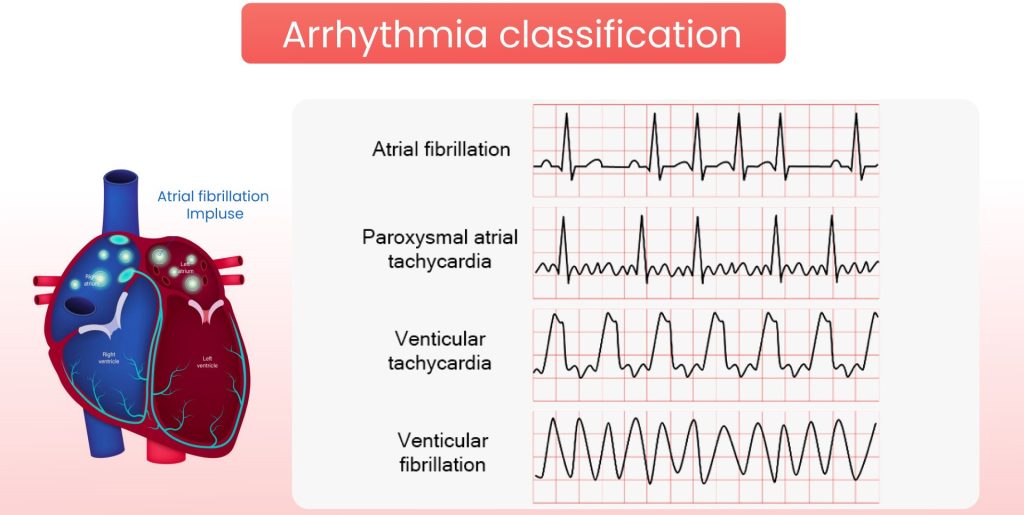
- Atrial Fibrillation (AFib): A common form of arrhythmia, where the heart’s upper chambers (atria) beat irregularly and rapidly.
- Ventricular Tachycardia (VT): A rapid heartbeat originating in the heart’s lower chambers (ventricles).
- Bradycardia: A slow heart rate, usually less than 60 beats per minute.
- Supraventricular Tachycardia (SVT): A fast heartbeat originating above the ventricles, typically in the atria or AV node.
- Premature Heartbeats: Early heartbeats that can occur in both the atria and ventricles.
How is Arrhythmia Diagnosed?
To diagnose arrhythmia, healthcare providers rely on several diagnostic tests to assess the heart’s rhythm and identify any abnormalities.
Common Tests and Procedures:
- Electrocardiogram (ECG or EKG): A test that records the electrical activity of the heart and can detect irregular rhythms, heart rate, and electrical abnormalities.
- Holter Monitor: A portable ECG device worn for 24-48 hours to monitor the heart’s activity over an extended period.
- Event Monitor: Similar to a Holter monitor, but worn for longer periods (weeks or months) to capture infrequent arrhythmias.
- Echocardiogram: A test that uses sound waves to create an image of the heart and evaluate its function and structure.
- Electrophysiology Study (EPS): A test where a catheter is inserted into the heart to study its electrical pathways and pinpoint the source of arrhythmias.
- Stress Test: A test that involves exercising on a treadmill or stationary bike while monitoring the heart’s activity, to assess how it responds under physical stress.
What are the Treatment Options for Arrhythmia?
The treatment for arrhythmia depends on the type, severity, and underlying causes of the condition. Treatment options range from lifestyle changes and medication to more invasive procedures.
Medications:
- Antiarrhythmic Drugs: These medications help control the heart’s rhythm and prevent abnormal beats.
- Beta-Blockers: These drugs slow down the heart rate and reduce the workload on the heart.
- Blood Thinners: If there is a risk of clot formation (e.g., in atrial fibrillation), blood thinners (anticoagulants) may be prescribed to reduce the risk of stroke.
- Calcium Channel Blockers: These medications help control heart rate and can be used to treat certain types of arrhythmias, such as SVT.
Procedures and Surgeries:
- Cardioversion: A procedure where electrical shocks are delivered to the heart to restore normal rhythm, usually used for atrial fibrillation or flutter.
- Catheter Ablation: A minimally invasive procedure that uses radiofrequency energy to destroy abnormal tissue in the heart that is causing arrhythmias.
- Pacemaker: A small device implanted under the skin that helps regulate a slow heart rate by sending electrical impulses to the heart.
- Implantable Cardioverter-Defibrillator (ICD): A device implanted to monitor the heart and deliver shocks if life-threatening arrhythmias (such as ventricular tachycardia) occur.
- Surgery: In some cases, surgery may be required to correct underlying heart problems that are causing arrhythmias, such as repairing heart valves.
Lifestyle Changes and Home Care:
- Avoid Stimulants: Limiting or avoiding caffeine, alcohol, and recreational drugs can help reduce the risk of arrhythmias.
- Stress Management: Practicing relaxation techniques such as yoga, meditation, or deep breathing can help reduce stress, which may trigger arrhythmias.
- Regular Exercise: Staying physically active can help maintain a healthy heart and reduce the risk of developing arrhythmias.
- Healthy Diet: A balanced diet rich in fruits, vegetables, whole grains, and lean proteins can help prevent heart disease and arrhythmias.
What is the Prognosis for Arrhythmia?
The prognosis for arrhythmia varies based on the type of arrhythmia and its underlying causes. Many arrhythmias are manageable with treatment, and with the right care, people can lead normal lives. However, some types of arrhythmia, such as ventricular fibrillation, can be life-threatening if not treated promptly.
Long-Term Management:
- Regular Monitoring: People with arrhythmias often need regular follow-up visits to monitor their condition and adjust treatment as needed.
- Living with Arrhythmia: Many people with arrhythmias can live full, active lives with appropriate treatment and lifestyle changes.