


What is Low Back Pain?
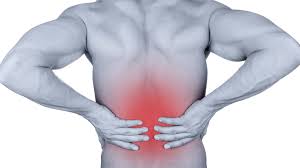
Low back pain (LBP) refers to discomfort, pain, or stiffness felt in the lower back, typically between the bottom of the rib cage and the top of the legs. It is one of the most common reasons for missed work and a leading cause of disability worldwide. The condition can range from mild and intermittent to severe and chronic, and it can significantly impact a person’s quality of life.
Types of Low Back Pain?
Low back pain can be categorized based on its duration and cause:
- Acute Low Back Pain: This type of pain lasts for less than 6 weeks. It is often caused by an injury or strain.
- Subacute Low Back Pain: Pain that lasts between 6 weeks and 3 months. It may result from a healing injury or a more complex cause.
- Chronic Low Back Pain: Pain that persists for more than 3 months, often due to long-term conditions like arthritis, spinal issues, or degenerative disc disease.
Causes of Low Back Pain?
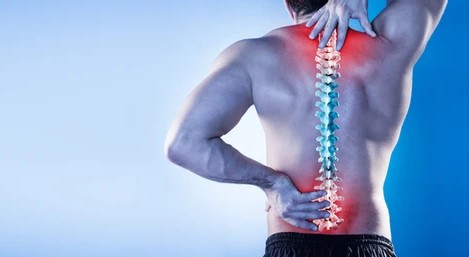
There are numerous potential causes of low back pain, ranging from simple muscle strain to complex conditions affecting the spine, nerves, and organs. The causes can be categorized as follows:
1. Musculoskeletal Causes
- Muscle Strain or Ligament Sprain: One of the most common causes of low back pain is overstretching or tearing of the muscles or ligaments in the lower back.
- Herniated Disc: Also known as a slipped disc, this occurs when the cushioning disc between the vertebrae of the spine ruptures and presses on nearby nerves, leading to pain.
- Degenerative Disc Disease: As people age, the discs between the vertebrae wear down, which can cause pain, stiffness, and nerve compression.
- Sciatica: Sciatica refers to pain that radiates from the lower back down one leg, caused by pressure on the sciatic nerve (often from a herniated disc or bone spurs).
- Spinal Stenosis: A narrowing of the spinal canal that can compress nerves, leading to pain in the lower back and legs.
- Spondylolisthesis: A condition where one vertebra slips forward over the one below it, often causing lower back pain.
2. Inflammatory Conditions
- Ankylosing Spondylitis: A type of arthritis that primarily affects the spine and leads to inflammation and pain, often starting in the lower back.
- Inflammatory Bowel Disease (IBD): Conditions like Crohn’s disease and ulcerative colitis can sometimes cause low back pain as a secondary symptom due to inflammation in the body.
3. Postural and Mechanical Issues
- Poor Posture: Prolonged periods of poor posture, such as sitting for extended hours without proper back support, can contribute to lower back pain.
- Overuse: Repetitive motions or activities that place stress on the back can lead to pain and discomfort. This is often seen in people who lift heavy objects incorrectly or perform physical labor.
4. Trauma or Injury
- Accidents or Falls: Sudden trauma to the back, such as from a car accident or a fall, can result in injury to the muscles, ligaments, discs, or even bones of the spine.
- Sports Injuries: High-impact sports or activities involving twisting, bending, or heavy lifting can contribute to low back pain.
5. Other Causes
- Osteoarthritis: Wear and tear on the cartilage in the joints of the spine can lead to pain and stiffness in the lower back.
- Kidney Infections or Stones: Pain originating from the kidneys, such as due to infection or kidney stones, can sometimes be felt in the lower back.
- Infections: Rarely, infections in the spine (such as osteomyelitis or discitis) can cause pain in the lower back.
- Tumors: Though uncommon, tumors in the spine or surrounding tissues can cause low back pain, especially if they compress nerves.
Symptoms of Low Back Pain?
Low back pain can present with various symptoms depending on the underlying cause, including:
- Pain in the lower back: May range from dull or achy to sharp and intense.
- Radiating pain: Pain may travel down the legs, especially in cases of sciatica, herniated discs, or spinal stenosis.
- Numbness or tingling: Often associated with nerve compression, particularly in conditions like sciatica or herniated discs.
- Muscle spasms: Tightness or cramps in the lower back muscles can occur, often following an injury or overuse.
- Stiffness: Limited range of motion, especially in the morning or after periods of inactivity.
- Difficulty walking or standing: In severe cases, pain may make it difficult to perform normal activities.
Risk Factors for Low Back Pain?
While anyone can develop low back pain, certain factors increase the likelihood of experiencing this condition, such as:
- Age: People between the ages of 30 and 60 are more likely to experience low back pain due to the natural aging process of the spine.
- Physical Inactivity: A sedentary lifestyle or lack of regular physical activity can weaken the muscles supporting the spine, increasing the risk of injury.
- Obesity: Carrying excess weight puts additional strain on the lower back.
- Occupation: Jobs that require heavy lifting, bending, or prolonged sitting can increase the risk of back pain.
- Poor Posture: Sitting or standing in improper positions for long periods can lead to muscle strain and back pain.
- Smoking: Smoking reduces blood flow to the spine, which can accelerate degenerative changes and contribute to pain.
Diagnosis of Low Back Pain?
Diagnosing low back pain typically involves the following steps:
- Medical History: The doctor will review the patient’s medical history and ask about lifestyle habits, recent injuries, and specific symptoms.
- Physical Examination: The doctor will assess posture, spinal alignment, reflexes, and range of motion to identify the potential cause of the pain.
- Imaging Studies: If needed, imaging tests like X-rays, MRI, or CT scans may be ordered to view the bones, discs, and soft tissues of the spine and detect abnormalities such as herniated discs, fractures, or spinal stenosis.
- Blood Tests: Blood tests may be conducted to check for underlying conditions such as infection or inflammatory diseases.
Treatment Options for Low Back Pain?
Treatment for low back pain depends on the severity and cause of the pain. Some common treatment options include:
1. Conservative Treatments
- Rest: Taking short periods of rest (no longer than 1-2 days) can help ease pain, but extended bed rest is usually not recommended.
- Physical Therapy: A physical therapist can guide exercises that strengthen the muscles supporting the spine and improve posture and flexibility.
- Hot or Cold Therapy: Applying heat or cold packs to the affected area can help reduce inflammation and soothe muscle spasms.
- Over-the-Counter Medications: Non-steroidal anti-inflammatory drugs (NSAIDs), such as ibuprofen or acetaminophen, can help reduce pain and inflammation.
2. Medical Interventions
- Prescription Medications: For more severe pain, stronger pain relievers or muscle relaxants may be prescribed.
- Epidural Steroid Injections: For conditions like herniated discs or spinal stenosis, corticosteroid injections into the epidural space around the spinal nerves can provide pain relief.
- Surgery: In cases of severe or persistent pain that does not respond to conservative treatments, surgery may be considered. Procedures like discectomy, spinal fusion, or laminectomy may be performed to correct structural issues in the spine.
3. Alternative Therapies
- Chiropractic Care: Chiropractic adjustments can help restore spinal alignment and alleviate pain in some cases.
- Acupuncture: Acupuncture may help reduce pain and improve function by stimulating certain points in the body.
- Massage Therapy: Therapeutic massage can help relax tense muscles and improve blood circulation to the affected area.
Prevention of Low Back Pain?
While not all cases of low back pain can be prevented, certain lifestyle changes and precautions can help reduce the risk:
- Regular Exercise: Engaging in low-impact exercises, such as swimming or walking, can strengthen the muscles supporting the spine and improve flexibility.
- Maintaining Proper Posture: Ensure correct posture while sitting, standing, and lifting heavy objects.
- Weight Management: Maintaining a healthy weight reduces strain on the back.
- Proper Lifting Techniques: Use your legs, not your back, when lifting heavy objects.
- Ergonomic Workspaces: Set up a workstation that encourages good posture, such as using a supportive chair and keeping your screen at eye level.
When to See a Doctor?
Seek medical attention if:
- The pain persists for more than a few weeks.
- You experience severe pain or an inability to move.
- The pain is accompanied by symptoms like weakness, numbness, or tingling in the legs.
- There is unexplained weight loss, fever, or changes in bladder or bowel control.
