


What is Juvenile Nasopharyngeal Angiofibroma?
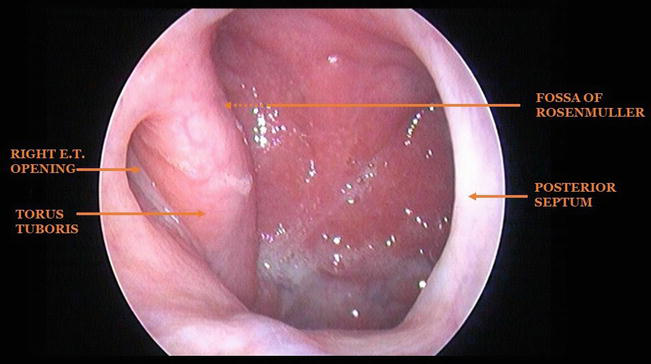
Juvenile Nasopharyngeal Angiofibroma (JNA) is a rare, benign (non-cancerous) tumor that occurs almost exclusively in adolescent males, typically between the ages of 10 and 25. It develops in the nasopharynx, the area behind the nose and above the back of the throat, and is known for being locally aggressive and highly vascular (rich in blood vessels).
Though it does not spread to other parts of the body, it can grow extensively and cause serious complications if left untreated.
What causes Juvenile Nasopharyngeal Angiofibroma?
The exact cause of JNA is not fully understood, but it is believed to be linked to hormonal changes during puberty, especially increased androgen levels. This could explain why the condition predominantly affects adolescent boys.
There is no known genetic or hereditary pattern, and it is considered a sporadic condition.
What are the symptoms?
Because of its location and vascular nature, JNA often presents with noticeable symptoms, including:
- Nasal obstruction (usually one-sided)
- Frequent, sometimes severe nosebleeds (epistaxis)
- Facial swelling or deformity
- Headaches
- Hearing loss (due to blockage of the Eustachian tube)
- Proptosis (bulging of the eye) if the tumor extends into the orbit
- Difficulty breathing or snoring
Symptoms can worsen over time as the tumor grows and may extend into adjacent structures such as the sinuses, orbit, or even cranial cavity.
How is Juvenile Nasopharyngeal Angiofibroma diagnosed?
Diagnosis involves a combination of clinical examination, imaging, and occasionally biopsy, though biopsies are generally avoided due to the risk of heavy bleeding.
Common diagnostic tools include:
- Nasal endoscopy – to visually inspect the tumor
- CT scan and MRI – to assess the tumor’s size, extent, and involvement of surrounding areas
- Angiography – to evaluate the blood supply to the tumor, especially before surgery

How is Juvenile Nasopharyngeal Angiofibroma treated?
The primary treatment for JNA is surgical removal. Because the tumor is highly vascular, pre-operative embolization (blocking the blood vessels supplying the tumor) is often performed 24–48 hours before surgery to reduce blood loss.
Treatment options include:
- Endoscopic surgery – commonly used for smaller or less invasive tumors
- Open surgery – may be necessary for larger tumors or those that have extended to difficult-to-reach areas
- Radiation therapy – reserved for recurrent or inoperable tumors
Regular follow-up and imaging are necessary to detect any recurrence, which occurs in about 10–30% of cases.
What is the prognosis for Juvenile Nasopharyngeal Angiofibroma?
With proper treatment, the prognosis is excellent. The tumor does not metastasize (spread to distant organs), and surgical removal is often curative. However, due to the tumor’s potential for recurrence, especially in the first few years post-surgery, ongoing monitoring is essential.
The long-term outcome is generally good, especially when the tumor is detected and treated early.
Key facts to remember
- Juvenile Nasopharyngeal Angiofibroma is a rare, benign tumor that affects adolescent males
- It causes nasal obstruction, heavy nosebleeds, and sometimes facial deformity
- Diagnosis is confirmed with imaging and nasal endoscopy
- Surgery is the main treatment, often preceded by embolization to reduce bleeding
- The condition is non-cancerous but can recur, so follow-up care is essential
- Early detection and complete removal offer the best outcome