


What is Toxic Optic Neuropathy?
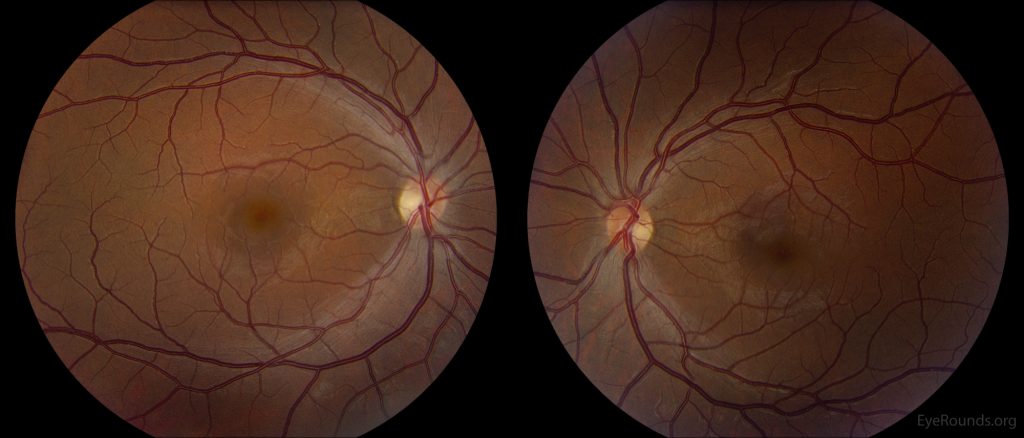
Toxic optic neuropathy is damage to the optic nerve caused by exposure to toxic substances, leading to vision problems. It affects the nerve responsible for transmitting visual information from the eyes to the brain.
What Causes Toxic Optic Neuropathy?
Common causes include:
- Exposure to certain medications like ethambutol, isoniazid, or chloramphenicol.
- Alcohol abuse and nutritional deficiencies (especially vitamin B12).
- Exposure to toxins such as methanol, lead, or industrial chemicals.
- Smoking combined with poor nutrition.
- Chronic exposure to toxins over time increases the risk.
What Are the Symptoms of Toxic Optic Neuropathy?
Symptoms typically develop gradually and may include:
- Blurred or decreased vision in one or both eyes.
- Loss of color vision or changes in color perception.
- Central vision loss or blind spots.
- Visual field defects.
- Eye pain is usually absent.
- Symptoms may progress if exposure continues.
How is Toxic Optic Neuropathy Diagnosed?
Diagnosis involves:
- Detailed history including exposure to toxins or medications.
- Comprehensive eye examination including visual acuity and color vision testing.
- Visual field tests to identify vision loss patterns.
- Imaging studies like MRI to rule out other causes.
- Blood tests to check for nutritional deficiencies and toxic levels.
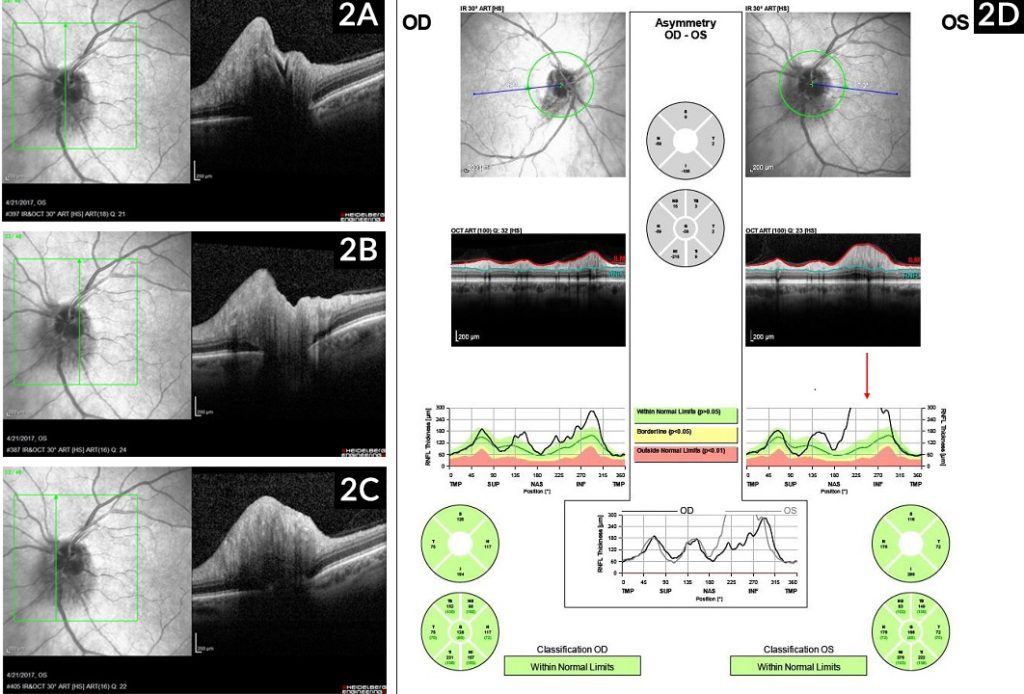
- Sometimes, nerve function tests like visual evoked potentials.
How is Toxic Optic Neuropathy Treated?
Treatment focuses on:
- Immediate cessation of the offending toxin or medication.
- Nutritional supplementation, especially vitamin B12 and folate.
- Managing underlying causes such as alcohol dependence.
- Close monitoring of vision and nerve function.
- In some cases, vision may improve if treated early; prolonged exposure can cause permanent damage.
Can Toxic Optic Neuropathy Be Prevented?
Prevention includes:
- Avoiding exposure to known toxins.
- Proper use and monitoring of medications known to affect the optic nerve.
- Maintaining a balanced diet with adequate vitamins.
- Avoiding excessive alcohol and smoking.
- Regular eye check-ups if on long-term medications that may affect vision.
When Should You See a Doctor?
Seek medical advice if you notice:
- Gradual or sudden vision changes.
- Difficulty distinguishing colors.
- Blind spots or loss of central vision.
- History of exposure to toxins or relevant medications.
- Persistent vision problems.
