


What Is Dysmenorrhea?
Dysmenorrhea refers to painful menstrual cramps that occur before or during menstruation. It is one of the most common gynecological complaints among women, ranging from mild discomfort to severe pain. These cramps can cause significant disruption to daily activities and may be accompanied by other symptoms like nausea, headaches, and fatigue.
There are two main types of dysmenorrhea: primary and secondary, each with different causes and characteristics.
What Causes Dysmenorrhea?
The causes of dysmenorrhea depend on whether it’s classified as primary or secondary:
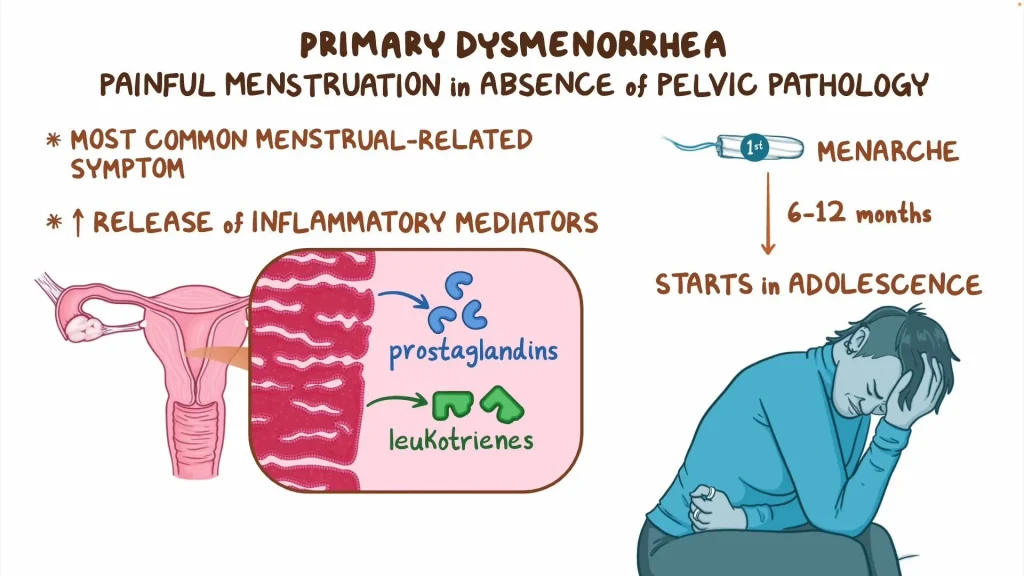
- Primary dysmenorrhea – This is the most common type, and it typically occurs without any underlying medical condition. It is linked to the release of prostaglandins, hormone-like substances that cause the uterus to contract and shed its lining. The higher the levels of prostaglandins, the stronger and more painful the cramps.
- Secondary dysmenorrhea – This type is often caused by an underlying medical condition, such as:
- Endometriosis – When tissue similar to the uterine lining grows outside the uterus, causing inflammation and pain.
- Uterine fibroids – Non-cancerous growths in the uterus that can cause pain and heavy menstrual bleeding.
- Pelvic inflammatory disease (PID) – An infection of the reproductive organs.
- Adenomyosis – When the inner lining of the uterus grows into the muscular wall of the uterus.
What Are the Symptoms of Dysmenorrhea?
The primary symptom of dysmenorrhea is pain, which can vary in intensity and duration. Other common symptoms include:
- Cramping pain – Usually starts in the lower abdomen or pelvic area and can radiate to the lower back or thighs.
- Nausea and vomiting – Often associated with severe pain.
- Headaches – May occur alongside menstrual cramps.
- Fatigue – Feeling unusually tired or weak during menstruation.
- Diarrhea or constipation – Some women experience changes in bowel movements during menstruation due to hormonal changes.
In the case of secondary dysmenorrhea, the pain is often more persistent and lasts longer than primary dysmenorrhea.
How Is Dysmenorrhea Diagnosed?
Diagnosis of dysmenorrhea typically involves:
- Medical history – Your doctor will ask about your menstrual cycle, symptoms, and any relevant health conditions.
- Physical examination – To check for signs of conditions like fibroids or pelvic infections.
- Ultrasound or MRI – These imaging tests may be used to look for underlying issues like fibroids or endometriosis.
- Laparoscopy – A surgical procedure to view the pelvic organs if endometriosis or other conditions are suspected.
In most cases, primary dysmenorrhea is diagnosed based on symptoms and a physical examination.

What Treatments Are Available for Dysmenorrhea?
Treatment for dysmenorrhea aims to reduce pain and manage symptoms. Options include:
- Over-the-counter pain relief – Nonsteroidal anti-inflammatory drugs (NSAIDs) like ibuprofen are often effective for relieving pain and reducing inflammation.
- Hormonal contraceptives – Birth control pills, patches, or IUDs can help regulate the menstrual cycle and reduce the severity of cramps.
- Heat therapy – Applying a heating pad or hot water bottle to the abdomen can help relax the muscles and alleviate pain.
- Exercise – Regular physical activity may reduce the intensity of menstrual cramps by improving circulation and reducing stress.
- Dietary changes – Eating a balanced diet rich in fruits, vegetables, and whole grains may help reduce inflammation and pain.
- Alternative therapies – Acupuncture, herbal remedies, or mindfulness techniques like yoga and meditation may provide relief for some women.
For secondary dysmenorrhea, addressing the underlying condition (e.g., surgery for fibroids or medication for endometriosis) is often necessary to alleviate the pain.
Can Dysmenorrhea Be Prevented?
While dysmenorrhea can’t always be prevented, there are steps that may help reduce the frequency or severity of cramps:
- Regular exercise – Keeping active can help improve circulation and reduce the severity of cramps.
- Balanced diet – Eating a diet rich in magnesium, calcium, and omega-3 fatty acids may help reduce menstrual pain.
- Stress management – Reducing stress through relaxation techniques like yoga, meditation, or deep breathing exercises can help manage menstrual discomfort.
- Proper sleep – Getting enough rest is important to support overall health and manage symptoms during menstruation.
If dysmenorrhea is linked to an underlying condition, early treatment and medical intervention can help prevent or reduce symptoms.