What Are Fibrocystic Breast Changes?
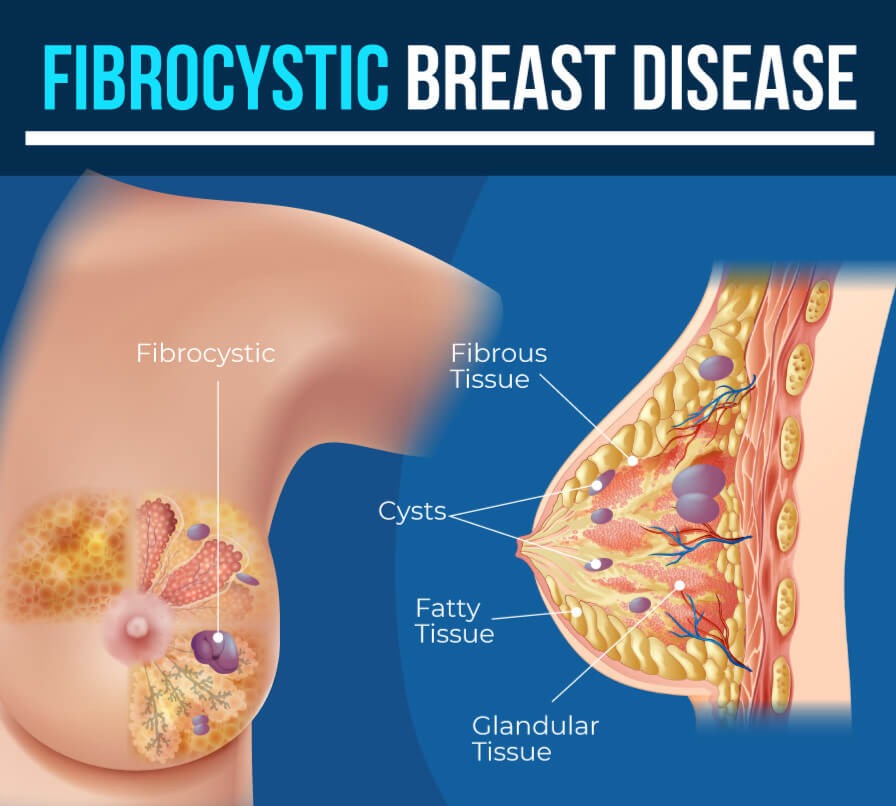
Fibrocystic breast changes refer to non-cancerous (benign) changes in breast tissue that cause lumps, tenderness, and swelling. It’s a very common condition, especially in women between the ages of 20 and 50. Despite the word “changes,” this is not a disease but rather a natural variation in breast tissue.
Are Fibrocystic Breast Changes Normal?
Yes. In fact, many women experience these changes at some point. They are considered a normal response to fluctuating hormone levels during the menstrual cycle.
What Are the Symptoms?
Symptoms may vary but often include:
- Lumpy or rope-like breast texture
- Breast tenderness or pain (especially before menstruation)
- Swelling in one or both breasts
- A feeling of fullness or heaviness
- Fluctuating lump size throughout the cycle
- Nipple discharge (not bloody)
Symptoms often improve after menopause unless hormone replacement therapy is used.
What Causes Fibrocystic Breast Changes?
These changes are linked to the hormonal shifts of the menstrual cycle. Estrogen and progesterone can cause the breast ducts and lobules to enlarge and lead to the formation of fluid-filled cysts and fibrous tissue.
Other possible contributing factors include:
- High caffeine intake (may worsen symptoms in some women)
- Stress
- Diet lacking in essential fatty acids or vitamins
Who Is Most at Risk?
Fibrocystic breast changes are more common in:
- Women aged 20 to 50
- Those with a family history of breast issues
- Women with high estrogen levels
- People who consume a lot of caffeine
- Individuals using hormone therapy
How Are Fibrocystic Breast Changes Diagnosed?
Diagnosis is typically based on physical examination and medical history. Additional tests may include:
- Breast exam: A doctor checks for lumps or unusual tissue.
- Mammogram: An X-ray of the breast to detect dense or lumpy areas.
- Ultrasound: Used to distinguish between solid masses and fluid-filled cysts.
- Fine-needle aspiration: Removes fluid from a cyst for testing.
- Biopsy (if needed): Checks tissue for abnormal or cancerous cells.
Do Fibrocystic Changes Increase Breast Cancer Risk?
No direct link has been proven between fibrocystic breast changes and an increased risk of breast cancer. However, the presence of dense or lumpy tissue can make it harder to detect abnormalities on a mammogram, so regular screening is still important.
How Are Fibrocystic Breast Changes Treated?
Treatment focuses on relieving symptoms. Options include:
At-Home Care
- Wear a supportive bra to reduce pain
- Apply warm or cold compresses for comfort
- Reduce caffeine and high-fat foods
- Use over-the-counter pain relievers (like ibuprofen or acetaminophen)
Medical Treatments
- Oral contraceptives to regulate hormone levels
- Hormonal therapy in more severe cases
- Drainage of large, painful cysts
Dietary Adjustments
- Reduce salt intake before your period
- Eat more fruits, vegetables, and whole grains
- Consider evening primrose oil or vitamin E supplements (with doctor approval)
When Should You See a Doctor?
While fibrocystic changes are usually harmless, consult a healthcare provider if you notice:
- A new lump that doesn’t go away after your period
- Unusual or bloody nipple discharge
- Skin changes on the breast
- Persistent or worsening pain
- A lump that grows or feels hard