What is Relapsing Fever?
Relapsing Fever is an infectious disease caused by certain species of Borrelia bacteria. It is characterized by recurring episodes of high fever, headache, muscle and joint aches, and other systemic symptoms. The fever episodes typically last a few days and then improve, only to relapse again after several days. Relapsing Fever is transmitted to humans mainly through lice or tick bites, depending on the type.

What Causes Relapsing Fever?
Relapsing Fever is caused by infection with Borrelia bacteria. There are two main types:
- Louse-borne relapsing fever, caused by Borrelia recurrentis, transmitted by body lice
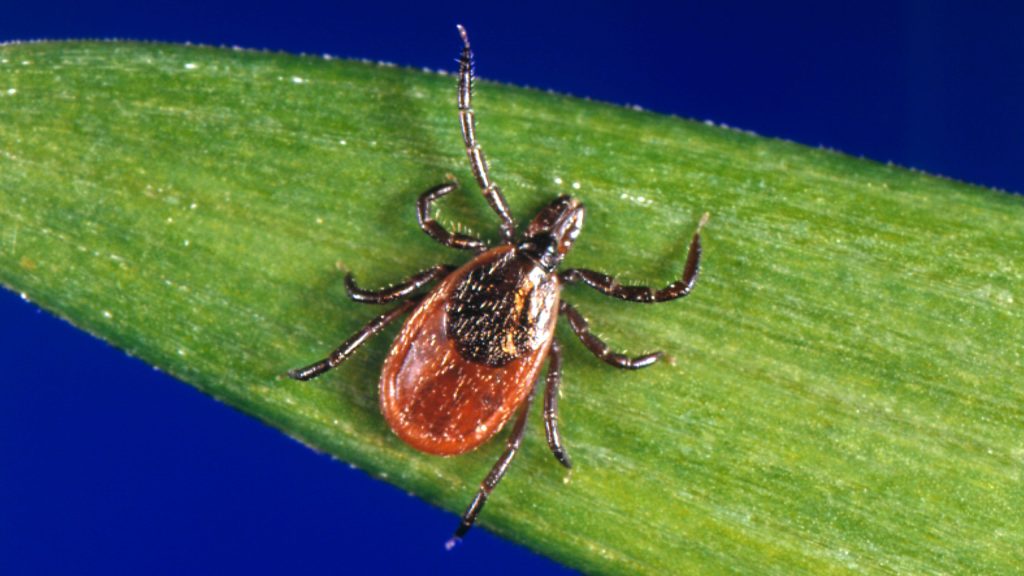
- Tick-borne relapsing fever, caused by various Borrelia species, transmitted by soft ticks
Risk factors include poor hygiene, overcrowded living conditions (for louse-borne), and exposure to tick habitats (for tick-borne).
What Are the Symptoms of Relapsing Fever?
Symptoms appear after an incubation period of about 2 to 15 days and typically include:
- Sudden onset of high fever, often over 39°C (102°F)
- Chills and sweating
- Headache and muscle aches (myalgia)
- Joint pain (arthralgia)
- Nausea, vomiting, and abdominal pain
- Enlarged lymph nodes, liver, or spleen
- Recurring episodes of fever lasting 3 to 7 days, followed by afebrile periods of about the same length before relapsing
- In severe cases, neurological symptoms, bleeding, or shock may occur
How Is Relapsing Fever Diagnosed?
Diagnosis is based on clinical symptoms and laboratory tests, including:
- Blood smear microscopy to detect Borrelia spirochetes during febrile episodes
- Serologic tests for antibodies against Borrelia
- PCR (polymerase chain reaction) tests to identify Borrelia DNA
- Patient history including exposure to lice or ticks, travel, and living conditions
What Are the Treatment Options for Relapsing Fever?
Relapsing Fever is treatable with antibiotics, including:
- Doxycycline or tetracycline for adults
- Erythromycin or penicillin alternatives for pregnant women and children
- Supportive care for fever and symptoms, such as fluids and pain relief
- Close monitoring for Jarisch-Herxheimer reaction, an inflammatory response that can occur shortly after starting antibiotics
Can Relapsing Fever Cause Complications?
If untreated or severe, complications may include:
- Severe dehydration due to high fever and sweating
- Shock or organ failure from systemic infection
- Neurological complications such as meningitis or encephalitis
- Pregnancy complications, including miscarriage or stillbirth
- Recurrences of fever until effective treatment is administered