


What is Hemolytic-Uremic Syndrome?
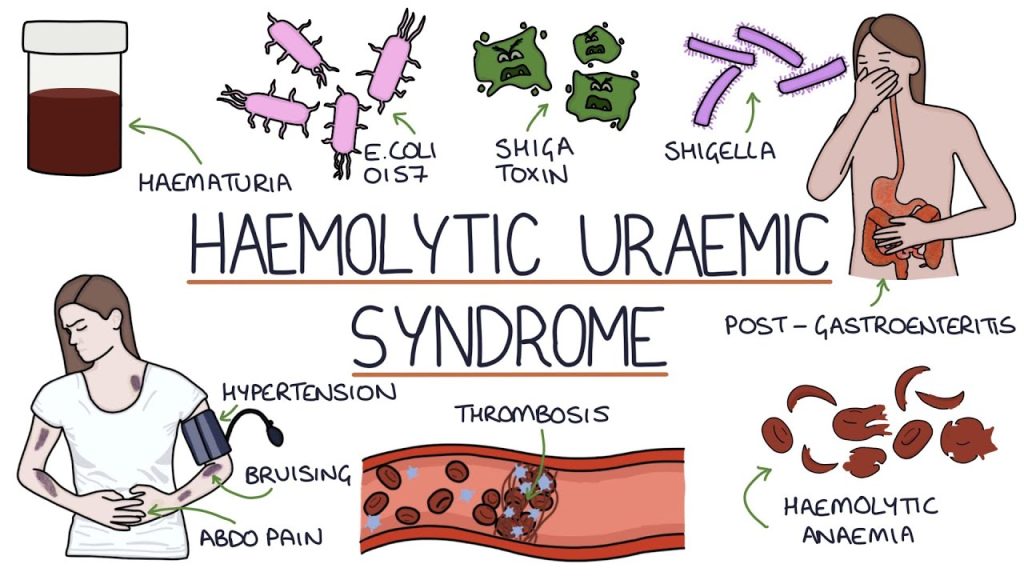
Hemolytic-uremic syndrome (HUS) is a serious condition that primarily affects the blood and kidneys. It is most commonly seen in young children and often follows a gastrointestinal infection, especially from certain strains of Escherichia coli (E. coli). HUS is characterized by three main features:
- Hemolytic anemia – destruction of red blood cells
- Thrombocytopenia – low platelet count
- Acute kidney injury – sudden loss of kidney function
HUS can range from mild to life-threatening and requires prompt medical attention.
What Causes Hemolytic-Uremic Syndrome?
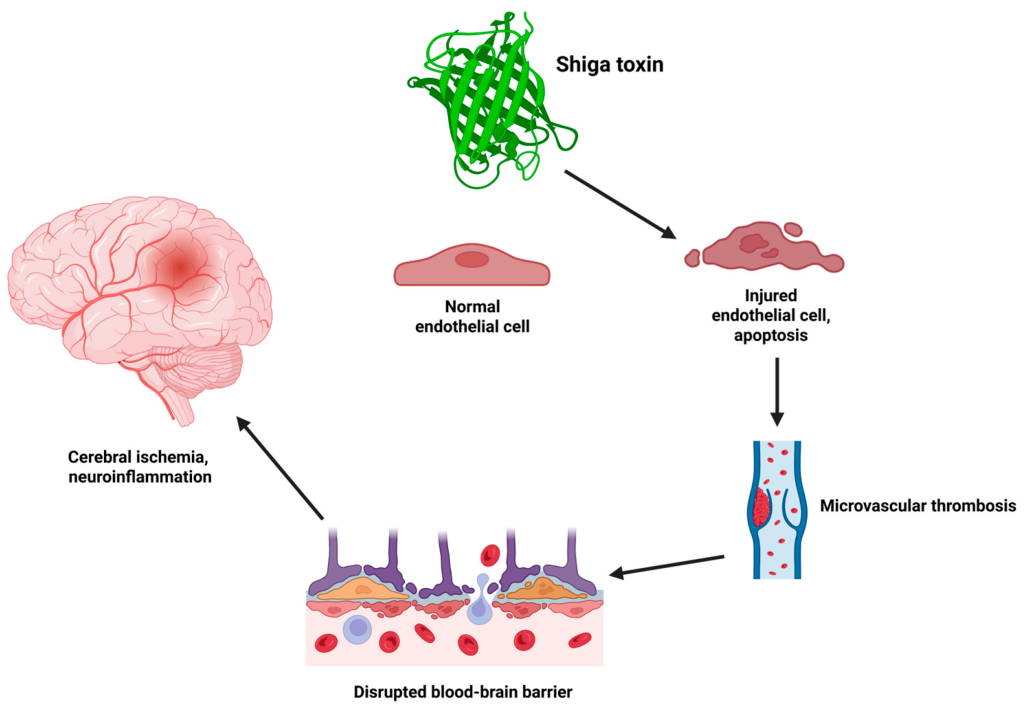
The most common cause of HUS is an infection with Shiga toxin-producing E. coli (STEC), particularly the strain E. coli O157:H7. After ingestion, the bacteria produce toxins that damage blood vessels, especially in the kidneys.
Other, less common causes include:
- Pneumococcal infections
- Genetic mutations (atypical HUS)
- Certain medications (e.g., chemotherapy)
- Autoimmune conditions
HUS not caused by E. coli is called atypical HUS (aHUS) and may be linked to problems in the immune system.
What Are the Symptoms?
HUS often begins with symptoms of a gastrointestinal illness, such as:
- Diarrhea, which may be bloody
- Stomach cramps
- Vomiting
- Fever
A few days later, symptoms of HUS itself may develop, including:
- Pale skin or fatigue (due to anemia)
- Unusual bruising or bleeding (due to low platelets)
- Decreased urination or dark-colored urine (due to kidney damage)
- Swelling in the face, hands, or feet
- High blood pressure
In severe cases, it may cause confusion, seizures, or other nervous system complications.
How Is It Diagnosed?
Doctors diagnose HUS through a combination of:
- Blood tests – to check for signs of anemia, low platelets, and kidney function
- Urine tests – to detect blood, protein, or decreased output
- Stool tests – to identify Shiga toxin-producing E. coli
- Kidney function tests – including creatinine and blood urea nitrogen (BUN) levels
Early diagnosis is critical to managing symptoms and preventing complications.
What Is the Treatment?
There is no specific cure for HUS caused by E. coli; treatment is mainly supportive and may include:
- Hospitalization – often required, especially for children
- IV fluids – to prevent dehydration and support kidney function
- Blood transfusions – for severe anemia or low platelets
- Dialysis – if kidneys stop functioning properly
- Medications – to control blood pressure or prevent clotting
In atypical HUS, treatment may involve:
- Plasma exchange
- Immunosuppressive therapy
- Eculizumab – a targeted drug for certain forms of atypical HUS
Antibiotics are not recommended for STEC-HUS, as they may increase toxin release and worsen the condition.
Are There Any Complications?
Without prompt treatment, HUS can lead to:
- Chronic kidney disease
- High blood pressure
- Neurological problems
- Heart complications
- Death (in severe or untreated cases)
However, with early and effective treatment, many children and adults recover fully.
What Is the Outlook?
The outlook depends on the severity and cause of HUS:
- Typical (STEC) HUS in children often has a good prognosis with proper care.
- Atypical HUS has a higher risk of recurrence and long-term complications, but targeted treatments can improve outcomes.
- Early medical intervention improves the chances of full recovery significantly.
