


What Is Infectious Diarrhea?
Infectious diarrhea is a condition where a person experiences frequent, loose, or watery bowel movements due to an infection in the intestines. It’s most often caused by bacteria, viruses, or parasites and can range from mild to life-threatening depending on the severity and the patient’s health.
It is one of the most common causes of illness worldwide, especially in areas with poor sanitation or contaminated food and water.
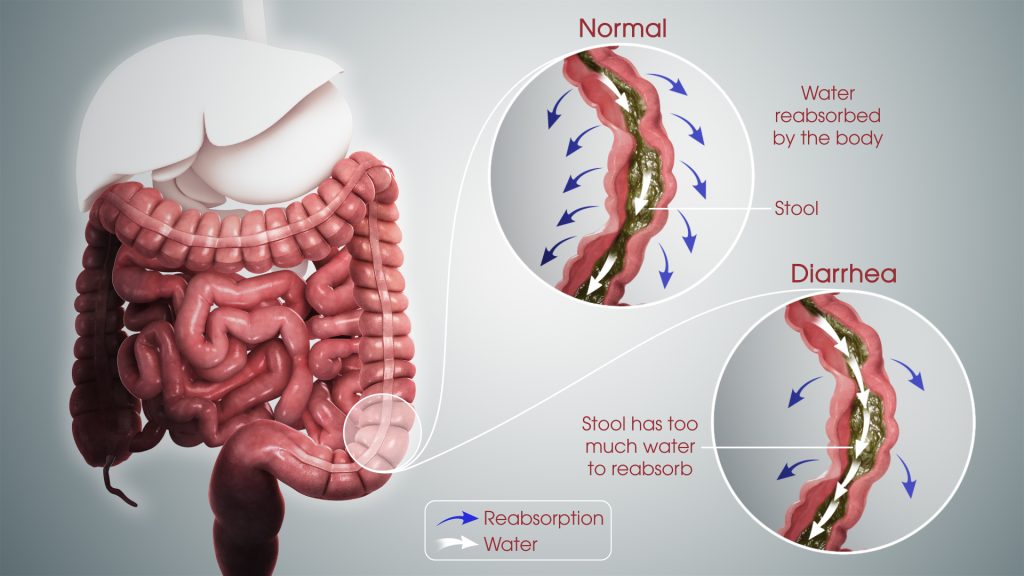
What Causes Infectious Diarrhea?
Infectious diarrhea occurs when harmful microorganisms enter the gastrointestinal tract. The most common causes include:
Bacteria:
- Escherichia coli (E. coli)
- Salmonella
- Shigella
- Campylobacter
- Clostridioides difficile (C. diff) – often after antibiotic use
Viruses:
- Norovirus (common in outbreaks on cruise ships, schools, etc.)
- Rotavirus (especially in infants and children)
- Adenovirus
Parasites:
- Giardia lamblia
- Entamoeba histolytica
- Cryptosporidium
These organisms are usually spread through contaminated food or water, poor hygiene, or contact with an infected person.
What Are the Symptoms of Infectious Diarrhea?
Symptoms may appear suddenly and vary depending on the cause, but commonly include:
- Frequent, loose, or watery stools
- Abdominal cramps or pain
- Nausea and vomiting
- Fever
- Bloating
- Fatigue
- Blood or mucus in the stool (especially with bacterial causes)
- Dehydration – signs include dry mouth, dizziness, and reduced urination
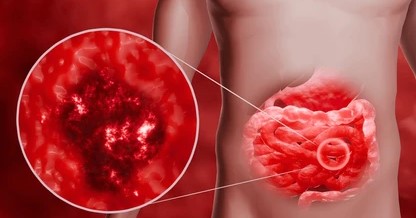
Who Is at Risk?
While anyone can get infectious diarrhea, certain groups are at higher risk:
- Young children and infants
- Elderly adults
- People with weakened immune systems
- Travelers to developing countries (Traveler’s diarrhea)
- People in group settings like daycare, nursing homes, or cruise ships
How Is Infectious Diarrhea Diagnosed?
Diagnosis typically involves:
- Stool tests to detect bacteria, viruses, or parasites
- Blood tests in severe or prolonged cases
- Medical history and recent travel or food exposure
- Sometimes, sigmoidoscopy or colonoscopy if symptoms persist or worsen
How Is Infectious Diarrhea Treated?
Treatment depends on the cause:
General Measures:
- Hydration is key – use oral rehydration solutions (ORS)
- Electrolyte replacement for moderate to severe dehydration
- Bland diet (e.g., BRAT: bananas, rice, applesauce, toast)
- Rest
Specific Treatments:
- Bacterial infections: Some may need antibiotics, but many resolve on their own
- C. difficile: Requires specific antibiotics
- Viral infections: Usually resolve with supportive care
- Parasitic infections: Treated with antiparasitic medications
Note: Over-the-counter anti-diarrheal medications (like loperamide) should be used cautiously and only under medical advice, especially if there is fever or blood in the stool.
Can Infectious Diarrhea Be Prevented?
Yes, prevention focuses on hygiene and food safety:
- Wash hands with soap and water, especially before eating or after using the bathroom
- Drink safe, clean water
- Avoid raw or undercooked meat, seafood, and unpasteurized dairy
- Wash fruits and vegetables thoroughly
- Avoid street food or tap water when traveling
- Use hand sanitizer when soap and water aren’t available
Vaccination (e.g., rotavirus vaccine) is available for some forms of viral diarrhea in children.
When Should You See a Doctor?
Seek medical attention if you experience:
- Diarrhea lasting more than 2–3 days
- Blood or pus in the stool
- Severe abdominal pain
- High fever
- Signs of dehydration
- Recent travel with persistent symptoms
- Diarrhea after taking antibiotics (possible C. diff)