


What is Jansky–Bielschowsky Disease?
Jansky–Bielschowsky Disease is a rare and severe neurodegenerative disorder that primarily affects children. It is a form of neuronal ceroid lipofuscinosis (NCL), specifically the late-infantile type, and is sometimes referred to as CLN2 disease. The condition causes progressive damage to the nervous system, leading to loss of motor and cognitive abilities, seizures, and early death.
What causes Jansky–Bielschowsky Disease?
This disease is caused by mutations in the TPP1 gene, which provides instructions for making an enzyme that breaks down certain waste materials in the body. When this enzyme is missing or not working properly, waste products build up in the brain and other tissues, leading to the destruction of neurons.
Jansky–Bielschowsky Disease is inherited in an autosomal recessive pattern, meaning a child must inherit a defective gene from both parents to develop the disease.
What are the symptoms?
Symptoms usually begin between ages 2 and 4 and progress rapidly. They may include:
- Seizures (often the first noticeable symptom)
- Developmental regression (loss of motor skills and language)
- Muscle stiffness or rigidity
- Uncoordinated movement (ataxia)
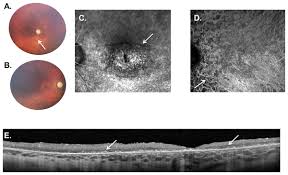
- Vision loss, which can progress to blindness
- Swallowing difficulties
- Cognitive decline and dementia
- Complete loss of mobility and communication skills over time
As the disease progresses, children may become completely dependent on caregivers and often do not survive beyond their teenage years.

How is Jansky–Bielschowsky Disease diagnosed?
Diagnosis is based on a combination of:
- Clinical evaluation of symptoms and developmental history
- Electroencephalogram (EEG) to assess brain activity
- MRI scans to detect brain shrinkage or abnormalities
- Enzyme activity tests to measure TPP1 enzyme function
- Genetic testing to confirm mutations in the TPP1 gene
- Skin or tissue biopsy in some cases to detect storage material in cells
How is it treated?
There is no cure for Jansky–Bielschowsky Disease, but treatment can help manage symptoms and slightly slow progression:
- Enzyme replacement therapy (ERT) using cerliponase alfa (Brineura), which may delay loss of walking ability in some children
- Anticonvulsants to control seizures
- Physical and occupational therapy to maintain mobility for as long as possible
- Nutritional support to manage feeding difficulties
- Palliative care to provide comfort and improve quality of life
Families may also benefit from genetic counseling and support networks.
What is the outlook for someone with Jansky–Bielschowsky Disease?
Unfortunately, the prognosis is poor. The condition progresses rapidly, and most affected children lose all functional abilities within a few years of onset. Death typically occurs in late childhood or early adolescence, usually due to complications such as infections or respiratory failure. However, advances in enzyme replacement therapy may improve outcomes for some children diagnosed early.
Key facts to remember
- Rare, inherited neurodegenerative disorder
- A type of late-infantile neuronal ceroid lipofuscinosis (CLN2)
- Caused by mutations in the TPP1 gene
- Leads to seizures, developmental regression, and vision loss
- No cure, but enzyme therapy and symptom management may help