What is Obesity?
Obesity is a medical condition characterized by excessive body fat that may negatively affect health. It is typically diagnosed when an individual’s body mass index (BMI) is 30 or higher. Obesity increases the risk of developing a variety of serious health problems, such as heart disease, diabetes, and certain cancers. It is a complex condition influenced by a combination of genetic, environmental, and lifestyle factors.
Causes of Obesity?

Obesity occurs when there is an imbalance between the number of calories consumed and the number of calories expended by the body. Several factors contribute to this imbalance, including:
- Genetics: Some individuals are genetically predisposed to obesity due to factors that affect metabolism, fat storage, and hunger regulation.
- Poor Diet: Consuming high-calorie foods, particularly those rich in fats and sugars, can lead to weight gain over time. Overeating and consuming large portion sizes also contribute to obesity.
- Physical Inactivity: A sedentary lifestyle, including limited physical activity and prolonged sitting, significantly contributes to weight gain.
- Environmental Factors: Living in an environment where unhealthy food is easily accessible and opportunities for physical activity are limited can increase the risk of obesity.
- Psychological Factors: Emotional factors such as stress, depression, and certain eating habits (e.g., overeating as a coping mechanism) can lead to overeating and weight gain.
- Medical Conditions: Certain conditions, such as hypothyroidism and polycystic ovary syndrome (PCOS), can make it easier to gain weight and harder to lose it.
- Medications: Some medications, including antidepressants, corticosteroids, and insulin, may contribute to weight gain.
Who is at Risk?
Certain groups are more likely to develop obesity:
- Individuals with poor dietary habits: People who regularly consume high-calorie, low-nutrient foods are at higher risk.
- Sedentary individuals: Lack of physical activity plays a significant role in weight gain.
- Those with a family history of obesity: Genetics can increase the likelihood of obesity, particularly if parents or siblings are obese.
- Older adults: As people age, their metabolism tends to slow down, and they may experience a reduction in muscle mass, which can contribute to weight gain.
- Children and adolescents: Early obesity can lead to long-term health issues, and childhood obesity has been increasing due to poor eating habits and inactivity.
Symptoms of Obesity?
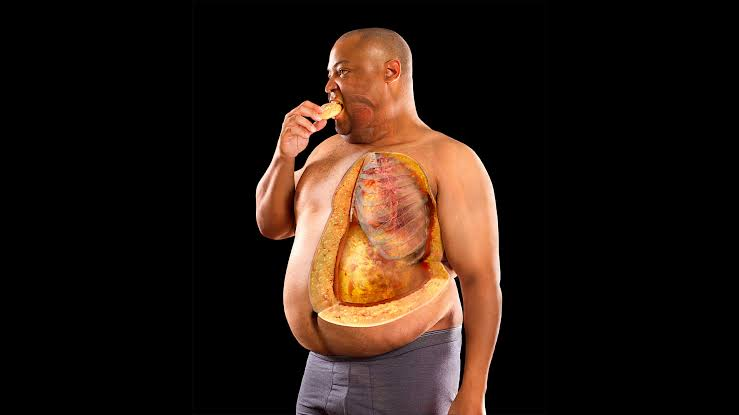
Obesity may not always show obvious symptoms, but it often comes with the following signs:
- Increased body fat: A noticeable increase in body size, particularly around the abdomen, thighs, and hips.
- Breathing difficulties: Difficulty breathing during physical activity or when lying down, which may signal excess weight on the chest or abdomen.
- Joint pain: Extra body weight places stress on the joints, leading to pain, especially in the knees, hips, and lower back.
- Sleep apnea: Obesity can increase the risk of obstructive sleep apnea, a condition where breathing stops temporarily during sleep.
- Fatigue: Excess weight can lead to tiredness due to reduced physical activity or the body’s effort to support the additional weight.
Health Risks Associated with Obesity?
Obesity increases the risk of developing several serious health problems, including:
- Heart Disease: Obesity is a major risk factor for heart disease due to its effects on blood pressure, cholesterol levels, and blood sugar.
- Type 2 Diabetes: Being obese increases insulin resistance, which can lead to type 2 diabetes.
- Stroke: Obesity increases the risk of stroke due to its effects on blood pressure and cholesterol levels.
- Certain Cancers: Obesity has been linked to increased risk of cancers such as breast, colorectal, endometrial, and kidney cancer.
- Osteoarthritis: The additional weight places stress on the joints, leading to wear and tear, particularly in the knees and hips.
- Sleep Apnea: Excess weight, especially around the neck and throat, can contribute to breathing problems during sleep.
Diagnosis of Obesity?
Obesity is typically diagnosed using the Body Mass Index (BMI), which is a calculation based on height and weight:
- BMI of 30 or higher is classified as obese.
BMI categories:
- Underweight: BMI less than 18.5
- Normal weight: BMI 18.5 to 24.9
- Overweight: BMI 25 to 29.9
- Obesity: BMI of 30 or higher
In addition to BMI, a doctor may assess waist circumference and evaluate other health factors, such as blood pressure, cholesterol levels, and blood sugar, to assess the risk of obesity-related complications
Treatment of Obesity?

Managing obesity typically requires a combination of lifestyle changes and, in some cases, medical or surgical interventions. Common treatment strategies include:
- Dietary Changes:
- Adopting a balanced, calorie-controlled diet rich in fruits, vegetables, whole grains, and lean proteins.
- Limiting processed foods, sugary beverages, and high-calorie snacks.
- Portion control and mindful eating.
- Physical Activity:
- Regular exercise (at least 150 minutes of moderate-intensity activity per week) can help with weight loss and improve overall health.
- Incorporating strength training to build muscle mass and increase metabolism.
- Behavioral Therapy:
- Working with a therapist or counselor to address emotional eating and develop healthier eating habits.
- Medications:
- In some cases, doctors may prescribe weight-loss medications to help with appetite control or fat absorption. These are typically used in combination with diet and exercise.
- Bariatric Surgery:
- For individuals with severe obesity, surgical options such as gastric bypass or gastric sleeve may be considered if other methods have not been effective.
Prevention of Obesity?
Preventing obesity involves lifestyle changes that promote a healthy weight:
- Adopt a healthy, balanced diet with appropriate portion sizes.
- Engage in regular physical activity, aiming for at least 30 minutes of moderate-intensity exercise most days of the week.
- Avoid sedentary behaviors, such as excessive screen time and sitting.
- Encourage healthy habits in children, including regular activity and nutritious food choices.
When to See a Doctor?
Consult a healthcare provider if you:
- Are concerned about your weight or BMI.
- Have developed health issues related to obesity, such as high blood pressure or diabetes.
- Struggle to lose weight despite lifestyle changes.
- Have been diagnosed with obesity-related complications.