What is a Juvenile Granulosa Cell Tumor?
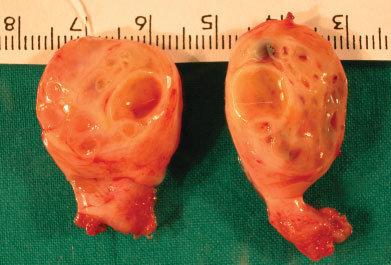
A Juvenile Granulosa Cell Tumor (JGCT) is a rare type of ovarian tumor that arises from the granulosa cells, which are involved in the production of estrogen in the ovaries. This tumor most commonly affects infants, children, and adolescents, distinguishing it from the adult form of granulosa cell tumors.
JGCT is typically low-grade and slow-growing, and although it is generally not aggressive, early diagnosis and proper treatment are essential for the best outcomes.
What causes Juvenile Granulosa Cell Tumor?
The exact cause of JGCT is not well understood, but some factors that may be involved include:
- Genetic mutations – particularly in the FOXL2 gene (more common in adult type but may be seen in some juvenile cases)
- Hormonal factors – since these tumors produce estrogen, hormonal imbalances may play a role
- Congenital conditions – such as Turner syndrome or other gonadal dysgenesis disorders, which may increase the risk
Most cases are sporadic, meaning they occur without a clear inherited pattern.
What are the symptoms?
Because JGCT produces estrogen, symptoms are often related to hormonal effects. These can include:
- Early puberty (precocious puberty) in young girls
- Breast development
- Enlarged uterus or ovaries
- Vaginal bleeding in prepubertal girls
- Abdominal or pelvic pain
- Abdominal distension or a noticeable mass
- Irregular or absent menstruation in adolescents
In some cases, the tumor is found incidentally during imaging for unrelated issues.
How is Juvenile Granulosa Cell Tumor diagnosed?
Diagnosis involves a combination of clinical evaluation, imaging, and laboratory tests, including:
- Pelvic ultrasound – to identify an ovarian mass
- MRI or CT scan – for detailed tumor assessment and staging
- Hormone blood tests – especially estradiol and inhibin levels
- Tumor markers – such as inhibin A and B, which are often elevated
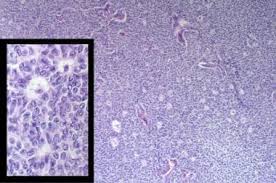
- Surgical biopsy or tumor removal – followed by histopathology to confirm diagnosis
The tumor is staged during surgery to determine if it has spread.
How is Juvenile Granulosa Cell Tumor treated?
Treatment usually involves:
- Surgical removal of the tumor – the primary and often curative treatment
- Unilateral salpingo-oophorectomy (removal of one ovary and fallopian tube) is commonly performed, especially in young girls to preserve fertility
- Staging procedures during surgery – to check for spread to lymph nodes or other structures
- Chemotherapy – may be considered if the tumor is large, has spread, or recurs
Follow-up is essential, as these tumors can recur years later, even after successful initial treatment.
What is the outlook for children with JGCT?
The prognosis for Juvenile Granulosa Cell Tumor is generally excellent, especially when caught early and completely removed. The majority of tumors are stage I at diagnosis, meaning they are confined to the ovary.
Long-term monitoring with regular imaging and hormone level checks is important to detect any recurrence. Most children retain normal fertility and development following treatment.
Key facts to remember
- Juvenile Granulosa Cell Tumor is a rare estrogen-producing ovarian tumor in children and adolescents
- It may cause early puberty, vaginal bleeding, or an abdominal mass
- Diagnosis is based on imaging, hormonal markers, and surgical pathology
- Treatment involves surgical removal, sometimes with chemotherapy
- Prognosis is typically very good with early detection and appropriate care
- Lifelong follow-up is necessary to monitor for recurrence