


what is Aortic Stenosis?
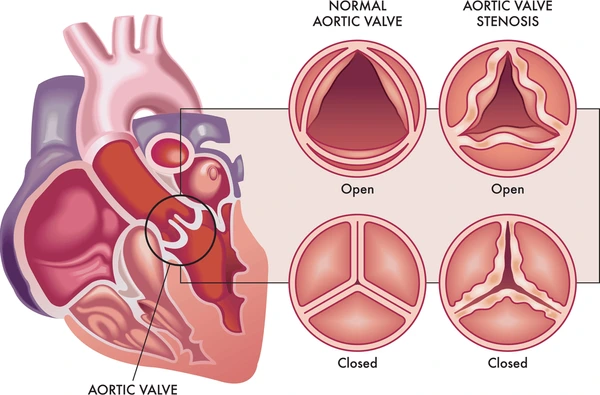
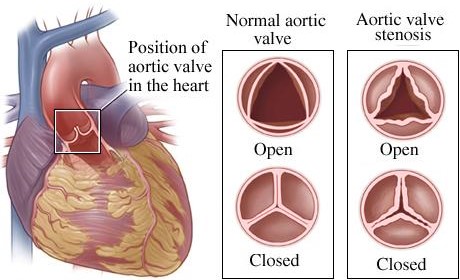
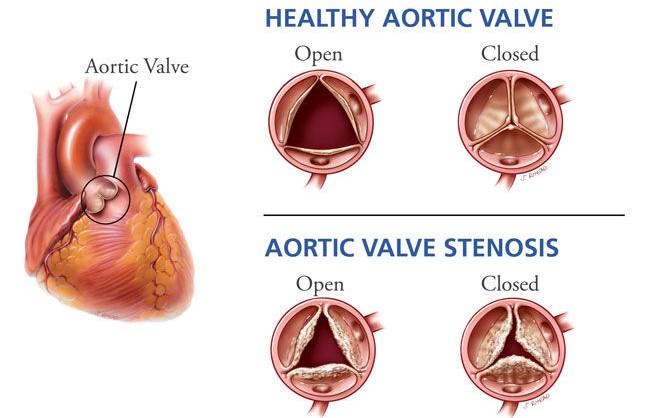
Aortic stenosis is a heart valve disorder in which the aortic valve narrows, restricting blood flow from the heart’s left ventricle to the aorta and the rest of the body. This condition forces the heart to work harder, which can eventually lead to heart failure if left untreated.
Mild cases may not cause noticeable symptoms, but severe aortic stenosis can lead to serious complications, including heart failure, arrhythmias, and even sudden cardiac death.
What Are the Symptoms of Aortic Stenosis?
The symptoms of aortic stenosis vary depending on its severity. Many people may not experience symptoms in the early stages, but as the condition worsens, the heart struggles to pump blood efficiently.
Common Symptoms:
- Chest Pain (Angina): A squeezing or pressure-like pain, often triggered by physical activity.
- Shortness of Breath: Difficulty breathing, especially during exertion or when lying down.
- Dizziness or Fainting (Syncope): Reduced blood flow to the brain can cause blackouts or near-fainting episodes.
- Fatigue: Feeling excessively tired, especially with exertion.
- Palpitations: Sensation of irregular or rapid heartbeats.
- Swelling (Edema): Fluid buildup in the legs, ankles, and feet due to reduced heart efficiency.
Severe Symptoms Indicating Emergency:
- Sudden collapse or fainting episodes.
- Severe chest pain that does not go away.
- Extreme shortness of breath, even at rest.
What Causes Aortic Stenosis?
Aortic stenosis can develop due to various factors, including age-related degeneration, congenital defects, or other medical conditions affecting the heart.
1. Age-Related Causes:
- Calcification of the Aortic Valve: Over time, calcium deposits can build up on the valve, causing stiffness and narrowing.
- Wear and Tear: The aortic valve naturally degenerates with age, leading to stenosis in older adults (typically over 65).
2. Congenital Causes:
- Bicuspid Aortic Valve (BAV): Instead of the normal three cusps, some people are born with only two, increasing the risk of early valve narrowing.
3. Medical Conditions Leading to Aortic Stenosis:
- Rheumatic Heart Disease: A past streptococcal infection (like rheumatic fever) can scar and stiffen the valve.
- Chronic Kidney Disease: May contribute to calcium buildup in the valve.
- High Cholesterol & Hypertension: Can accelerate calcification and valve stiffening.
- Radiation Therapy: Previous radiation treatment to the chest can damage the heart valves.
How Is Aortic Stenosis Diagnosed?
Aortic stenosis is diagnosed using a combination of physical exams, imaging tests, and heart function assessments.
1. Clinical Examination:
- Heart Murmur Detection: A doctor may hear a characteristic “whooshing” sound through a stethoscope.
- Symptoms Review: Any reports of chest pain, shortness of breath, or fainting are considered.
2. Diagnostic Tests:
- Echocardiogram (Echo): The most important test to visualize valve structure and measure blood flow.
- Electrocardiogram (ECG/EKG): Detects abnormal heart rhythms or signs of heart strain.
- Chest X-ray: May show an enlarged heart or calcifications in the aortic valve.
- Cardiac MRI or CT Scan: Provides detailed imaging of the valve and heart structure.
- Cardiac Catheterization: Measures the pressure difference across the valve to determine severity.
How Is Aortic Stenosis Treated?
Treatment depends on the severity of the condition, ranging from lifestyle management to surgical intervention for severe cases.
1. Medications (For Symptom Management Only):
Medications cannot cure aortic stenosis but may help manage symptoms and prevent complications:
- Diuretics: Reduce fluid buildup and swelling.
- Beta-Blockers: Help slow the heart rate and reduce strain.
- Blood Pressure Medications: Control hypertension to prevent worsening stenosis.
2. Lifestyle Modifications:
- Regular Exercise (With Caution): Light activity is beneficial, but strenuous exercise should be avoided in severe cases.
- Heart-Healthy Diet: Low in saturated fats and salt to maintain good cardiovascular health.
- Avoid Smoking & Alcohol: Reduces additional strain on the heart.
- Manage Risk Factors: Control cholesterol, diabetes, and blood pressure.
3. Medical Procedures & Surgery (For Severe Cases):
- Aortic Valve Replacement (AVR): The most effective treatment for severe stenosis. It can be done via:
- Open-Heart Surgery: The diseased valve is removed and replaced with a mechanical or tissue valve.
- Transcatheter Aortic Valve Replacement (TAVR): A minimally invasive procedure to insert a new valve without open-heart surgery.
- Balloon Valvuloplasty: A temporary procedure where a balloon is used to widen the valve opening (usually for children or patients unable to undergo surgery).
How Does Aortic Stenosis Affect the Body and Mind?
Physical Effects:
- Heart Failure: The heart weakens due to overwork, leading to fluid buildup in the lungs and body.
- Arrhythmias (Irregular Heartbeats): Can increase the risk of stroke or sudden cardiac arrest.
- Poor Circulation: Reduced blood flow may cause dizziness, fainting, and fatigue.
Mental & Emotional Effects:
- Anxiety and Stress: Fear of heart-related symptoms can cause mental distress.
- Reduced Quality of Life: Fatigue and shortness of breath can limit daily activities.
- Depression: Some individuals struggle with the limitations caused by the condition.
What Are the Long-Term Effects of Aortic Stenosis?
If left untreated, severe aortic stenosis can lead to:
- Heart failure – Due to prolonged overworking of the left ventricle.
- Arrhythmias – Increased risk of stroke or sudden cardiac arrest.
- Reduced life expectancy – Severe cases can become fatal without intervention.
- Declining cognitive function – Poor blood flow may contribute to dementia in elderly individuals.
How to Manage Aortic Stenosis for a Better Quality of Life?
For Individuals:
- Monitor Symptoms Closely – Any worsening should be reported to a doctor immediately.
- Follow a Heart-Healthy Diet – Reduce salt and saturated fats to ease heart strain.
- Stay Active, But Know Your Limits – Light walking is good, but heavy lifting should be avoided.
For Caregivers & Families:
- Encourage Medication Adherence – Ensure that prescribed drugs are taken as directed.
- Be Prepared for Emergencies – Know the warning signs of severe aortic stenosis (chest pain, fainting).
- Provide Emotional Support – Help reduce anxiety related to heart disease.
For Schools & Workplaces:
- Make Accommodations for Physical Limitations – Avoid excessive exertion.
- Promote Heart Health Awareness – Encourage a healthy lifestyle among employees or students.