


What is Lactase Deficiency?
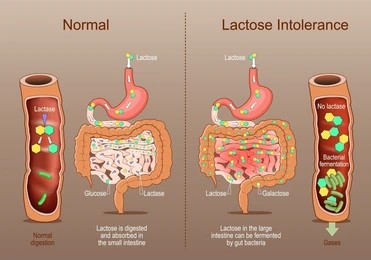
Lactase deficiency is a condition where the body does not produce enough lactase, the enzyme needed to break down lactose, the sugar found in milk and dairy products. Without enough lactase, lactose remains undigested in the intestine, leading to digestive symptoms such as bloating, diarrhea, and cramps. This condition is often called lactose intolerance.
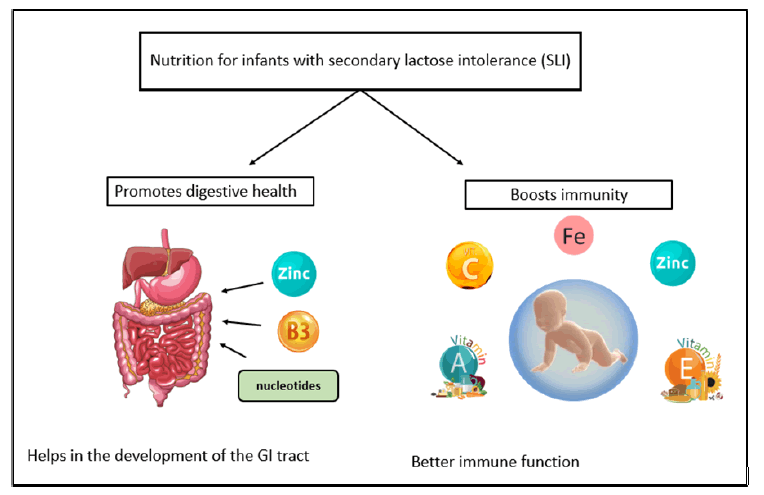
Types of Lactase Deficiency?
There are four types of lactase deficiency. Primary lactase deficiency is the most common and happens naturally as people age. Secondary lactase deficiency occurs due to injury or illness affecting the small intestine. Congenital lactase deficiency is a rare genetic disorder where babies are born with little or no lactase. Developmental lactase deficiency occurs in premature infants and often improves as the intestine matures.
Causes of Lactase Deficiency?
The main causes include genetic factors, aging, and damage to the small intestine from diseases such as celiac disease, Crohn’s disease, or infections. Premature birth can also lead to temporary lactase deficiency because the small intestine may not be fully developed.
Symptoms of Lactase Deficiency?
Symptoms usually occur 30 minutes to 2 hours after consuming lactose-containing foods. They include bloating, diarrhea, gas, stomach cramps, nausea, and rumbling sounds in the stomach. The severity of symptoms depends on the amount of lactose consumed and the degree of enzyme deficiency.
Diagnosis of Lactase Deficiency?
Diagnosis can be made using several methods. A lactose tolerance test measures blood sugar levels after drinking a lactose solution. A hydrogen breath test checks for hydrogen gas produced when undigested lactose ferments in the colon. In young children, a stool acidity test may be used. Sometimes, eliminating lactose from the diet and seeing if symptoms improve can also confirm the diagnosis.
Treatment and Management?
There is no cure for lactase deficiency, but symptoms can be controlled. Management involves limiting or avoiding lactose-containing foods, using lactase enzyme supplements, and choosing lactose-free dairy products. It is important to find alternative sources of calcium and vitamin D, such as fortified plant-based milks, leafy greens, and supplements, to maintain bone health.
Possible Complications?
If lactase deficiency is not managed properly, it can lead to nutritional deficiencies, particularly of calcium and vitamin D. Over time, this may result in weakened bones or osteoporosis. Chronic digestive discomfort can also impact quality of life.
Prevention?
Primary lactase deficiency cannot be prevented, as it is often a natural part of aging. However, symptoms can be minimized by careful dietary management, using lactase supplements, and reading food labels to avoid hidden lactose.
When to See a Doctor?
You should see a doctor if you have persistent or severe digestive symptoms after consuming dairy, or if dietary changes do not relieve your symptoms. It is also important to seek medical advice if a child shows signs of lactose intolerance, such as poor weight gain or chronic diarrhea.