


What is Liver Shock?
Liver shock is a severe condition in which the liver suddenly loses its ability to function properly, often due to acute injury, infection, or illness. This can lead to a significant disruption in the liver’s vital processes, including detoxification, protein production, and the regulation of various metabolic functions. Liver shock may also be referred to as acute liver failure or hepatic shock, and it can be life-threatening if not treated promptly.
Liver shock can result from several factors, including viral infections, toxins, certain medications, liver diseases, or trauma. When the liver is unable to carry out its functions effectively, it leads to a buildup of harmful substances in the bloodstream, which can damage other organs and tissues.
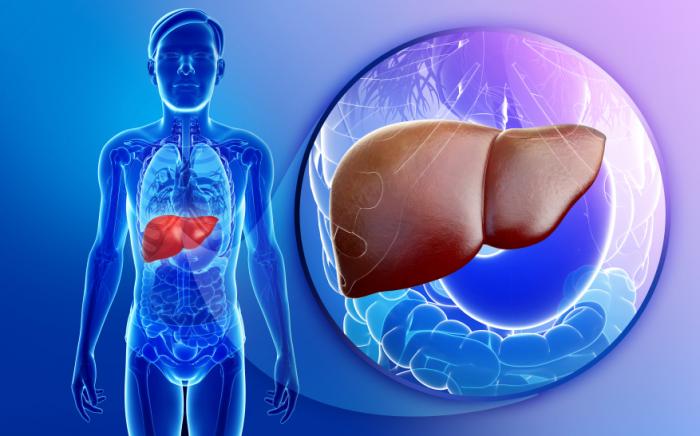
Causes of Liver Shock?
The primary causes of liver shock include conditions that lead to sudden liver injury or dysfunction:
- Viral Hepatitis: Infections caused by hepatitis viruses (such as Hepatitis A, B, and C) can cause inflammation and damage to the liver, potentially leading to liver shock if severe.
- Alcoholic Liver Disease: Chronic or acute heavy drinking can lead to liver inflammation, fatty liver, cirrhosis, and, in extreme cases, liver failure.
- Drug-Induced Liver Injury: Some medications, especially those that are toxic to the liver (like acetaminophen (Tylenol), certain antibiotics, and anti-inflammatory drugs), can lead to liver shock if taken in large doses or over extended periods.
- Liver Cirrhosis: Advanced cirrhosis, where the liver becomes scarred and unable to function properly, can trigger liver shock, particularly during an acute exacerbation.
- Ischemia: When blood flow to the liver is reduced or cut off (due to conditions such as shock, heart failure, or liver transplant complications), it can lead to ischemic injury and liver shock.
- Toxins: Exposure to harmful substances, such as poisonous mushrooms, chemicals, or environmental toxins, can overwhelm the liver’s detoxification abilities and lead to liver shock.
- Sepsis: Severe infections that spread throughout the body can result in liver dysfunction, contributing to liver shock as part of the body’s overall response to infection.

Symptoms of Liver Shock?
The symptoms of liver shock can vary depending on the underlying cause but typically include a combination of the following:
- Jaundice: Yellowing of the skin and eyes, due to the buildup of bilirubin in the bloodstream, which the liver typically processes.
- Abdominal Pain: Pain, tenderness, or discomfort in the upper right side of the abdomen, where the liver is located.
- Swelling: Fluid retention, particularly in the abdomen (ascites), and in the legs or feet.
- Fatigue: Extreme tiredness or weakness, often to the point of being unable to perform daily activities.
- Nausea and Vomiting: Feeling nauseous and vomiting can occur due to the buildup of toxins and waste products in the body.
- Confusion or Disorientation: Known as hepatic encephalopathy, this occurs when toxins build up in the bloodstream and affect brain function, leading to confusion, memory issues, and in severe cases, coma.
- Dark Urine: Urine may appear dark due to the presence of excess bilirubin.
- Pale Stools: Stools may become lighter in color due to a lack of bile production.
- Bleeding and Bruising: Liver shock can impair the production of clotting factors, leading to easy bruising or bleeding, including nosebleeds or bleeding gums.
- Hypotension (Low Blood Pressure): Reduced blood pressure is common in liver shock, as the liver’s inability to regulate fluids and electrolytes can affect blood pressure control.
Diagnosis of Liver Shock?
Liver shock is diagnosed through a combination of physical examination, medical history, and laboratory tests:
- Blood Tests: A liver function panel will check for elevated liver enzymes (such as AST, ALT, and bilirubin levels) and other markers of liver injury. Prothrombin time is also measured to assess blood clotting ability.
- Imaging: Ultrasound, CT scans, or MRI of the liver may be used to assess liver size, structure, and blood flow, and to check for any abnormalities such as tumors, cysts, or fatty liver.
- Liver Biopsy: In some cases, a liver biopsy may be performed to assess the extent of liver damage and determine the underlying cause of liver shock.
- Ammonia Levels: Blood ammonia levels may be tested, as elevated levels are a sign of hepatic encephalopathy, a complication of liver shock.
Treatment for Liver Shock?
The treatment for liver shock focuses on addressing the underlying cause of the condition, supporting liver function, and preventing further complications:
- Hospitalization: Most patients with liver shock require hospitalization, often in an intensive care unit (ICU) for close monitoring and supportive care.
- Medications: Medications may be used to treat the underlying cause of liver shock, such as antiviral drugs for hepatitis, antibiotics for infections, or medications to reduce inflammation and manage pain.
- Liver Support: In some cases, liver function can be supported with medications or therapies that help detoxify the blood and reduce the buildup of toxins.
- Nutritional Support: Patients may receive intravenous (IV) fluids and nutrients if they are unable to eat, and their electrolyte balance will be carefully monitored and corrected.
- Liver Transplantation: In cases of severe liver failure where the liver is no longer functioning and cannot be restored, a liver transplant may be necessary. The patient may be placed on a waiting list for a donor liver.
- Management of Complications: Treatment will also focus on managing complications, such as bleeding, infections, and encephalopathy, to prevent further damage and support recovery.
Complications of Liver Shock?
If left untreated, liver shock can lead to a range of life-threatening complications:
- Hepatic Encephalopathy: The buildup of toxins in the brain can lead to confusion, delirium, and even coma, which may be fatal without intervention.
- Kidney Failure: Acute kidney injury (AKI) can occur in cases of severe liver shock, as the kidneys and liver often work together to detoxify the body.
- Bleeding Disorders: Impaired clotting factors can lead to excessive bleeding, which can be difficult to control and result in life-threatening hemorrhage.
- Sepsis: Infection in the body can further damage the liver and cause septic shock, leading to widespread organ failure.
- Organ Failure: Multiple organ systems, including the heart, lungs, and kidneys, may fail as a result of severe liver dysfunction, leading to death.
Prevention of Liver Shock?
While liver shock cannot always be prevented, the following steps can help reduce the risk of developing liver damage:
- Avoid Excessive Alcohol Consumption: Limit alcohol intake to prevent liver damage and alcoholic liver disease.
- Vaccination: Get vaccinated for Hepatitis A and Hepatitis B to reduce the risk of viral liver infections.
- Medication Safety: Always follow medical advice and avoid taking medications that can harm the liver, such as acetaminophen (Tylenol), in excess.
- Healthy Lifestyle: Maintain a healthy weight, eat a balanced diet, and exercise regularly to support liver health and reduce the risk of liver disease.
- Avoid Toxins: Minimize exposure to environmental toxins and avoid ingesting substances that can harm the liver.
