


What Is Systemic Mastocytosis?
Systemic mastocytosis is a rare disorder characterized by the abnormal accumulation of mast cells—a type of immune cell—in various organs such as the skin, bone marrow, liver, spleen, and gastrointestinal tract. Mast cells release chemicals like histamine, which can cause allergic symptoms and organ damage.

What Are the Symptoms of Systemic Mastocytosis?
Symptoms vary depending on the organs involved but may include:
- Flushing and itching
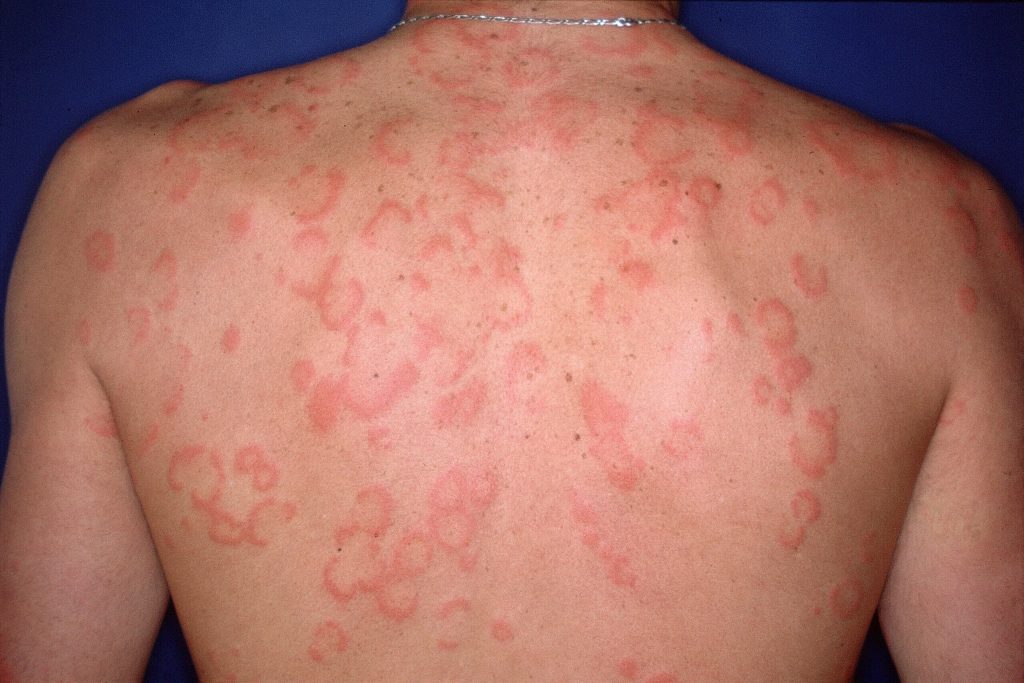
- Skin lesions such as brownish spots or hives
- Abdominal pain, nausea, vomiting, and diarrhea
- Bone pain or osteoporosis
- Anaphylaxis or severe allergic reactions
- Fatigue and weight loss
- Enlargement of liver, spleen, or lymph nodes
What Causes Systemic Mastocytosis?
Systemic mastocytosis is caused by genetic mutations, most commonly in the KIT gene, leading to uncontrolled growth and accumulation of mast cells. It is not contagious or inherited in most cases.
How Is Systemic Mastocytosis Diagnosed?
Diagnosis involves:
- Blood tests and bone marrow biopsy to identify excess mast cells
- Measurement of serum tryptase levels (a marker released by mast cells)
- Skin biopsy if skin lesions are present
- Imaging tests to assess organ involvement
How Is Systemic Mastocytosis Treated?
Treatment focuses on controlling symptoms and preventing complications:
- Antihistamines: To reduce allergic symptoms such as itching and flushing
- Mast cell stabilizers: To prevent mast cell activation
- Corticosteroids: For severe symptoms or organ involvement
- Targeted therapies: Drugs like midostaurin that inhibit mast cell growth in advanced cases
- Avoidance of triggers that cause mast cell activation, such as certain medications, temperature changes, or insect stings
What Is the Prognosis for Systemic Mastocytosis?
Prognosis depends on the subtype and extent of organ involvement. Many patients have a chronic, manageable form, while aggressive forms can cause serious organ damage and require intensive treatment.
Living with Systemic Mastocytosis
- Patients should avoid known triggers to reduce symptoms
- Carry emergency medication for severe allergic reactions
- Regular follow-up with a specialist is important to monitor disease progression
- Supportive care can improve quality of life
