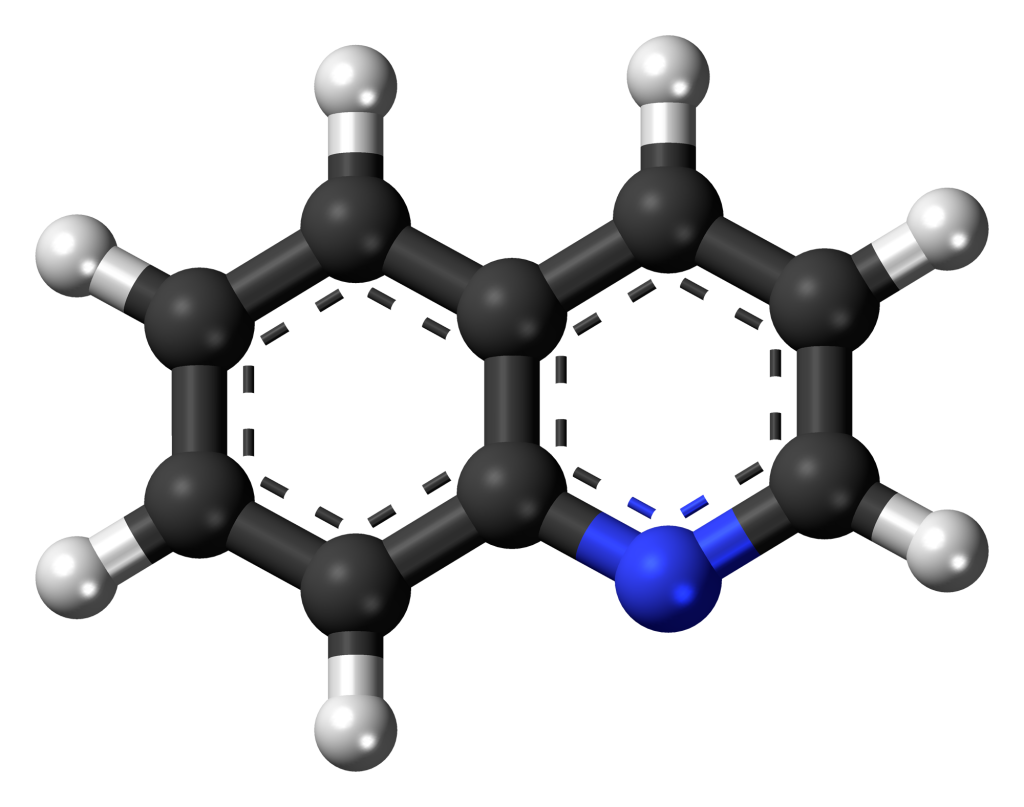
What Are Quinoline Drug Reactions?
Quinoline and its derivatives, such as chloroquine, quinine, quinidine, and mefloquine, are widely used in the treatment of malaria and other parasitic infections. While effective, these compounds can induce a range of adverse reactions, varying from mild to severe, due to their pharmacological properties and metabolic pathways.
Common Side Effects?
These side effects are frequently reported and may diminish over time:
- Cinchonism: A syndrome characterized by symptoms such as tinnitus, headache, nausea, dizziness, and blurred vision.
- Gastrointestinal Distress: Including nausea, vomiting, and abdominal pain.
- Dizziness and Fatigue: Commonly experienced during the initial stages of therapy.
- Skin Reactions: Rashes or itching may occur in some individuals.NCBIPMC
Serious Adverse Reactions?
These are less common but require immediate medical attention:
- Hemolytic Uremic Syndrome (HUS): A condition characterized by the destruction of red blood cells, leading to kidney failure.
- Thrombocytopenia: A decrease in platelet count, increasing the risk of bleeding.
- Cardiac Arrhythmias: Including QT prolongation and torsades de pointes, particularly with chloroquine and quinine.
- Neurological Effects: Severe dizziness, confusion, or seizures.
- Liver Toxicity: Manifested as jaundice or elevated liver enzymes.
- Retinopathy: Long-term use of chloroquine can lead to retinal damage and vision impairment. PubMedScienceDirect
Risk Factors?
Certain populations may be at higher risk for adverse reactions:
- Individuals with Pre-existing Heart Conditions: Especially those with conduction defects.
- Patients with Renal Impairment: As drug clearance may be reduced.
- Elderly Patients: Due to altered pharmacokinetics and increased sensitivity.
- Pregnant Women: Some quinoline derivatives may pose risks to the fetus.
- Individuals with Glucose-6-Phosphate Dehydrogenase (G6PD) Deficiency: Particularly at risk for hemolysis with quinine use. Oriental Journal of ChemistryWikipedia
Diagnosis?
Diagnosis involves:
- Clinical Evaluation: Assessing symptoms and medical history.
- Laboratory Tests: Complete blood count (CBC) to check for thrombocytopenia or hemolysis.
- Electrocardiogram (ECG): To monitor for cardiac arrhythmias.
- Liver Function Tests: To detect any hepatic involvement.
- Ophthalmologic Examination: In cases of long-term chloroquine use, to assess for retinal changes.

Management and Treatment?
Management strategies include:
- Discontinuation of the Drug: Immediate cessation of the offending quinoline derivative.
- Supportive Care: Hydration and monitoring of vital signs.
- Medications: Use of corticosteroids or immunosuppressants in cases of severe reactions.
- Platelet Transfusions: In cases of significant thrombocytopenia.
- Cardiac Monitoring: Continuous ECG monitoring for patients with arrhythmias.
- Ophthalmologic Intervention: Regular eye exams and possible retinal screening for long-term users.
Prevention?
Preventive measures include:
- Screening: Assessing for G6PD deficiency before initiating quinine therapy.
- Dose Adjustment: Tailoring doses in patients with renal or hepatic impairment.
- Regular Monitoring: Routine blood tests and ECGs during treatment.
- Patient Education: Informing patients about potential side effects and the importance of adherence to prescribed doses.