


What is Toxic Shock Syndrome?
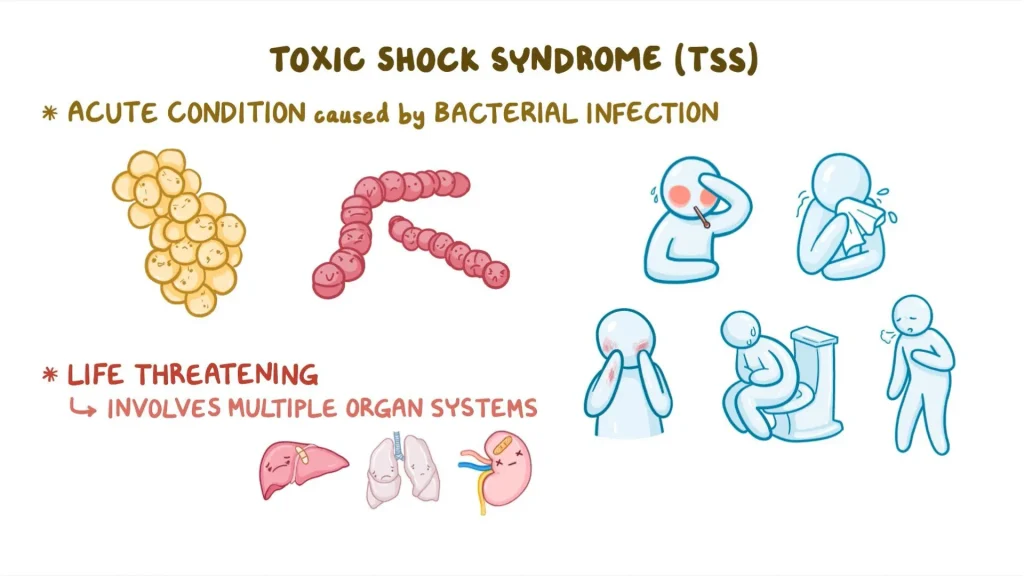
Toxic Shock Syndrome (TSS) is a rare but serious condition caused by toxins produced by certain bacteria, most commonly Staphylococcus aureus or Streptococcus pyogenes. These toxins trigger a severe immune response that can rapidly lead to widespread inflammation, organ failure, and even death if not treated promptly.
What Causes Toxic Shock Syndrome?
TSS is often associated with:
- Use of superabsorbent tampons during menstruation.
- Skin wounds or surgical infections.
- Infections related to medical devices like nasal packing or catheters.
- Burns or trauma that allow bacteria to enter the body.
- Some cases occur after surgery or childbirth.
The bacteria produce toxins that enter the bloodstream and overstimulate the immune system.
What Are the Symptoms of Toxic Shock Syndrome?
Symptoms usually appear suddenly and may include:
- High fever (above 102°F or 39°C).
- Low blood pressure (leading to dizziness or fainting).
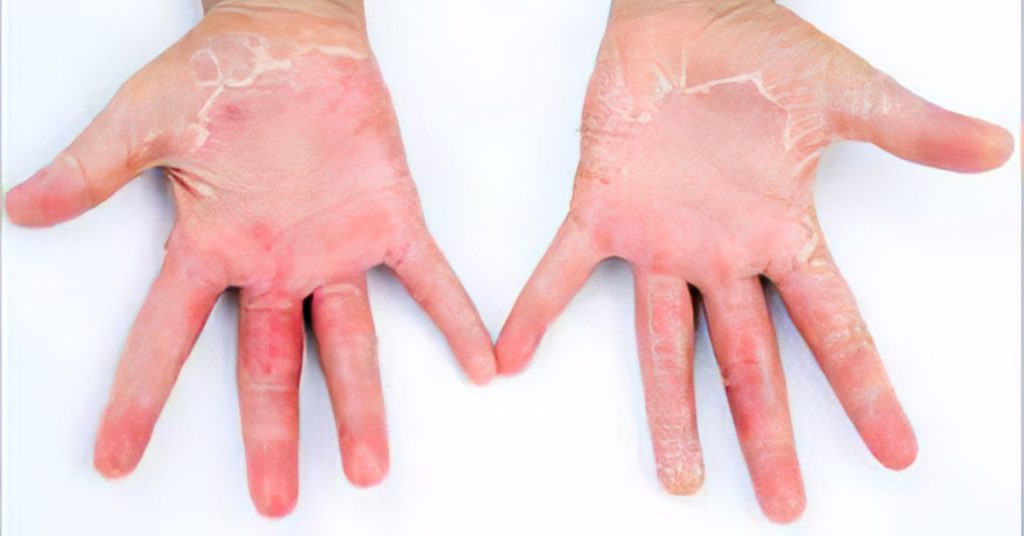
- Rash resembling sunburn, especially on palms and soles.
- Muscle aches and weakness.
- Vomiting or diarrhea.
- Confusion or difficulty concentrating.
- Redness of eyes, mouth, and throat.
- Headache and fatigue.
If untreated, symptoms can worsen rapidly, leading to shock and organ failure.
How is Toxic Shock Syndrome Diagnosed?
Diagnosis involves:
- Medical history to identify recent tampon use, infections, or surgery.
- Physical examination to assess rash, blood pressure, and organ function.
- Blood tests to detect bacteria, organ damage, and toxin effects.
- Cultures from wounds, blood, or other sites to identify the causative bacteria.
- Other tests to evaluate kidney and liver function or coagulation.
How is Toxic Shock Syndrome Treated?
TSS is a medical emergency requiring hospitalization:
- Immediate use of intravenous antibiotics to fight the bacterial infection.
- Supportive care including fluids and medications to maintain blood pressure.
- Removal of any source of infection, such as tampons or wound dressings.
- In severe cases, treatment in an intensive care unit may be needed.
- Medications to support organ function or surgery to remove infected tissue might be necessary.
Can Toxic Shock Syndrome Be Prevented?
Preventive measures include:
- Using tampons with the lowest absorbency needed and changing them frequently.
- Avoiding tampon use overnight.
- Practicing good wound care and hygiene.
- Promptly treating any skin infections or injuries.
- Following medical advice for care of surgical wounds and devices.
When Should You See a Doctor?
Seek urgent medical care if you experience:
- Sudden high fever with rash and low blood pressure.
- Severe muscle pain or weakness.
- Vomiting or diarrhea with dizziness.
- Any signs of infection with rapid worsening symptoms.
Early treatment is critical to prevent serious complications and improve outcomes.
