introduction
Addison’s disease, also known as primary adrenal insufficiency, is a rare disorder that occurs when the adrenal glands do not produce enough of the hormone cortisol, and sometimes aldosterone. This can lead to various health problems, including fatigue, weight loss, and low blood pressure. Left untreated, Addison’s disease can cause severe complications. In this guide, we’ll answer common questions like what causes Addison’s disease, how to diagnose it, and how to treat Addison’s disease effectively.
What Are the Symptoms of Addison’s Disease?
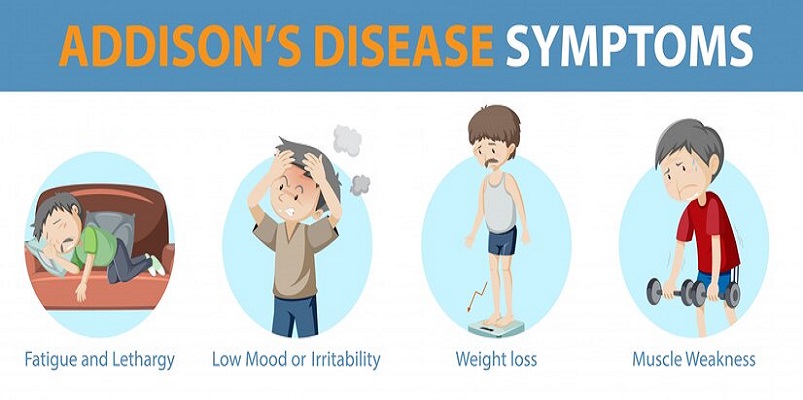
The symptoms of Addison’s disease can develop slowly over time and may be confused with other conditions. The most common symptoms include:
- Fatigue and weakness: Chronic tiredness that does not improve with rest.
- Unexplained weight loss: Loss of appetite and weight can occur despite eating normally.
- Low blood pressure (hypotension): This can lead to dizziness and fainting, especially when standing up.
- Salt cravings: The body’s reduced ability to retain salt can lead to increased cravings for salty foods.
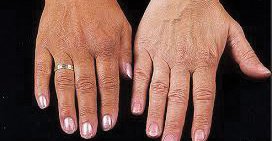
- Hyperpigmentation (skin darkening): Dark patches, especially in skin folds, elbows, and knees.
- Nausea, vomiting, and diarrhea: Digestive issues can often accompany Addison’s disease.
- Irritability and mood changes: Psychological symptoms such as depression, anxiety, or irritability may develop.
It’s important to note that these symptoms may come on gradually and are often overlooked in the early stages.
What Causes Addison’s Disease?
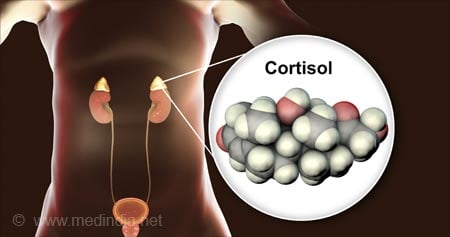
Addison’s disease occurs when the adrenal glands, located above the kidneys, do not produce enough of the cortisol and aldosterone hormones. Cortisol helps the body respond to stress, regulate metabolism, and maintain blood sugar levels, while aldosterone helps regulate sodium and potassium levels in the blood.
The most common causes of Addison’s disease include:
- Autoimmune Disease: The body’s immune system mistakenly attacks the adrenal glands, damaging them and leading to insufficient hormone production. This is the most common cause in developed countries.
- Infections: Certain infections, such as tuberculosis (TB), HIV, and fungal infections, can damage the adrenal glands.
- Adrenal Gland Cancer: Cancer that affects the adrenal glands can result in a loss of hormone production.
- Genetic Factors: In rare cases, genetic conditions such as Congenital Adrenal Hyperplasia (CAH) can cause Addison’s disease.
- Adrenal Hemorrhage: Severe injury or bleeding in the adrenal glands, typically due to trauma or anticoagulant medication, can also result in Addison’s disease.
How Is Addison’s Disease Diagnosed?
Diagnosing Addison’s disease typically involves several steps:
- Blood Tests:
- Cortisol levels: A blood test will check the level of cortisol, which will be low in people with Addison’s disease.
- ACTH (Adrenocorticotropic hormone) test: This test measures how much ACTH the pituitary gland is producing. In Addison’s disease, the ACTH level is typically high, as the body tries to stimulate the adrenal glands to produce more cortisol.
- ACTH Stimulation Test:
This test measures how well the adrenal glands respond to ACTH, a hormone produced by the pituitary gland. If the adrenal glands are unable to respond with an increase in cortisol levels, it confirms the diagnosis. - Imaging Tests (CT or MRI):
A CT scan or MRI may be used to look for any abnormalities in the adrenal glands, such as enlargement, tumors, or damage due to an infection. - Electrolyte Tests:
Addison’s disease can cause an imbalance in electrolytes (e.g., sodium, potassium). Blood tests to check for these imbalances are commonly conducted.
How Is Addison’s Disease Treated?
he treatment of Addison’s disease focuses on replacing the hormones that the adrenal glands are not producing enough of. Treatment typically includes:
- Hormone Replacement Therapy:
- Cortisol Replacement: People with Addison’s disease will need to take hydrocortisone, prednisone, or dexamethasone to replace cortisol.
- Aldosterone Replacement: In some cases, fludrocortisone is prescribed to replace aldosterone, which helps balance sodium and potassium levels in the body.
- Managing Stress and Illness:
Individuals with Addison’s disease are advised to increase their medication doses during times of stress, illness, or surgery to help the body cope with additional demands. This is particularly important during a physical stressor like an infection, surgery, or injury. - Salt Intake:
Since people with Addison’s disease have difficulty retaining sodium, they may need to consume extra salt, especially in hot weather or when they are physically active. - Emergency Treatment (for Addisonian Crisis):
Addisonian crisis is a life-threatening emergency that can occur if the body experiences a major stressor without adequate hormone replacement. This requires immediate treatment with intravenous (IV) fluids, salt, glucose, and high doses of cortisol.
How Does Addison’s Disease Affect the Body?
If left untreated, Addison’s disease can lead to severe complications, including:
- Addisonian Crisis: A medical emergency that can be triggered by physical stress, trauma, or infection. It causes sudden severe symptoms like vomiting, diarrhea, low blood pressure, confusion, and loss of consciousness.
- Heart Problems: Long-term adrenal insufficiency can lead to low blood pressure and an increased risk of cardiovascular disease.
- Electrolyte Imbalance: Since aldosterone production is also low, potassium and sodium imbalances can affect muscle function and heart rhythms.
- Hypoglycemia: Low blood sugar levels may occur if cortisol levels are insufficient to maintain normal blood sugar regulation.
What Are the Long-Term Effects of Addison’s Disease?
With proper treatment and hormone replacement, people with Addison’s disease can lead a normal life. However, if left untreated, the disease can result in long-term complications such as:
- Chronic fatigue and weakness
- Osteoporosis: Long-term use of corticosteroids can lead to bone thinning.
- Mental health issues: Depression and anxiety may be more prevalent in people with Addison’s disease.
How to Manage Addison’s Disease for Better Quality of Life
With proper treatment and lifestyle adjustments, individuals with Addison’s disease can lead a relatively normal life. Tips for managing Addison’s disease include:
- Medication Adherence: Taking medications as prescribed is critical. It is also important to adjust dosages during periods of stress, illness, or injury, as advised by your healthcare provider.
- Emergency Preparedness: Carry an emergency kit with injectable corticosteroids and wear a medical alert bracelet to ensure quick access to emergency care in the event of an adrenal crisis.
- Regular Monitoring: Routine visits to your endocrinologist are essential to ensure your hormone levels are stable and to adjust medications if needed.
- Healthy Lifestyle Choices: Maintaining a balanced diet, exercising regularly, and staying hydrated can help manage symptoms. Patients should also avoid extreme physical stress when possible.
- Stress Management Techniques: Learning to cope with emotional and physical stress through relaxation techniques or therapy can be beneficial.
- Support Groups: Connecting with others who have Addison’s disease can provide emotional support and helpful resources for living with the condition.