


What Is a Surgical Site Infection?
A surgical site infection (SSI) is an infection that occurs at or near the site of a surgical incision within 30 days after surgery, or up to one year if an implant is involved. It results from bacteria or other pathogens entering the wound during or after surgery, leading to inflammation and infection.
SSIs can delay healing, cause pain, and in severe cases, lead to serious complications.
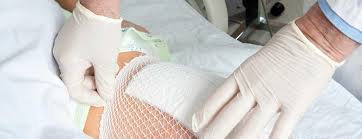
What Are the Symptoms of Surgical Site Infection?
Common symptoms of SSI include:
- Redness and warmth around the surgical area
- Swelling and tenderness
- Pain or increased discomfort at the incision site
- Pus or discharge from the wound, which may have a foul odor
- Fever or chills
- Delayed wound healing
What Causes Surgical Site Infection?
SSIs are caused by microorganisms that contaminate the surgical wound. Factors that increase the risk include:
- Poor hygiene or improper sterilization during surgery
- Contamination during or after surgery
- Patient-related factors such as diabetes, obesity, or immune system weakness
- Smoking and poor nutrition
- Lengthy or complicated surgical procedures
How Is Surgical Site Infection Diagnosed?
Diagnosis is primarily clinical, based on examination of the wound and symptoms. Additional tests may include:
- Wound culture to identify the causative bacteria
- Blood tests to check for signs of infection
- Imaging studies if deeper infection (like abscess) is suspected
How Is Surgical Site Infection Treated?
Treatment depends on severity and location:
- Wound Care: Cleaning and dressing changes to remove pus and debris
- Antibiotics: Oral or intravenous antibiotics targeting the bacteria involved
- Drainage: Surgical drainage if abscess or fluid collection is present
- Surgery: In severe cases, additional surgery may be needed to remove infected tissue
How Can Surgical Site Infections Be Prevented?
Prevention strategies include:
- Proper hand hygiene and sterile techniques during surgery
- Preoperative skin cleansing with antiseptics
- Administering prophylactic antibiotics when appropriate
- Controlling blood sugar levels in diabetic patients
- Proper wound care and monitoring after surgery
Complications of Surgical Site Infection
If untreated or severe, SSI can lead to:
- Spread of infection to deeper tissues or bloodstream (sepsis)
- Delayed wound healing or wound breakdown
- Formation of abscesses
- Increased hospital stay and healthcare costs

Living with Surgical Site Infection
If you develop an SSI:
- Follow your healthcare provider’s wound care instructions carefully
- Complete the full course of prescribed antibiotics
- Report any worsening symptoms like fever or increasing pain immediately
- Attend all follow-up appointments to ensure proper healing
When to Seek Medical Help
Seek urgent care if you notice:
- Excessive redness, swelling, or pus discharge
- High fever or chills
- Severe pain at the surgical site
- Signs of spreading infection such as red streaks or swelling extending beyond the wound