


What is Parvovirus B19 Infection?
Parvovirus B19 is a common virus that mainly affects children but can also impact adults. It causes a mild rash illness known as fifth disease or erythema infectiosum, and in some people, it may lead to more serious complications.
Causes
How is Parvovirus B19 spread?
Parvovirus B19 spreads through respiratory droplets from coughing or sneezing, contact with infected blood or blood products, and from a pregnant mother to her unborn baby.
When is it most contagious?
It is most contagious before the rash appears, during the early stage of illness.
Symptoms
What are the symptoms in children?
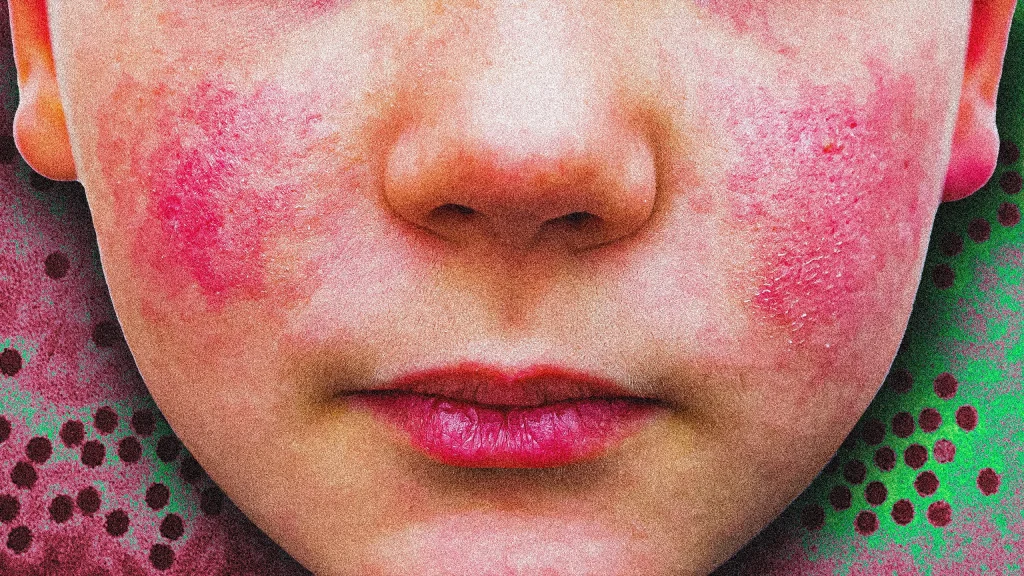
- Bright red rash on the cheeks (slapped cheek appearance)
- Mild fever
- Runny nose and sore throat
- Headache
- Rash that may spread to the body and limbs
What are the symptoms in adults?
- Joint pain or swelling, especially in hands, wrists, and knees
- Fatigue
- Flu-like symptoms
Can Parvovirus B19 cause complications?
Yes. It can cause:
- Aplastic crisis in people with sickle cell disease or other blood disorders
- Chronic anemia in people with weakened immune systems
- Hydrops fetalis, a serious fetal condition, if a pregnant woman is infected
Diagnosis
How is the infection diagnosed?
Diagnosis is based on symptoms and confirmed with blood tests that detect parvovirus-specific antibodies (IgM and IgG). PCR tests may be used to detect the virus in high-risk cases such as pregnancy or weakened immunity.
Treatment
Is there a cure for Parvovirus B19?
There is no specific antiviral cure. Most cases are mild and resolve on their own.
What treatments are available?
- Rest and hydration
- Pain relievers like acetaminophen or ibuprofen
- Blood transfusions for severe anemia
- Intravenous immunoglobulin (IVIG) for people with weak immune systems
Prognosis
What is the outlook for people with Parvovirus B19?
Most healthy individuals recover within one to two weeks. Adults may have joint pain for several weeks. Those with chronic conditions or pregnancy-related complications may need careful monitoring.

Prevention
Can Parvovirus B19 be prevented?
There is no vaccine. Prevention includes practicing good hand hygiene, avoiding close contact with infected individuals, and taking precautions if you are pregnant or have a weakened immune system.
Support and Management
Who needs extra care during a Parvovirus B19 infection?
- Pregnant women
- Individuals with blood disorders like sickle cell anemia
- People with weakened immune systems
What should I do if I think I’ve been exposed?
Contact a healthcare provider, especially if you are in a high-risk group. Early diagnosis and monitoring can help prevent serious complications.
