


What Are Fetal Lung Maturity Issues?
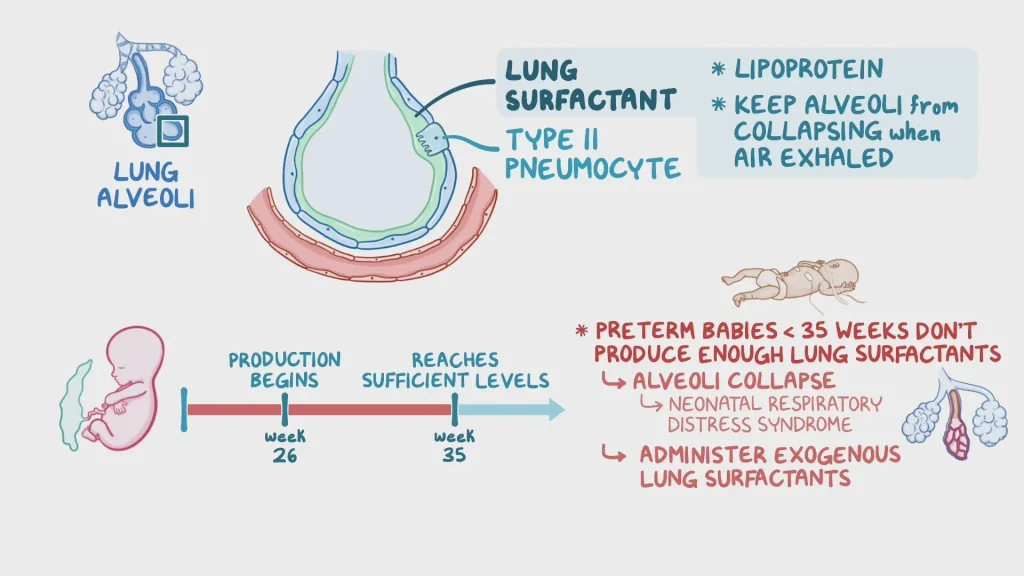
Fetal lung maturity issues refer to the underdevelopment or delayed development of a baby’s lungs while still in the womb. Lungs are among the last organs to fully develop, typically maturing around the 35th to 37th week of pregnancy. If a baby is born before the lungs are mature, they may struggle to breathe on their own, leading to serious health problems after birth.
Why Is Lung Maturity Important?
Mature lungs are essential for a newborn to breathe independently and exchange oxygen efficiently. Without full development, the baby may be at risk of respiratory distress syndrome (RDS) and other complications.
Causes of Fetal Lung Maturity Issues
- Premature birth (before 37 weeks)
- Gestational diabetes in the mother
- Preeclampsia or other placental issues
- Intrauterine growth restriction (IUGR)
- Multiple pregnancies (twins or more)
- Cesarean delivery before term without confirming lung maturity
Signs and Complications in the Newborn
- Difficulty breathing or rapid breathing
- Grunting or flaring nostrils
- Bluish skin tone (cyanosis)
- Need for supplemental oxygen or ventilation
- Risk of respiratory distress syndrome (RDS) or bronchopulmonary dysplasia (BPD)
How Is Fetal Lung Maturity Assessed? Doctors may assess lung maturity through:
- Amniocentesis: A sample of amniotic fluid is tested for surfactant levels, which help keep the lungs open
- Ultrasound and fetal growth assessments
- Lecithin-sphingomyelin (L/S) ratio: A common lab test of lung maturity
- Phosphatidylglycerol (PG) test: Indicates readiness of lungs
Treatment and Management Options
- Antenatal corticosteroids: Medications like betamethasone may be given to the mother before early delivery to speed up lung development
- Delay elective C-sections or inductions until at least 39 weeks or until lung maturity is confirmed
- NICU support after birth, including:
- Oxygen therapy
- CPAP (continuous positive airway pressure)
- Mechanical ventilation, if necessary
- Surfactant replacement therapy

Can It Be Prevented? While not all cases are preventable, steps can reduce the risk:
- Proper prenatal care and monitoring
- Managing chronic conditions like diabetes or hypertension
- Avoiding unnecessary early deliveries
- Administering steroids if early birth is unavoidable
When to Seek Medical Help Pregnant individuals should contact their healthcare provider if they:
- Go into labor before 37 weeks
- Have signs of preeclampsia or gestational diabetes
- Notice a decrease in fetal movement
- Are scheduled for early delivery and haven’t discussed lung maturity testing
