


What is Ameloblastic Carcinoma?
Ameloblastic carcinoma is a rare, aggressive malignant tumor that originates from the jawbone. It arises from ameloblast cells, which are responsible for tooth enamel formation, but unlike ameloblastoma (a benign tumor), ameloblastic carcinoma is cancerous and can spread (metastasize) to other parts of the body, such as the lungs, lymph nodes, and bones. Due to its aggressive nature, early diagnosis and treatment are crucial.
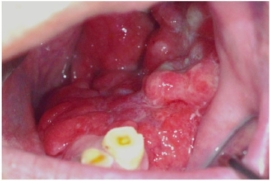
What Are the Symptoms of Ameloblastic Carcinoma?
The symptoms of ameloblastic carcinoma are similar to those of ameloblastoma but may progress more rapidly and be more severe:
- Swelling or a rapidly growing mass in the jaw
- Persistent jaw pain (more common than in benign ameloblastoma)
- Loose teeth or difficulty chewing
- Ulceration or open sores in the mouth
- Facial asymmetry due to jawbone destruction
- Difficulty opening or closing the mouth
- Numbness or tingling in the jaw, lips, or chin
- Possible weight loss and fatigue (if cancer has spread)
If left untreated, ameloblastic carcinoma can destroy nearby tissues and bones, making treatment more difficult.

What Causes Ameloblastic Carcinoma?
The exact cause of ameloblastic carcinoma is not fully understood, but several factors may contribute to its development:
1. Malignant Transformation of Ameloblastoma?
- Some cases of ameloblastic carcinoma develop from a pre-existing ameloblastoma that undergoes genetic changes and becomes cancerous.
2. Genetic Mutations?
- Mutations in genes such as BRAF, SMO, and TP53 have been linked to aggressive tumor growth.
3. Prior Radiation Exposure?
- Some cases have been linked to previous radiation therapy in the head or neck region.
4. Trauma or Chronic Inflammation?
- Repeated jaw trauma or infections may trigger abnormal cell activity.
How is Ameloblastic Carcinoma Diagnosed?
1. Clinical Examination?
- A doctor or dentist will check for jaw swelling, pain, and oral lesions.
2. Imaging Tests?
- X-rays (Panoramic X-ray): May show bone destruction or irregular growths.
- CT Scan (Computed Tomography): Provides detailed images of the tumor’s size, location, and bone involvement.
- MRI (Magnetic Resonance Imaging): Helps evaluate soft tissue invasion.
- PET Scan (Positron Emission Tomography): Checks if the cancer has spread to other parts of the body.
3. Biopsy (Definitive Diagnosis)?
- A tissue sample is taken and examined under a microscope to confirm if the tumor is cancerous.

What Are the Treatment Options for Ameloblastic Carcinoma?
Since ameloblastic carcinoma is aggressive, treatment usually involves a combination of surgery, radiation, and chemotherapy to prevent recurrence and metastasis.
1. Surgery (Main Treatment)?
- Wide Surgical Resection: The tumor, along with a margin of healthy bone and soft tissue, is removed to prevent recurrence.
- Jaw Reconstruction: Bone grafts or implants may be used to restore jaw function after surgery.
2. Radiation Therapy?
- Used after surgery to destroy any remaining cancer cells and lower the risk of recurrence.
- Intensity-Modulated Radiation Therapy (IMRT) is often preferred for precision.
3. Chemotherapy?
- Used in advanced or metastatic cases where cancer has spread beyond the jaw.
- Common drugs include cisplatin, doxorubicin, and methotrexate.
4. Targeted Therapy (For Specific Genetic Mutations)?
- If the tumor has a BRAF mutation, drugs like BRAF inhibitors may help slow tumor growth.
5. Follow-Up and Monitoring?
- Regular imaging tests (CT, MRI, or PET scans) are required to check for recurrence or metastasis.
What is the Prognosis for Ameloblastic Carcinoma?
- Early detection and complete surgical removal offer the best prognosis.
- If cancer has spread (metastasized), the prognosis is poorer, and aggressive treatment is needed.
- Regular follow-ups are essential to monitor for recurrence.
Can Ameloblastic Carcinoma Be Prevented?
There are no specific prevention methods, but early detection through routine dental checkups can help identify suspicious jaw growths before they become cancerous.