


What is Penile Lichen Sclerosus?
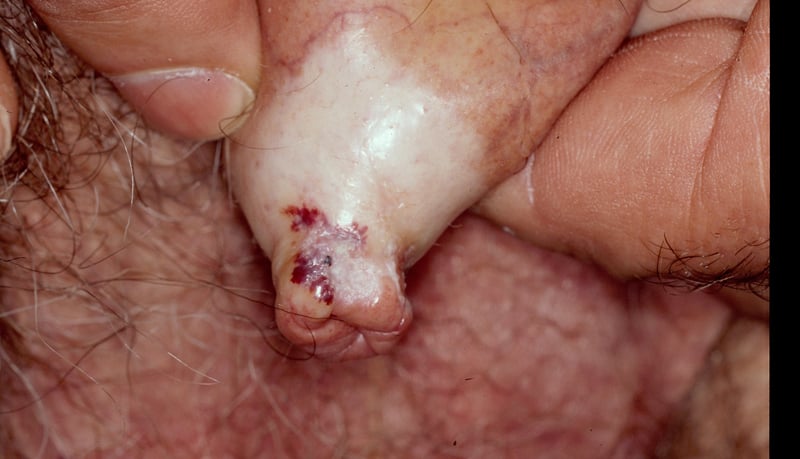
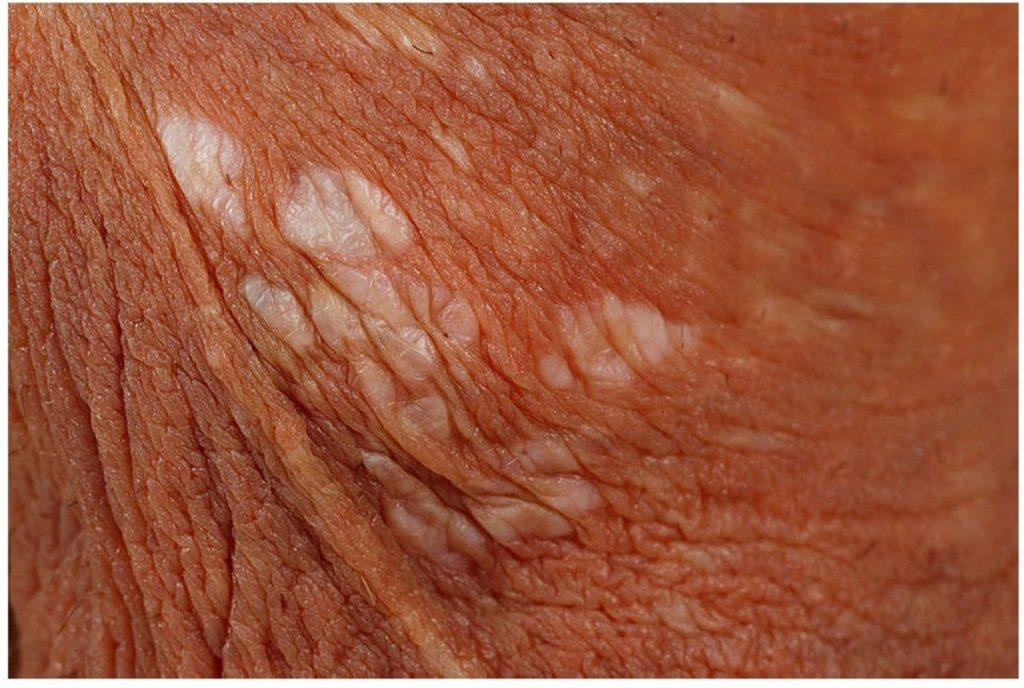
Penile Lichen Sclerosus (PLS) is a chronic inflammatory skin condition that affects the genital area in males, primarily the foreskin and the head of the penis. It causes white, patchy, thin skin that may lead to scarring, tightening, and discomfort. PLS is sometimes called balanitis xerotica obliterans.
What causes Penile Lichen Sclerosus?
The exact cause of PLS is unknown. It is considered an autoimmune-related disorder where the immune system attacks the skin, causing inflammation and damage. Other contributing factors may include:
- Genetic predisposition
- Hormonal influences
- Chronic irritation or trauma
- Infections
- Association with other autoimmune diseases
Who is affected by Penile Lichen Sclerosus?
PLS can affect males of any age but is most common in uncircumcised men, particularly middle-aged and older adults. It is less common in children but can still occur.
What are the symptoms of Penile Lichen Sclerosus?
Symptoms often develop gradually and may include:
- White, patchy, or shiny skin on the foreskin or glans (head of the penis)
- Tightening or scarring of the foreskin, making retraction difficult (phimosis)
- Itching, soreness, or discomfort
- Pain during urination or sexual activity
- Bleeding or cracking of the skin in severe cases
If untreated, PLS can lead to significant scarring and functional problems.
How is Penile Lichen Sclerosus diagnosed?
Diagnosis is usually based on physical examination by a healthcare provider. A skin biopsy may be performed to confirm the diagnosis and rule out other conditions such as infections or malignancy.
What treatment options are available for Penile Lichen Sclerosus?
Treatment focuses on reducing inflammation, relieving symptoms, and preventing complications:
- Topical corticosteroids: Potent steroid creams are the mainstay treatment to reduce inflammation and improve skin condition.
- Good hygiene: Gentle cleaning and avoiding irritants can help prevent worsening.
- Circumcision: In cases of severe scarring or phimosis, surgical removal of the foreskin may be recommended.
- Other therapies: Immunomodulatory creams or systemic treatments may be considered in resistant cases.
What is the prognosis for Penile Lichen Sclerosus?
With early and consistent treatment, symptoms can improve significantly, and scarring can be minimized. Without treatment, PLS may progress, causing permanent scarring and difficulty with urination or sexual function. Regular follow-up is important.
Can Penile Lichen Sclerosus affect daily life?
Yes, symptoms like discomfort, pain, and scarring can interfere with urination and sexual activity, impacting quality of life. Psychological distress related to the condition is also possible.
Where can someone find support or more information?
Urologists, dermatologists, and sexual health specialists can provide diagnosis and management. Patient support groups and reputable health websites offer valuable information for those affected.