What is Acid Reflux (GERD)?
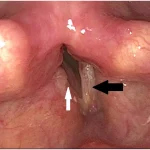
Acid reflux, also known as Gastroesophageal Reflux Disease (GERD), is a digestive disorder where stomach acid frequently flows back into the esophagus. This backflow can cause irritation, heartburn, and other symptoms. If left untreated, GERD can lead to complications such as esophageal damage or ulcers.
What Causes GERD?
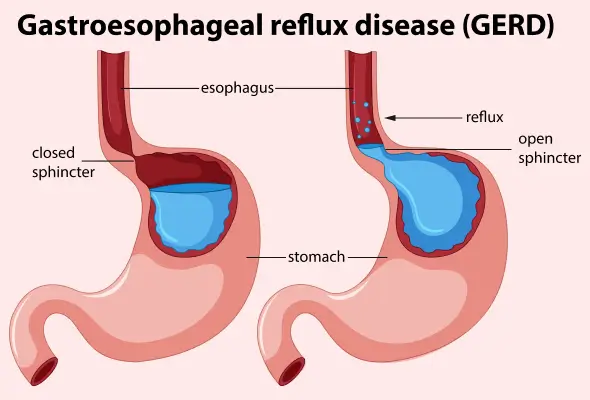
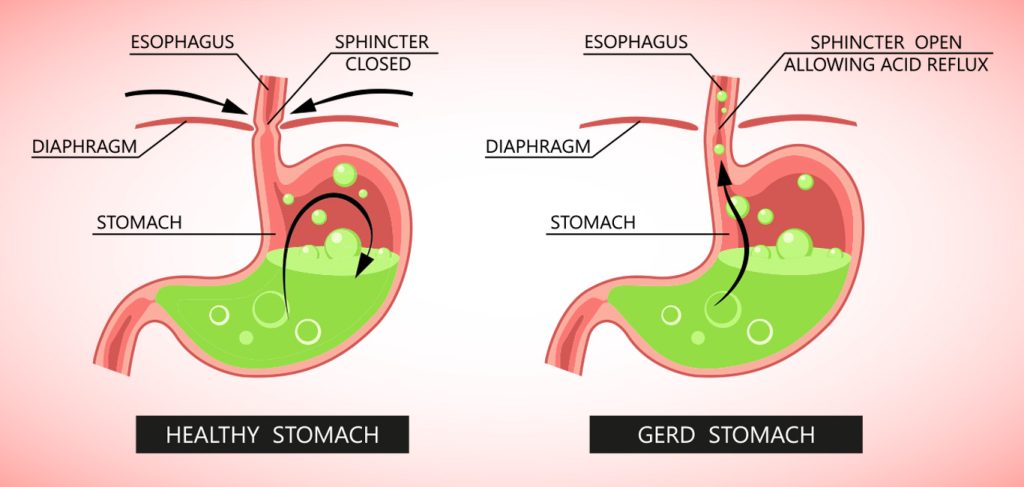
GERD occurs when the lower esophageal sphincter (LES), a muscle that prevents stomach acid from rising, becomes weak or relaxes too often. Factors that contribute to GERD include:
- Obesity – Extra weight puts pressure on the stomach
- Hiatal hernia – When the stomach pushes through the diaphragm
- Pregnancy – Hormonal changes and pressure from the growing uterus
- Certain foods and drinks – Such as spicy foods, citrus, caffeine, alcohol, and fatty foods
- Smoking – Weakens the LES and increases acid production
- Lying down after eating – Can trigger reflux
- Certain medications – Such as NSAIDs, aspirin, and some muscle relaxants
What Are the Symptoms of GERD?
Symptoms vary in severity but commonly include:
- Heartburn – A burning sensation in the chest, especially after eating or lying down
- Regurgitation – A sour or bitter-tasting liquid coming back up
- Chest pain – Can sometimes mimic a heart attack
- Difficulty swallowing (dysphagia) – Due to irritation or narrowing of the esophagus
- Chronic cough – Especially at night or after meals
- Hoarseness or sore throat – Caused by acid irritating the throat
- Excessive belching and bloating
How Is GERD Diagnosed?
A doctor may diagnose GERD based on symptoms or recommend tests for confirmation:
- Endoscopy – A thin, flexible tube with a camera examines the esophagus
- pH monitoring – Measures acid levels in the esophagus over 24 hours
- Esophageal manometry – Tests esophageal muscle function
- Barium swallow X-ray – Identifies abnormalities in the esophagus and stomach
What Are the Treatment Options for GERD?
Treatment focuses on lifestyle changes, medications, and in severe cases, surgery.
1. Lifestyle and Home Remedies
- Maintain a healthy weight – Reduces pressure on the stomach
- Avoid trigger foods – Such as spicy, acidic, or fatty foods
- Eat smaller meals – Prevents excess stomach acid production
- Avoid lying down after eating – Wait at least 2-3 hours before bedtime
- Raise the head of the bed – Helps keep stomach acid from rising
- Quit smoking and limit alcohol – Reduces acid production and irritation
2. Medications for GERD
- Antacids – Neutralize stomach acid (Tums, Rolaids, Maalox)
- H2 receptor blockers – Reduce acid production (Ranitidine, Famotidine)
- Proton pump inhibitors (PPIs) – Stronger acid reducers (Omeprazole, Lansoprazole, Esomeprazole)
- Prokinetics – Help empty the stomach faster (Metoclopramide)
3. Surgical Options (For Severe GERD Cases)
- Fundoplication – Strengthens the LES by wrapping the top of the stomach around the esophagus
- LINX device – A small ring of magnetic beads helps prevent acid reflux
Can GERD Cause Complications?
If untreated, GERD can lead to:
- Esophagitis – Inflammation of the esophagus
- Esophageal strictures – Narrowing of the esophagus, making swallowing difficult
- Barrett’s esophagus – A precancerous condition caused by long-term acid damage
- Esophageal cancer – In rare cases, long-term GERD increases cancer risk