


What is Hypothalamic Dysfunction?
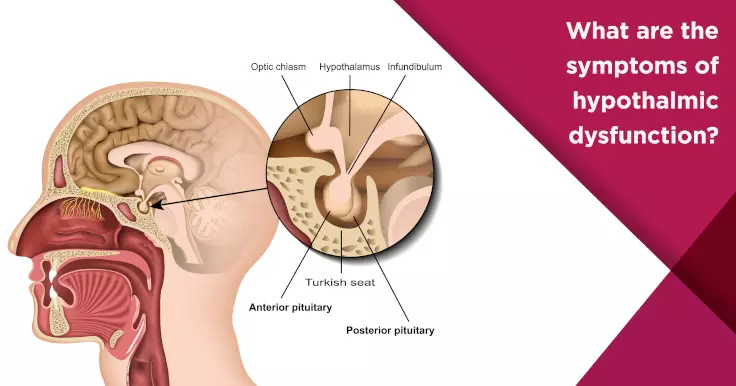
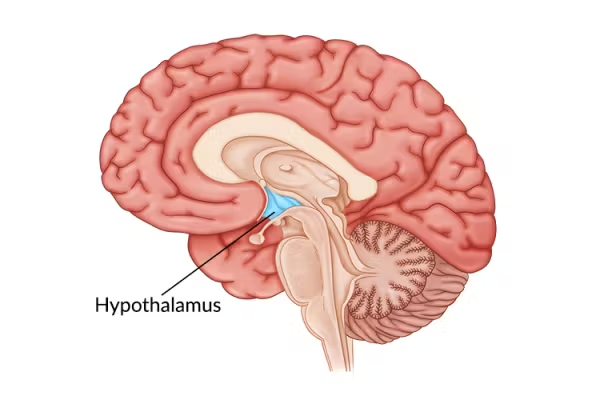
Hypothalamic dysfunction is a condition in which the hypothalamus, a small but crucial part of the brain, does not function properly. The hypothalamus plays a key role in regulating many essential body functions, including body temperature, appetite, sleep, mood, thirst, hormone production, and autonomic nervous system control.
When the hypothalamus is damaged or disrupted, it can cause a wide range of hormonal, metabolic, and neurological issues.
What causes Hypothalamic Dysfunction?
Hypothalamic dysfunction can result from injury, disease, or congenital conditions. Common causes include:
- Brain tumors (especially near the hypothalamus or pituitary gland)
- Head trauma or brain injury
- Infections (e.g., meningitis, encephalitis)
- Radiation therapy to the brain
- Genetic disorders (e.g., Prader-Willi syndrome, Kallmann syndrome)
- Surgery involving the brain
- Nutritional deficiencies (e.g., thiamine deficiency)
- Autoimmune or inflammatory diseases
- Anorexia nervosa or severe malnutrition
Who is at risk?
- Individuals with brain tumors or cysts
- Patients who have undergone brain surgery or radiation
- People with head trauma or brain infections
- Those with genetic conditions affecting brain development
- Individuals with eating disorders or chronic malnutrition
What are the symptoms of Hypothalamic Dysfunction?
Symptoms vary depending on which functions of the hypothalamus are affected. Common signs and symptoms include:
- Unexplained weight gain or loss
- Growth problems in children
- Irregular or absent menstrual periods
- Low sex drive or infertility
- Fatigue or sleep disturbances
- Body temperature instability (feeling too hot or cold)
- Thirst and fluid balance issues (e.g., frequent urination, dehydration)
- Mood changes, anxiety, or depression
- Delayed puberty or abnormal hormone levels
- Low blood pressure or heart rate abnormalities
Because the hypothalamus controls so many functions, symptoms can affect multiple body systems at once.
How is Hypothalamic Dysfunction diagnosed?
Diagnosis usually involves a combination of:
- Medical history and physical examination
- Blood tests to evaluate hormone levels (pituitary and peripheral hormones)
- MRI or CT scans to check for tumors, structural changes, or lesions in the brain
- Specialized endocrine tests to assess the hypothalamic-pituitary axis
- Sleep studies or temperature regulation testing in some cases
How is Hypothalamic Dysfunction treated?
Treatment focuses on addressing the underlying cause and managing hormone imbalances or symptoms:
- Hormone replacement therapy (e.g., thyroid hormones, sex hormones, cortisol, growth hormone)
- Treatment of tumors (surgery, radiation, or chemotherapy if needed)
- Nutritional support and treatment of eating disorders
- Medications for sleep or mood disorders
- Fluid and electrolyte management (for conditions like diabetes insipidus)
- Ongoing care with an endocrinologist or neurologist
Treatment is often long-term and tailored to the individual’s specific hormonal deficiencies and symptoms.
What are the complications of Hypothalamic Dysfunction?
If not properly managed, complications may include:
- Infertility
- Delayed growth and puberty
- Chronic fatigue and poor quality of life
- Temperature dysregulation and susceptibility to heat or cold
- Obesity or severe weight loss
- Dehydration or electrolyte imbalance
- Mental health issues such as anxiety or depression
Can Hypothalamic Dysfunction be prevented?
In many cases, hypothalamic dysfunction cannot be prevented, especially when caused by genetic disorders or unavoidable brain injuries. However, some steps can help reduce risk or manage the condition effectively:
- Prompt treatment of brain injuries or infections
- Regular monitoring after brain surgery or radiation
- Good nutritional support in cases of malnutrition
- Managing underlying conditions (e.g., autoimmune or metabolic disorders)
- Early diagnosis and hormone therapy to prevent complications
