


What Is Kyphosis?
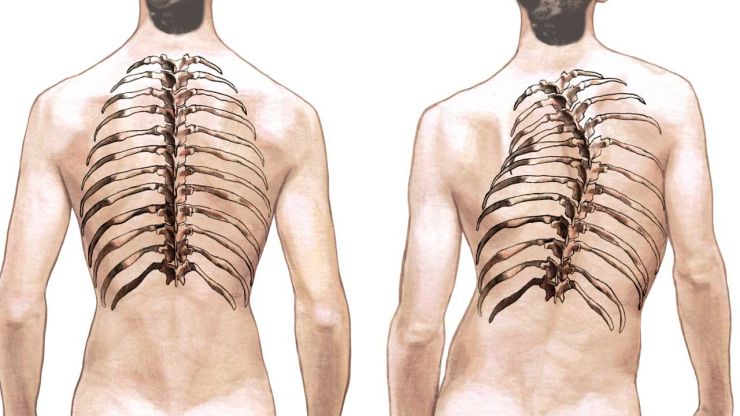
Kyphosis is a spinal condition in which there is an excessive outward curvature of the upper back, leading to a hunched or rounded back appearance. It is sometimes referred to as a “humpback” or “roundback.”
While a slight curvature in the thoracic spine is normal, kyphosis is diagnosed when this curve exceeds 50 degrees. It can affect people of all ages but is most common in adolescents and older adults.
What Causes Kyphosis?
Kyphosis can be caused by a variety of conditions affecting the vertebrae, discs, or posture. Common causes include:
- Postural Kyphosis – caused by poor posture, especially in adolescents
- Scheuermann’s Kyphosis – a structural deformity in the vertebrae during growth
- Congenital Kyphosis – present at birth due to spinal malformation
- Osteoporosis – weakens the bones, causing compression fractures in the elderly
- Degenerative diseases – such as arthritis or disc degeneration
- Infections or tumors – affecting spinal structures
- Trauma – from injuries or fractures
Who Is at Risk for Kyphosis?
Risk factors for developing kyphosis include:
- Adolescents, particularly with rapid growth spurts
- Elderly individuals, especially women with osteoporosis
- People with poor posture
- Individuals with neuromuscular disorders or spinal injuries
- Family history of spinal deformities
What Are the Symptoms of Kyphosis?
Symptoms vary depending on the severity and cause of the condition. Common signs and symptoms include:
- Rounded or hunched upper back
- Back pain or stiffness
- Fatigue
- Tight hamstrings or muscle weakness
- Tenderness along the spine
- In severe cases:
- Difficulty breathing due to lung compression
- Numbness or weakness if nerves are affected
Mild kyphosis may be asymptomatic and discovered during routine exams or imaging.
How Is Kyphosis Diagnosed?
Diagnosis begins with a physical examination and review of medical history. Key steps include:
- Spinal X-rays to measure the degree of curvature
- MRI or CT scans if soft tissues or nerves are involved
- Bone density testing to check for osteoporosis
- Neurological tests to assess reflexes or muscle strength (if symptoms suggest nerve involvement)
A curve greater than 50 degrees on an X-ray typically confirms the diagnosis.

How Is Kyphosis Treated?
Treatment depends on the type, severity, age, and symptoms. Options include:
1. Non-Surgical Treatment:
- Postural correction and physical therapy
- Bracing for growing children or adolescents (especially in Scheuermann’s kyphosis)
- Pain management with NSAIDs or muscle relaxants
- Osteoporosis treatment with medications like bisphosphonates
2. Surgical Treatment:
- Considered for severe curves, rapid progression, persistent pain, or nerve compression
- Spinal fusion is the most common surgery to straighten and stabilize the spine
3. Lifestyle Modifications:
- Regular stretching and strengthening exercises
- Avoiding heavy lifting
- Using ergonomic furniture and maintaining good posture
Early intervention can prevent worsening of the curve and improve quality of life.
Can Kyphosis Be Prevented?
Some types of kyphosis, like congenital or structural forms, are not preventable. However, postural kyphosis and related complications can often be prevented or minimized by:
- Maintaining good posture
- Staying active with back-strengthening exercises
- Calcium and vitamin D intake to prevent osteoporosis
- Early screening in children and teens during growth spurts
Education and awareness play a key role in prevention.
What Is the Outlook for Someone With Kyphosis?
The outlook depends on the type and severity of kyphosis. Many people with mild kyphosis live normal, active lives with minimal intervention. Severe cases may require surgery but often result in significant improvement.
With proper management, most individuals can experience pain relief, improved posture, and better mobility.