


What is Renal Infarction?
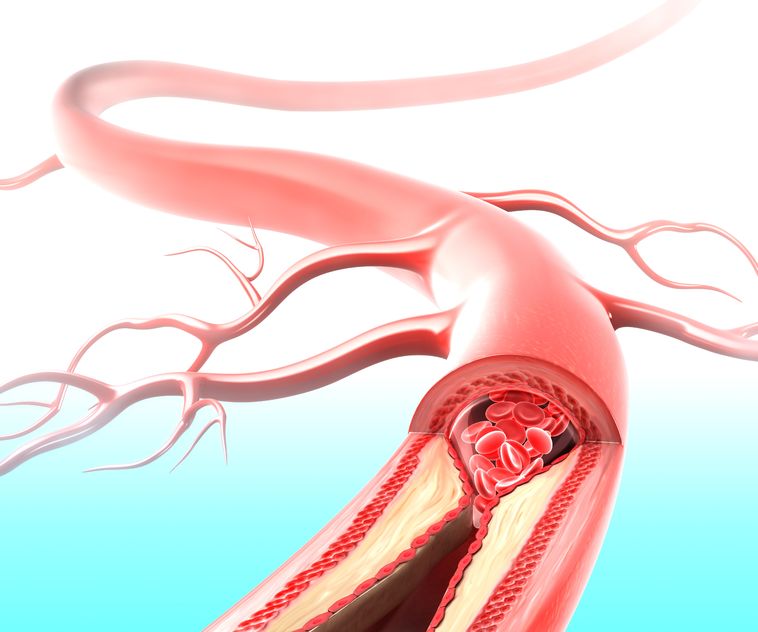
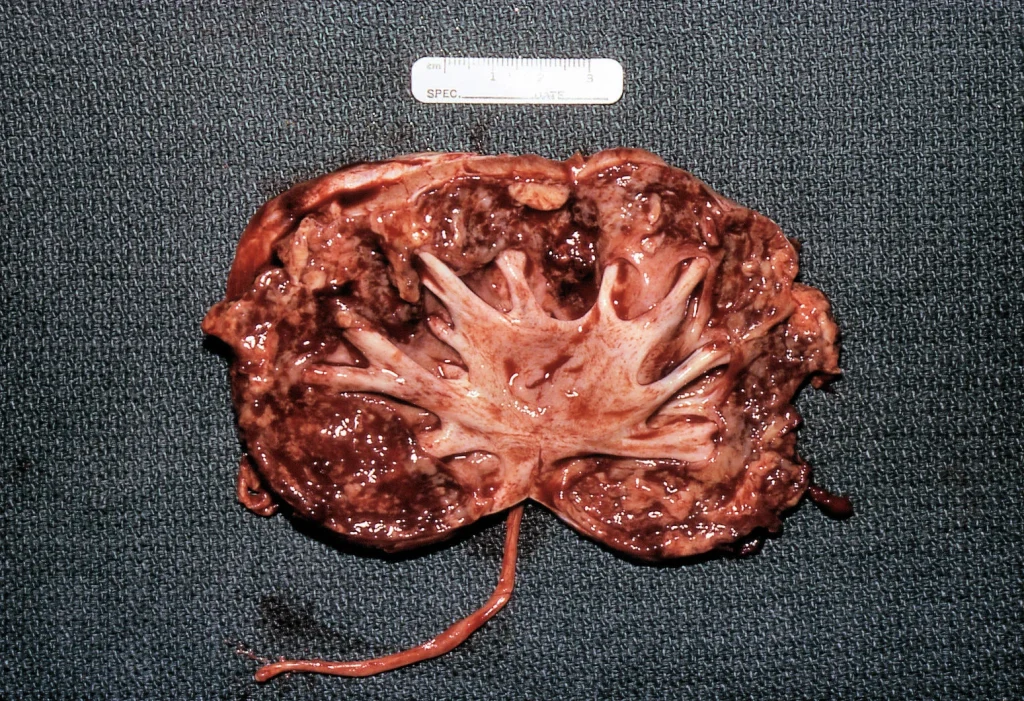
Renal Infarction is a condition where blood flow to a part of the kidney is suddenly blocked, causing tissue death (infarction) due to lack of oxygen and nutrients. This is usually caused by obstruction in the renal artery or its branches. Renal infarction can lead to impaired kidney function and, if severe, permanent kidney damage.
What Causes Renal Infarction?
Common causes of renal infarction include:
- Embolism, where a blood clot or debris travels from the heart or other arteries and blocks the renal artery
- Thrombosis (local blood clot formation) in the renal artery or its branches
- Trauma to the renal vessels
- Atherosclerosis causing narrowing or blockage of renal arteries
- Vasculitis, an inflammation of blood vessels affecting the kidneys
- Surgical or interventional procedures involving the renal arteries
- Underlying conditions such as atrial fibrillation, heart valve disease, or infective endocarditis increasing risk of emboli
What Are the Symptoms of Renal Infarction?
Symptoms often appear suddenly and may include:
- Severe, sudden flank or abdominal pain on the affected side
- Fever
- Nausea and vomiting
- Blood in the urine (hematuria)
- High blood pressure
- General symptoms such as malaise or sweating
How Is Renal Infarction Diagnosed?
Diagnosis involves a combination of clinical evaluation and imaging:
- Medical history and physical examination focusing on risk factors and symptoms
- Blood tests showing elevated white blood cells, kidney function markers, and sometimes lactate dehydrogenase (LDH) elevation
- Urinalysis detecting blood or protein in urine
- Imaging studies such as CT angiography, Doppler ultrasound, or MRI to visualize blood flow and identify areas of infarction
- Electrocardiogram (ECG) and echocardiography if embolic source from the heart is suspected
What Are the Treatment Options for Renal Infarction?
Treatment aims to restore blood flow, manage symptoms, and prevent complications:
- Anticoagulation therapy (blood thinners) to prevent further clot formation
- Pain management with analgesics
- Treatment of underlying causes such as atrial fibrillation or infections
- Surgical or interventional procedures such as thrombolysis or thrombectomy in selected cases
- Supportive care including blood pressure control and hydration
Can Renal Infarction Cause Complications?
If untreated or severe, renal infarction can lead to:
- Permanent loss of kidney tissue and impaired renal function
- Hypertension due to kidney ischemia
- Chronic kidney disease if extensive infarction occurs
- Increased risk of further embolic events if underlying sources are not managed
