


What is Sickle Cell Anemia?
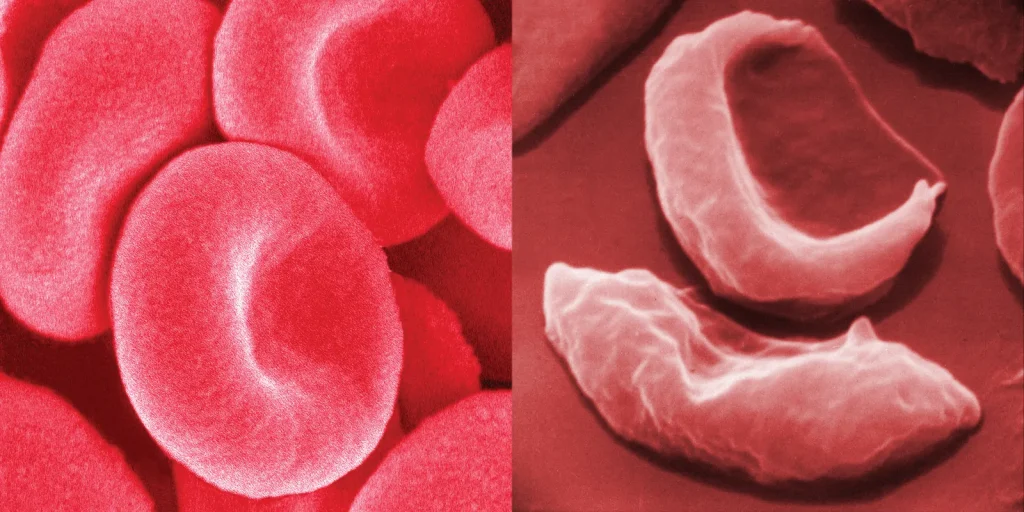
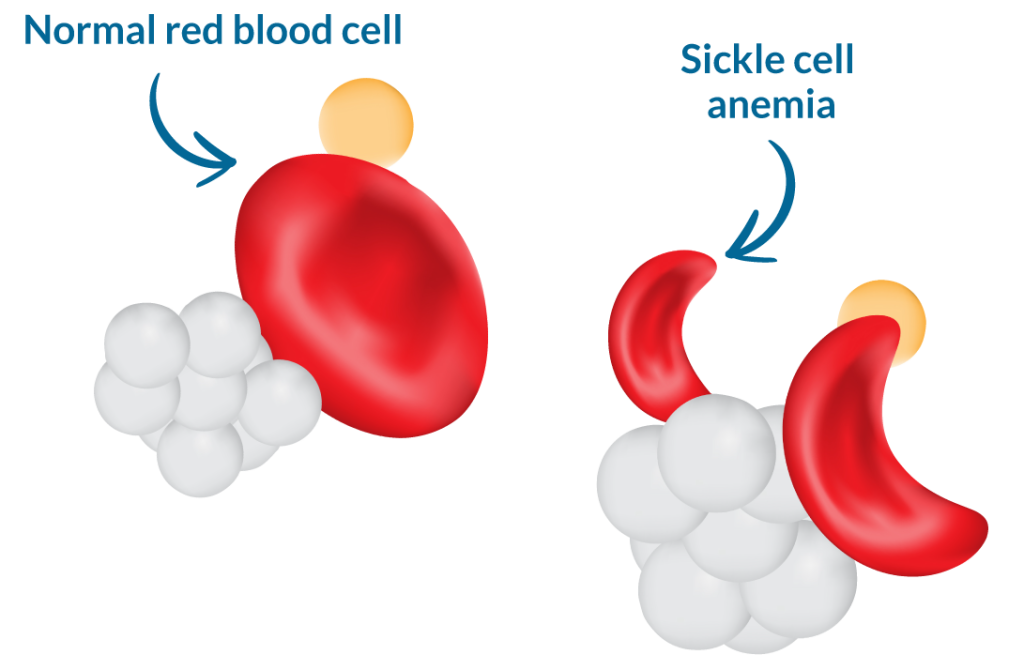
Sickle Cell Anemia is an inherited blood disorder characterized by abnormal, sickle-shaped red blood cells. These misshapen cells can block blood flow, leading to pain, organ damage, and anemia due to their shorter lifespan.
It primarily affects people of African, Mediterranean, Middle Eastern, and Indian ancestry.
What Are the Symptoms of Sickle Cell Anemia?
Symptoms often begin in early childhood and can vary in severity.
Common Symptoms
- Episodes of severe pain (called sickle cell crises)
- Fatigue and anemia (pale skin, weakness)
- Swelling in hands and feet
- Frequent infections
- Delayed growth and puberty
- Vision problems
What Causes Sickle Cell Anemia?
Sickle Cell Anemia is caused by a mutation in the hemoglobin gene inherited from both parents.
Common Causes
- Genetic mutation in the HBB gene causing abnormal hemoglobin (hemoglobin S)
- Inherited in an autosomal recessive pattern
How is Sickle Cell Anemia Diagnosed?
Diagnosis is made through blood tests.
Common Diagnostic Methods
- Newborn screening tests
- Blood smear to observe sickle-shaped cells
- Hemoglobin electrophoresis to identify abnormal hemoglobin
- Genetic testing
How is Sickle Cell Anemia Treated?
Treatment aims to reduce symptoms and prevent complications.
First-Line Treatments
- Pain management during crises (pain medications)
- Hydroxyurea to reduce sickling episodes
- Blood transfusions to treat anemia and prevent stroke
Additional Steps
- Vaccinations and antibiotics to prevent infections
- Regular checkups to monitor organ function
- Bone marrow transplant in some cases
What Are the Complications of Sickle Cell Anemia?
Complications can be severe and affect multiple organs.
Possible Complications
- Stroke
- Acute chest syndrome (lung complications)
- Organ damage (kidneys, liver, spleen)
- Increased risk of infection
- Delayed growth
How Can Sickle Cell Anemia Be Prevented?
Prevention involves genetic counseling and early diagnosis.
Tips to Prevent Complications
- Genetic counseling for at-risk couples
- Early newborn screening
- Avoiding triggers that cause sickling (dehydration, extreme temperatures)
- Prompt treatment of infections and complications
