A rapid heart rate caused by ketamine use or administration
What is Ketamine-Induced Tachycardia?
Ketamine-induced tachycardia refers to an abnormally fast heart rate that occurs as a side effect of ketamine, a dissociative anesthetic drug. While ketamine is used medically for anesthesia and pain relief—and more recently for depression—its use can lead to a stimulating effect on the cardiovascular system, resulting in elevated heart rate.
Tachycardia generally refers to a heart rate above 100 beats per minute in adults, and when linked to ketamine, it may be temporary but can be concerning in individuals with pre-existing heart conditions.
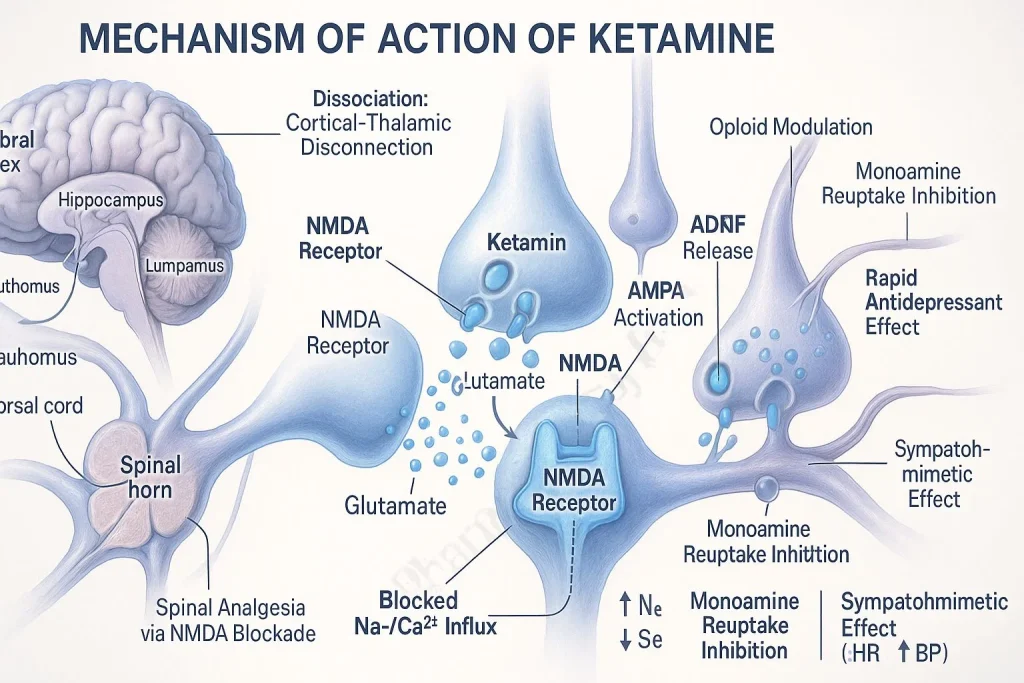
What causes Ketamine-Induced Tachycardia?
Ketamine stimulates the sympathetic nervous system, which results in:
- Increased release of adrenaline (epinephrine)
- Elevation of heart rate and blood pressure
- Decreased parasympathetic activity, which normally slows the heart
This reaction is more common with higher doses, rapid intravenous administration, or when ketamine is abused recreationally.
Who is at risk?
- People receiving high-dose ketamine anesthesia
- Individuals using recreational ketamine
- Patients with pre-existing heart disease or hypertension
- Individuals on stimulant medications or other substances
- Those with hyperthyroidism or anxiety disorders
What are the symptoms of Ketamine-Induced Tachycardia?
- Rapid heartbeat (palpitations or fluttering sensation)
- Chest discomfort or tightness
- Shortness of breath
- Dizziness or light-headedness
- Fatigue or weakness
- Anxiety or restlessness
In some cases, symptoms may be mild or go unnoticed, especially if the episode is short-lived.
What are the complications?
Although often benign in healthy individuals, ketamine-induced tachycardia can lead to:
- Worsening of underlying heart conditions
- Increased risk of arrhythmias (irregular heartbeats)
- Chest pain or heart attack in vulnerable individuals
- Reduced cardiac efficiency, especially with chronic use
- Hypertensive crisis when combined with other stimulants
How is Ketamine-Induced Tachycardia diagnosed?
Diagnosis is based on:
- Patient history, especially recent ketamine use
- Heart rate monitoring and vital signs
- Electrocardiogram (ECG) to check for abnormal rhythms
- Blood pressure measurement
- Blood tests to rule out other causes of tachycardia (e.g., electrolyte imbalance, hyperthyroidism)
How is Ketamine-Induced Tachycardia treated?
In acute medical settings:
- Stopping or reducing the ketamine dose
- Monitoring cardiac status
- Beta-blockers or calcium channel blockers may be used if the heart rate is dangerously high or symptomatic
- Oxygen therapy if needed
- IV fluids to stabilize blood pressure and circulation
In cases of chronic or recreational use:
- Cessation of ketamine use
- Cardiology consultation for ongoing symptoms
- Treatment of any underlying heart conditions
- Monitoring for other complications of substance misuse
What is the prognosis?
- In most cases, tachycardia resolves once ketamine is metabolized
- Individuals without heart disease usually recover without complications
- Repeated exposure or high doses increase the risk of long-term cardiac stress
- With appropriate care and discontinuation of ketamine use, prognosis is generally good
Can Ketamine-Induced Tachycardia be prevented?
Yes, prevention includes:
- Using ketamine only under medical supervision
- Avoiding recreational use or combining with other stimulants
- Careful dosing in medical procedures
- Pre-screening for cardiovascular risk factors
- Close monitoring during administration, especially in the elderly or those with heart conditions