What is Postherpetic Neuralgia?
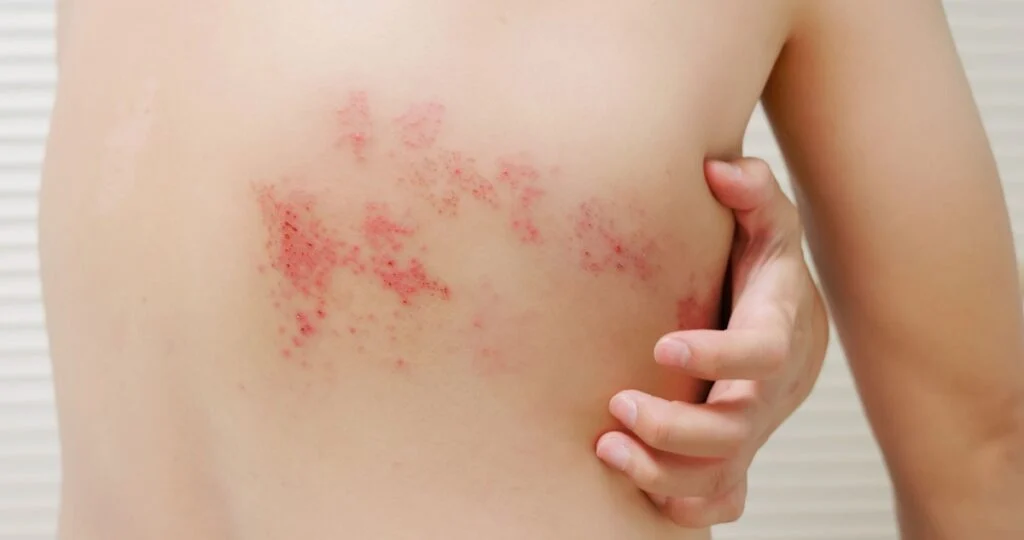
Postherpetic Neuralgia (PHN) is a nerve pain condition that occurs as a complication of shingles (herpes zoster). It happens when nerve fibers are damaged during a shingles outbreak, causing persistent pain in the affected area even after the rash has healed.
What causes Postherpetic Neuralgia?
PHN is caused by damage to the sensory nerves due to the varicella-zoster virus reactivation (shingles). The nerve injury results in abnormal nerve signaling and chronic pain.
What are the symptoms?
Symptoms typically include:
- Persistent burning, stabbing, or shooting pain in the area where shingles rash occurred
- Sensitivity to touch (allodynia), where even light contact causes pain
- Numbness or itching in the affected skin
- Pain that can last months or even years after the shingles rash has healed
How is Postherpetic Neuralgia diagnosed?
Diagnosis is based on:
- History of recent shingles infection
- Characteristic chronic pain localized to the shingles-affected area
- Physical examination ruling out other causes of pain
- Sometimes nerve conduction studies or imaging to exclude other conditions
How is it treated?
Treatment focuses on pain relief and improving quality of life:
- Medications:
- Anticonvulsants (e.g., gabapentin, pregabalin)
- Tricyclic antidepressants (e.g., amitriptyline)
- Topical treatments like lidocaine patches or capsaicin cream
- Pain relievers including opioids in severe cases
- Nerve blocks or steroid injections in some cases
- Physical therapy: To maintain function and reduce pain
- Psychological support: For coping with chronic pain
What is the prognosis?
PHN pain often improves over time but can persist for months or years in some people. Early treatment of shingles reduces the risk and severity of PHN.
What complications can occur?
- Chronic, debilitating pain affecting daily activities
- Emotional distress such as anxiety or depression due to persistent pain
- Sleep disturbances
Who is most at risk?
- Older adults, especially over 60 years
- People with weakened immune systems
- Individuals with severe shingles outbreaks

Can Postherpetic Neuralgia be prevented?
Prevention strategies include:
- Getting the shingles vaccine to reduce risk of shingles and PHN
- Early antiviral treatment during shingles outbreak to limit nerve damage
- Proper pain management during acute shingles episode
Are there support resources?
Yes, support includes:
- Pain management specialists and neurologists
- Support groups for chronic pain and shingles survivors
- Resources from organizations like the National Institute of Neurological Disorders and Stroke (NINDS) and the Centers for Disease Control and Prevention (CDC)