


What is Colon Cancer?
Colon cancer, also known as colorectal cancer, refers to cancer that begins in the colon (large intestine) or the rectum. It usually begins as small, noncancerous growths called polyps that can develop into cancer over time. Colon cancer is one of the most common types of cancer worldwide but is highly treatable when caught early.
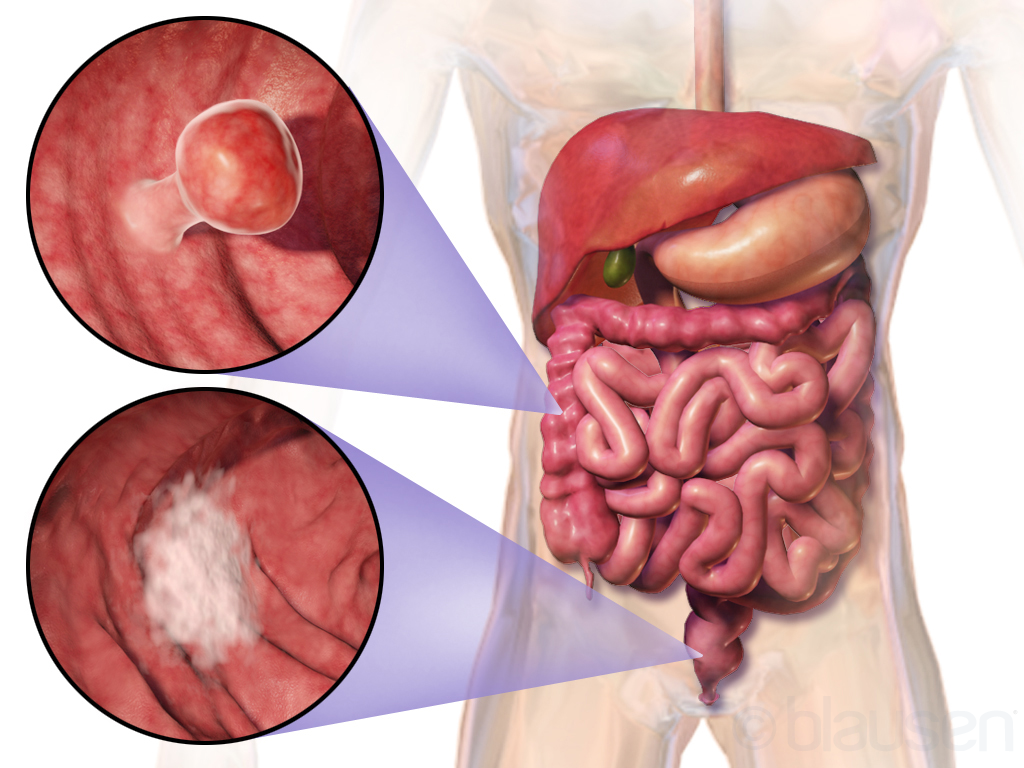
What Causes Colon Cancer?
The exact cause of colon cancer is not always clear, but several factors can increase your risk. These factors include:
- Age: Most colon cancer cases occur in people aged 50 and older.
- Family history: A family history of colon cancer or certain inherited genetic conditions, like familial adenomatous polyposis (FAP) or Lynch syndrome, increases the risk.
- Diet: A diet high in red or processed meats and low in fiber may contribute to an increased risk of colon cancer.
- Sedentary lifestyle: Lack of physical activity can raise the risk of colon cancer.
- Obesity: Being overweight or obese, particularly around the abdomen, increases the risk.
- Smoking and alcohol use: Smoking and heavy alcohol consumption can both contribute to the development of colon cancer.
- Inflammatory bowel diseases (IBD): Conditions like ulcerative colitis or Crohn’s disease can increase the risk of colon cancer, especially if these conditions are long-standing.
What Are the Symptoms of Colon Cancer?
Colon cancer symptoms can vary depending on the location and stage of the disease. Early colon cancer often has no symptoms, which is why regular screening is important. When symptoms do occur, they may include:
- Changes in bowel habits: This includes persistent diarrhea or constipation, or a feeling that your bowel doesn’t empty completely.
- Blood in the stool: This may appear as bright red or dark-colored blood.
- Unexplained weight loss: Losing weight without trying.
- Fatigue or weakness: Feeling constantly tired, which may result from anemia caused by bleeding in the colon.
- Abdominal discomfort: This can include bloating, cramps, or a sensation of fullness.
- Nausea or vomiting: Especially when the cancer causes a blockage in the colon.
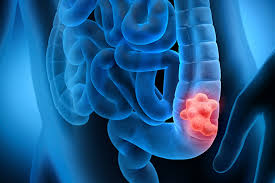
How Is Colon Cancer Diagnosed?
Several tests and procedures can be used to diagnose colon cancer. These include:
- Colonoscopy: A procedure in which a long, flexible tube with a camera is inserted into the rectum to examine the colon. If any abnormal growths are found, a biopsy can be performed to check for cancer.
- CT colonography (virtual colonoscopy): A non-invasive imaging technique used to check for abnormalities in the colon.
- Stool tests: Tests like the fecal occult blood test (FOBT) or fecal immunochemical test (FIT) check for hidden blood in the stool, which can be a sign of colon cancer.
- Blood tests: Although blood tests cannot directly diagnose colon cancer, they can provide valuable information, such as low red blood cell count (anemia) or elevated carcinoembryonic antigen (CEA) levels, which can indicate cancer.
How Is Colon Cancer Staged?
Once colon cancer is diagnosed, doctors will determine the stage of the cancer, which helps guide treatment decisions. The stages range from stage 0 (in situ), where cancer is confined to the inner lining of the colon, to stage IV, where the cancer has spread to other parts of the body, such as the liver or lungs.
The stages of colon cancer are determined by the following:
- T (Tumor): Describes the size of the primary tumor and how deeply it has invaded the colon wall.
- N (Node): Describes whether the cancer has spread to nearby lymph nodes.
- M (Metastasis): Describes whether the cancer has spread to other parts of the body.
How is Colon Cancer Treated?
Treatment for colon cancer depends on the stage and location of the cancer, as well as the person’s overall health. Common treatment options include:
- Surgery: The most common treatment for early-stage colon cancer is surgery to remove the cancerous portion of the colon. In some cases, a colostomy may be needed.
- Chemotherapy: Often used after surgery to kill any remaining cancer cells and reduce the risk of recurrence. It may also be used for advanced stages of colon cancer.
- Radiation therapy: Radiation may be used in certain cases, particularly for cancers located in the rectum.
- Targeted therapy: Targeted drugs can interfere with specific molecules involved in cancer cell growth. These are typically used for advanced colon cancer.
- Immunotherapy: For some individuals with advanced colon cancer, immunotherapy may be an option. These treatments work by stimulating the immune system to recognize and attack cancer cells.
What Are the Complications of Colon Cancer?
Colon cancer can lead to several complications, especially if not treated in the early stages. These include:
- Colon obstruction: A tumor may block the passage of stool, causing pain, bloating, and constipation.
- Perforation: If the tumor grows through the colon wall, it can create a hole that leads to infection in the abdominal cavity (peritonitis).
- Metastasis: Colon cancer can spread to other organs like the liver or lungs, making treatment more difficult.
- Anemia: Chronic bleeding from the tumor can lead to anemia, resulting in fatigue and weakness.
How Can Colon Cancer Be Prevented?
While there’s no guaranteed way to prevent colon cancer, there are several strategies that can lower your risk:
- Screening: Regular screenings, such as colonoscopies, can help detect polyps or early-stage cancer before symptoms occur. The American Cancer Society recommends that individuals at average risk start screening at age 45.
- Healthy diet: A diet high in fruits, vegetables, and whole grains, and low in red and processed meats, can help reduce the risk of colon cancer.
- Physical activity: Regular exercise helps maintain a healthy weight and reduces the risk of colon cancer.
- Avoid smoking and limit alcohol: Smoking and excessive alcohol use are both associated with an increased risk of colon cancer.
- Maintain a healthy weight: Obesity increases the risk, so maintaining a healthy weight through diet and exercise can help lower your risk.
Who Should See a Doctor?
If you experience symptoms such as unexplained weight loss, blood in your stool, or changes in your bowel habits that persist, it’s important to consult a healthcare provider. Colon cancer can be difficult to detect in its early stages, so it’s essential to discuss any concerns with a doctor, especially if you have a family history or other risk factors.
What Is the Outlook for People with Colon Cancer?
The prognosis for colon cancer depends on the stage at which it is diagnosed. When caught early, the survival rates for colon cancer are high, with more than 90% of people diagnosed with stage I colon cancer surviving for at least five years. However, if the cancer has spread to distant organs (stage IV), the survival rate decreases. Treatment options have improved significantly, and many people live for years with advanced colon cancer.