What is Angioedema?
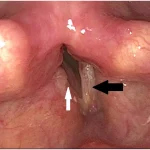
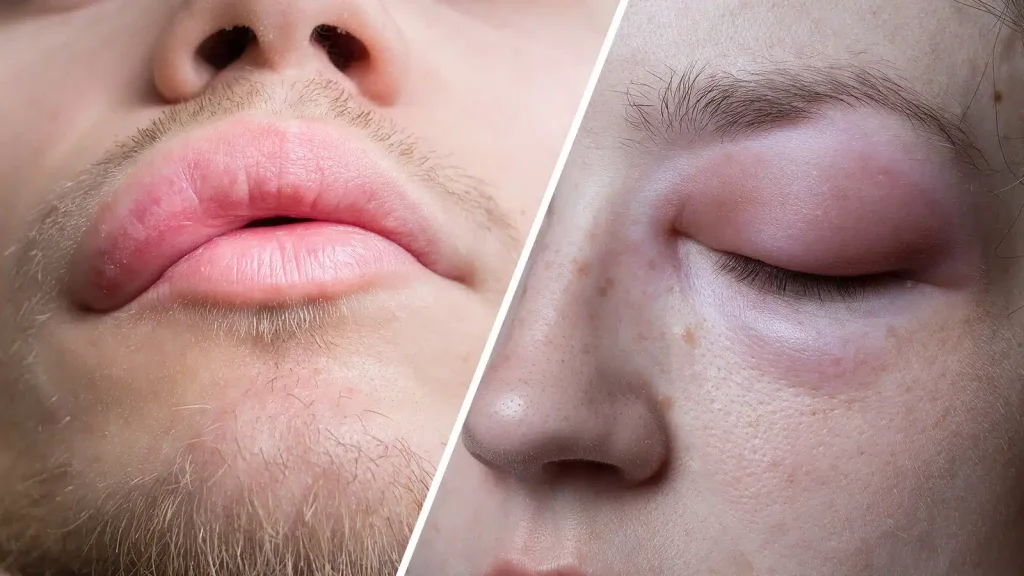
Angioedema is a swelling that occurs beneath the skin’s surface, often around the eyes, lips, throat, and sometimes hands and feet. It is a condition that causes deep swelling of the tissues and can occur with or without urticaria (hives), which is the more common skin condition with raised red welts. Angioedema can be acute or chronic, and in severe cases, it can lead to life-threatening complications, especially if it involves the airway.
What Are the Symptoms of Angioedema?
1. Common Symptoms?
- Swelling under the skin? Most often occurs around the eyes, lips, and throat.
- Pain or tenderness in the swollen areas?
- Difficulty breathing or swallowing? This can occur if the swelling affects the throat.
- Hives (urticaria)? In some cases, angioedema occurs with visible hives.
- Abdominal pain? When swelling occurs in the digestive tract, it can cause bloating or pain.
- Discoloration of the skin? Affected areas may appear red or slightly purple, though it’s more often skin-colored.
2. Symptoms of Severe Angioedema?
- Swelling in the throat or tongue? Can block airways and cause difficulty breathing.
- Rapid onset of symptoms? Swelling can occur suddenly and may worsen quickly.
- Severe abdominal pain? In rare cases, swelling of the digestive tract can lead to nausea and vomiting.
What Causes Angioedema?
Angioedema can result from a variety of triggers, including allergic reactions, medications, or hereditary factors. The main causes include:
1. Allergic Reactions?
- Food allergies? Common triggers include peanuts, shellfish, and dairy.
- Insect stings or bites? Can trigger a reaction in some individuals.
- Medications? Common drugs, like penicillin, ACE inhibitors, and aspirin, may cause angioedema.
- Pollen or other allergens? Can lead to angioedema, especially in combination with urticaria.
2. Hereditary Angioedema (HAE)?
- Inherited condition? A genetic mutation in C1 esterase inhibitor (C1-INH) causes recurrent angioedema.
- Occurs without hives? Unlike other forms, hereditary angioedema typically does not cause hives but can cause severe, recurrent swelling.
3. Idiopathic Angioedema?
- In some cases, the cause of angioedema is unknown, known as idiopathic angioedema.
4. Autoimmune or Inflammatory Conditions?
- Conditions like lupus or rheumatoid arthritis can trigger angioedema as part of an autoimmune response.
5. Medication Side Effects?
- ACE inhibitors, often used for high blood pressure, are a known cause of angioedema.
- Nonsteroidal anti-inflammatory drugs (NSAIDs) can sometimes trigger swelling.
6. Infections?
- Viral infections such as hepatitis, mononucleosis, or influenza can cause an immune reaction that triggers angioedema.

How Is Angioedema Diagnosed?
Diagnosis of angioedema involves a comprehensive assessment of medical history, symptoms, and sometimes lab tests to identify the cause.
1. Medical History & Physical Examination?
- A doctor will ask about your symptoms, including when the swelling started, any potential triggers (like medications, foods, or allergies), and whether you have a family history of hereditary angioedema.
- A physical exam will help the doctor assess the areas of swelling and determine the extent of involvement.
2. Blood Tests?
- Blood tests may be conducted to check for C1 esterase inhibitor levels (for hereditary angioedema) or allergy testing to identify potential triggers.
- Complete blood count (CBC) can help identify infections or inflammation.
3. Skin Tests (Allergy Tests)?
- If an allergy is suspected, skin prick tests or blood tests can help identify specific allergens that might be causing the reaction.
4. Genetic Testing?
- If hereditary angioedema is suspected, a genetic test for mutations in the C1 esterase inhibitor gene may be done.
How Is Angioedema Treated?
Treatment for angioedema focuses on reducing swelling, managing symptoms, and preventing life-threatening complications.
1. Medications?
- Antihistamines? These can help manage allergic reactions and relieve swelling in mild cases.
- Corticosteroids (steroids)? Can reduce inflammation and swelling, especially in severe cases.
- Epinephrine (adrenaline)? In emergency situations (e.g., if there is difficulty breathing), epinephrine may be given.
- C1 esterase inhibitors? For hereditary angioedema, C1-INH replacement therapy may be used to prevent episodes of swelling.
- Angiotensin-converting enzyme (ACE) inhibitors? In the case of medication-induced angioedema (especially from ACE inhibitors), these medications should be discontinued.
2. Avoiding Triggers?
- Avoiding known allergens or irritants is critical in preventing further episodes of angioedema.
- Avoiding medications that are known to trigger swelling (e.g., ACE inhibitors).
3. Lifestyle Changes?
- In cases of allergic angioedema, eliminating food allergens or environmental triggers can prevent future flare-ups.
4. Emergency Treatment (for Severe Cases)?
- Hospitalization may be required if the swelling affects the airway or if there is a severe reaction. Intravenous fluids, medications, and sometimes intubation (breathing tube) may be necessary.
What Are the Potential Complications of Angioedema?
While angioedema itself is usually not life-threatening, complications can arise, particularly when swelling occurs in the throat or airways, leading to difficulty breathing or even suffocation. Other complications include:
1. Difficulty Breathing or Swallowing?
- If swelling occurs in the throat or tongue, it can block the airway, leading to an emergency situation.
2. Psychological Impact?
- Recurrent episodes of swelling can cause stress or anxiety about potential flare-ups and their unpredictability.
3. Chronic Swelling?
- For individuals with hereditary angioedema, recurrent swelling episodes can affect the quality of life.
How to Manage Angioedema for a Better Quality of Life?
With appropriate care and management, many people with angioedema can lead a normal life. Here are some tips for managing the condition:
1. Follow Prescribed Treatment?
- Adhere to prescribed medications and avoid known triggers.
- C1 esterase inhibitor treatment is essential for those with hereditary angioedema.
2. Emergency Preparedness?
- Carry an epinephrine auto-injector if you are at risk of severe reactions.
- Wear a medical alert bracelet to notify others of your condition in case of emergency.
3. Stress Management?
- Managing stress can help reduce flare-ups, especially for individuals with autoimmune conditions.
4. Regular Monitoring?
- For individuals with hereditary angioedema, routine check-ups with a specialist are important to manage the condition effectively.