


What is Temporal Lobe Epilepsy?
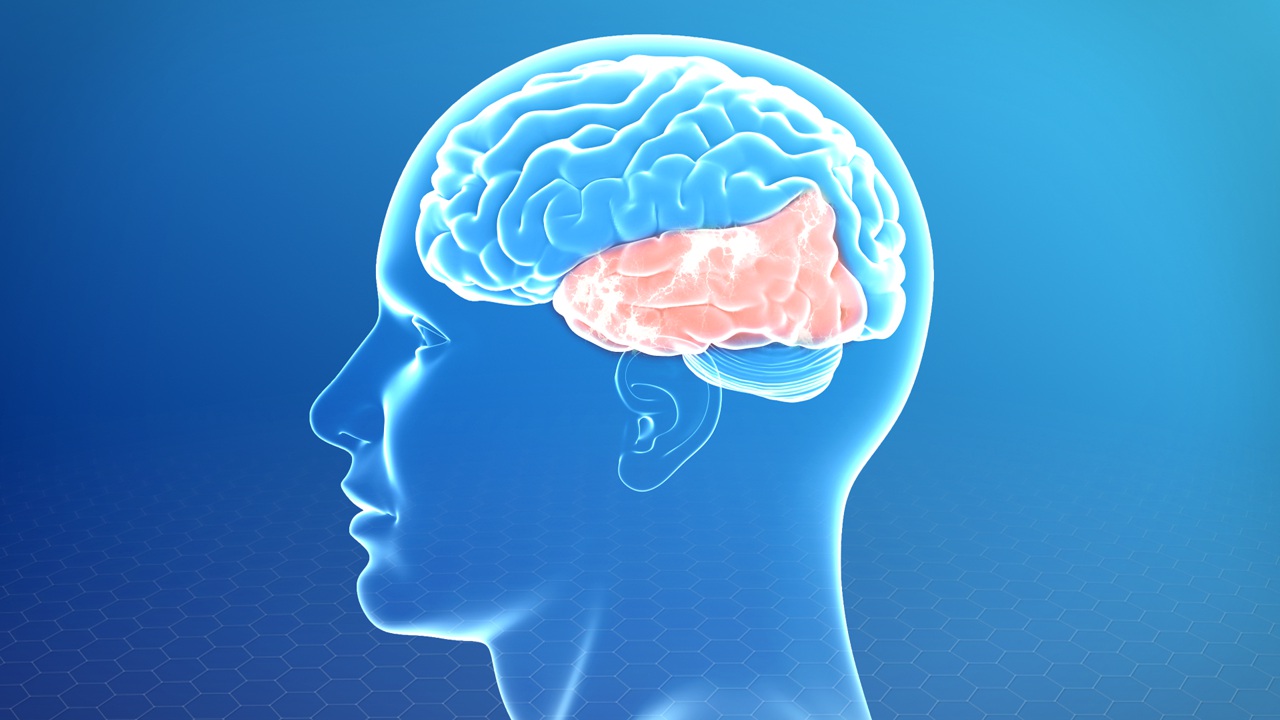
Temporal Lobe Epilepsy (TLE) is a type of focal epilepsy that originates in the temporal lobes of the brain. It is the most common form of partial (focal) epilepsy and often causes seizures that affect behavior, emotions, and memory.
What Causes Temporal Lobe Epilepsy?
TLE can be caused by:
- Brain injury or trauma.
- Infections such as encephalitis.
- Stroke or brain tumors.
- Developmental abnormalities in the temporal lobe.
- Scarring or sclerosis of the hippocampus (mesial temporal sclerosis).
In many cases, the exact cause is unknown.
What are the Symptoms of Temporal Lobe Epilepsy?
Symptoms typically include:
- Aura: A warning sensation before a seizure, such as a strange smell, taste, or feeling.
- Complex partial seizures: Loss of awareness with automatisms like lip-smacking or hand movements.
- Altered emotions such as fear or déjà vu.
- Memory disturbances.
- Seizures lasting 1 to 2 minutes, sometimes progressing to generalized seizures.
How is Temporal Lobe Epilepsy Diagnosed?
Diagnosis involves:
- Detailed history and description of seizures.
- Electroencephalogram (EEG) to detect abnormal brain waves.
- MRI scans to identify structural changes in the temporal lobe.
- Video EEG monitoring in some cases to capture seizure activity.
How is Temporal Lobe Epilepsy Treated?
Treatment options include:
- Antiepileptic drugs to control seizures.
- Surgery to remove the affected part of the temporal lobe if medications fail.
- Vagus nerve stimulation or other neurostimulation therapies in some cases.
- Lifestyle modifications to avoid seizure triggers.
What is the Prognosis for Temporal Lobe Epilepsy?
Many people respond well to medications. Surgery can offer a cure or significant improvement in drug-resistant cases. Without treatment, seizures may worsen and impact quality of life.
Can Temporal Lobe Epilepsy Be Prevented?
Prevention is difficult but managing risk factors such as brain injuries and infections can help reduce the chance of developing TLE.
When Should You See a Doctor?
See a doctor if you experience:
- Recurrent seizures or seizure-like episodes.
- Auras or unusual sensory experiences.
- Seizures lasting longer than 5 minutes or multiple seizures without recovery.
Early diagnosis and treatment improve outcomes.