


What is Acute Bronchitis?
Acute Bronchitis is a temporary inflammation of the bronchial tubes (airways leading to the lungs), causing coughing, mucus production, and breathing difficulties. It is often caused by viral infections but can also result from bacterial infections or environmental factors like pollution and smoking.
Acute bronchitis typically lasts less than three weeks and is not the same as chronic bronchitis, which is a long-term condition.
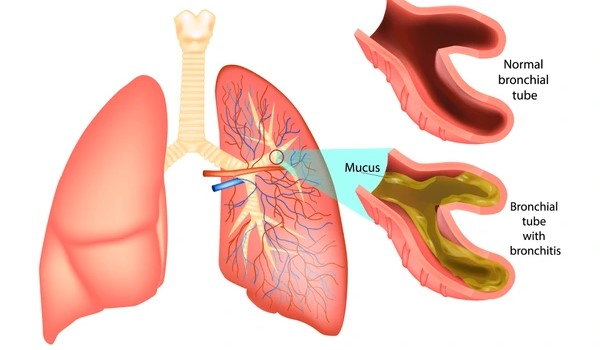
What Causes Acute Bronchitis?
The most common cause is viral infections, similar to those that cause the common cold and flu.
Other Causes & Risk Factors:
- Viral infections (e.g., influenza, rhinovirus, RSV, coronavirus)
- Bacterial infections (less common)
- Exposure to smoke, dust, chemicals, or air pollution
- Weakened immune system (due to illness, aging, or medical conditions)
- Gastroesophageal reflux disease (GERD) (acid reflux can irritate airways)
What Are the Symptoms of Acute Bronchitis?
Acute bronchitis symptoms often start after a cold or flu and worsen over a few days.
Common Signs & Symptoms:
- Persistent cough (dry or with mucus)
- Clear, yellow, or green mucus production
- Sore throat and chest discomfort
- Shortness of breath or wheezing
- Fatigue and body aches
- Mild fever and chills
- Runny or stuffy nose (if associated with a cold)
The cough can last up to three weeks, even after other symptoms improve.
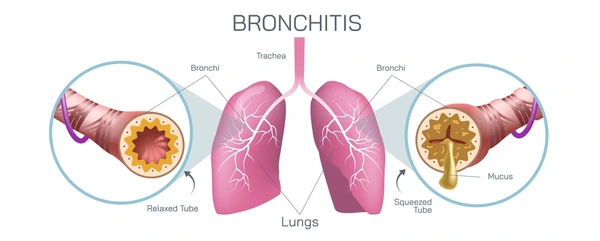
How is Acute Bronchitis Diagnosed?
Doctors diagnose acute bronchitis based on symptoms and physical examination.
Diagnostic Tests May Include:
- Physical Examination – Listening to lung sounds for wheezing or congestion.
- Chest X-ray – Only needed if pneumonia is suspected.
- Sputum Test – Identifies bacterial infections if mucus is thick or discolored.
- Pulmonary Function Test (Spirometry) – Checks for asthma or chronic lung disease if wheezing persists.
- COVID-19 or Flu Test – To rule out viral infections.
What Are the Treatment Options for Acute Bronchitis?
Most cases of acute bronchitis are viral, so antibiotics are usually not needed. Treatment focuses on symptom relief and helping the body recover.
1. Home Remedies & Lifestyle Changes:
- Rest and stay hydrated (helps thin mucus)
- Use a humidifier or steam inhalation to ease congestion
- Drink warm fluids like tea, honey, and soups
- Avoid smoke, dust, and strong odors
- Use honey or lozenges to soothe a sore throat and cough
2. Medications for Symptom Relief:
- Cough suppressants (Dextromethorphan) – For dry cough at night
- Expectorants (Guaifenesin) – Helps clear mucus
- Pain relievers (Ibuprofen, Acetaminophen) – Reduces fever and body aches
- Bronchodilators (Albuterol inhalers) – For wheezing or breathing difficulty
- Antibiotics – Only prescribed if a bacterial infection is confirmed
Can Acute Bronchitis Cause Complications?
Most cases resolve without complications, but in some cases, it can lead to:
- Pneumonia (infection spreads to the lungs)
- Chronic bronchitis (if irritation persists, common in smokers)
- Worsening of asthma or COPD symptoms
How Can Acute Bronchitis Be Prevented?
- Wash hands regularly to prevent infections
- Avoid close contact with sick individuals
- Quit smoking and avoid secondhand smoke
- Get the flu vaccine and COVID-19 vaccine
- Wear a mask in polluted or dusty environments