


What is Limb-Girdle Muscular Dystrophy (LGMD)?
Limb-girdle muscular dystrophy (LGMD) refers to a group of genetic disorders that cause progressive muscle weakness, primarily affecting the muscles around the hips and shoulders (the limb-girdle region). These muscles are essential for movement, and as they weaken, individuals may experience difficulty with tasks like walking, climbing stairs, and raising their arms. The severity of LGMD can vary greatly, and some forms progress more rapidly than others.
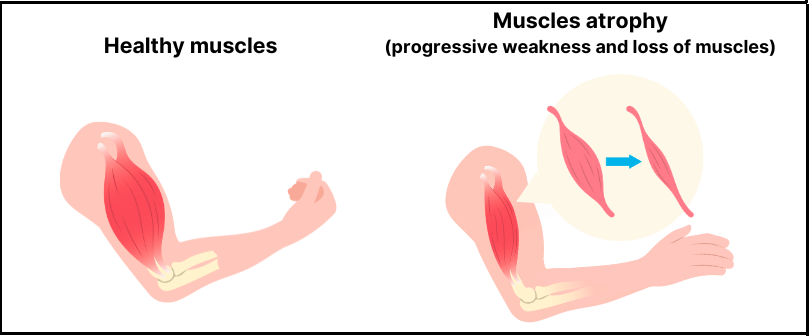
What Are the Causes of Limb-Girdle Muscular Dystrophy (LGMD)?
LGMD is caused by mutations in specific genes that are involved in muscle function and structure. These mutations disrupt the production of proteins that are crucial for maintaining healthy muscle cells. There are several types of LGMD, and the underlying cause varies based on the genetic mutation:
- Autosomal Dominant LGMD: In this form, only one copy of the mutated gene is needed to cause the disorder. A parent with the mutated gene has a 50% chance of passing it on to their child.
- Autosomal Recessive LGMD: This form requires two copies of the mutated gene (one from each parent) for the condition to develop. If only one copy of the gene is inherited, the person is a carrier but will not show symptoms.
Mutations can affect various proteins, including dystrophin, sarcoglycans, and dystroglycans, leading to muscle damage and weakness over time.
What Are the Symptoms of Limb-Girdle Muscular Dystrophy (LGMD)?
The symptoms of LGMD generally begin in childhood or early adulthood and tend to progress slowly over time. Key symptoms include:
- Muscle Weakness: The primary symptom is progressive muscle weakness, which often starts in the hips and shoulders and may extend to the arms and legs.
- Difficulty Walking: As the hip and thigh muscles weaken, individuals may find it harder to walk, climb stairs, or rise from a seated position.
- Weakness in Upper Limbs: The shoulders, arms, and neck may also become weak, making it difficult to raise the arms or carry objects.
- Waddling Gait: Due to weakness in the pelvic muscles, individuals may develop a waddling walk.
- Muscle Cramps or Pain: Some individuals experience cramps or muscle pain as the condition progresses.
- Cardiac and Respiratory Issues: In some cases, LGMD can affect the heart and lungs, leading to respiratory difficulties or heart problems.

How is Limb-Girdle Muscular Dystrophy (LGMD) Diagnosed?
Diagnosis of LGMD typically involves a combination of clinical evaluation, family history, and several diagnostic tests:
- Physical Examination: A doctor will assess muscle strength, coordination, and reflexes, looking for signs of muscle weakness.
- Genetic Testing: To confirm the diagnosis, genetic testing may be performed to identify the specific mutations associated with LGMD.
- Muscle Biopsy: A sample of muscle tissue may be taken for examination under a microscope to look for characteristic changes associated with LGMD.
- Blood Tests: Elevated levels of creatine kinase (CK), an enzyme released during muscle damage, may be found in blood tests.
- Electromyography (EMG): This test assesses the electrical activity in muscles, helping to identify muscle dysfunction.
- MRI: MRI imaging can be used to evaluate muscle damage and assess the degree of muscle wasting.
What Are the Treatment Options for Limb-Girdle Muscular Dystrophy (LGMD)?
There is currently no cure for LGMD, but treatment focuses on managing symptoms, slowing the progression of the disease, and improving quality of life. Treatment options include:
- Physical Therapy: A structured physical therapy program can help maintain muscle strength, flexibility, and function. Regular exercise, including low-impact activities like swimming, may help reduce muscle stiffness and maintain mobility.
- Occupational Therapy: Occupational therapists can assist with adapting daily activities to improve independence and help with tasks that require fine motor skills.
- Orthopedic Devices: Braces or wheelchairs may be necessary to support weakened muscles and improve mobility.
- Medications: Steroids may be prescribed in some cases to help reduce inflammation and muscle damage, although their effectiveness varies.
- Cardiac and Respiratory Care: If heart or lung problems develop, treatment may include medications or interventions to manage these complications.
- Surgical Intervention: In some cases, surgery may be necessary to address joint deformities, contractures, or scoliosis (curvature of the spine).
What Are the Possible Complications of Limb-Girdle Muscular Dystrophy (LGMD)?
If not properly managed, LGMD can lead to several complications:
- Loss of Mobility: As muscle weakness progresses, individuals may eventually become unable to walk without assistance.
- Respiratory Failure: Weakening of respiratory muscles can lead to difficulty breathing and may require ventilation support.
- Cardiac Issues: Some forms of LGMD affect the heart muscles, leading to heart failure or arrhythmias.
- Muscle Contractures: As muscles weaken, the joints may become stiff, and contractures (shortening of muscles or tendons) can occur, limiting movement.
- Scoliosis: Spinal deformities like scoliosis may develop as a result of muscle weakness and imbalance.
How Can Limb-Girdle Muscular Dystrophy (LGMD) Be Prevented?
Since LGMD is a genetic condition, it cannot be prevented. However, genetic counseling may be helpful for families with a history of the condition. Early diagnosis and intervention can help manage symptoms and slow progression, improving quality of life for those affected.
When Should You See a Doctor?
You should see a doctor if you or a family member experience unexplained muscle weakness, difficulty walking, or any of the other symptoms associated with LGMD. Early diagnosis and management are important to optimize treatment and prevent complications.