


What Is an Impalement Injury?
An impalement injury occurs when a foreign object forcefully penetrates and remains lodged in the body. This can happen due to accidents involving sharp or pointed objects like metal rods, wood, glass, or construction materials. These injuries are traumatic, often life-threatening, and require immediate medical attention.
Impalement injuries can involve muscles, blood vessels, nerves, organs, or bones, depending on where the object enters the body.
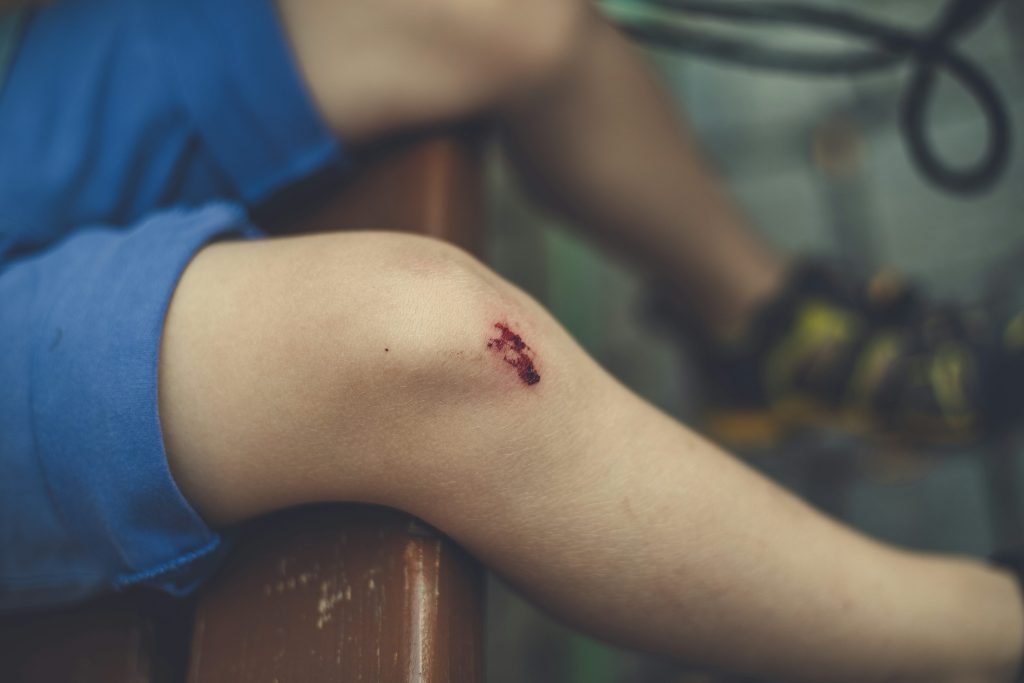
What Causes an Impalement Injury?
These injuries usually result from severe accidents, including:
- Motor vehicle collisions
- Falls from height, especially onto sharp objects
- Construction or industrial accidents
- Violent assaults involving weapons
- Sporting injuries (e.g., pole vaulting, biking)
- Home accidents involving tools or broken objects
What Are the Types of Impalement Injuries?
Impalement injuries are typically classified into two main types:
- Type 1: The body moves and becomes impaled on a stationary object (e.g., falling onto a spike).
- Type 2: A moving object impales a stationary person (e.g., a projectile in a car crash).
These injuries may be further categorized based on the location:
- Abdominal
- Thoracic (chest)
- Cranial (head or face)
- Pelvic
- Extremities (arms or legs)
What Are the Symptoms of an Impalement Injury?
Symptoms vary depending on the location and severity of the injury. Common signs include:
- Visible object penetrating the body
- Severe bleeding (external or internal)
- Intense pain
- Swelling or bruising
- Limited movement or paralysis if nerves are affected
- Shortness of breath, especially in chest injuries
- Signs of shock (pale skin, rapid heartbeat, low blood pressure)
- Organ dysfunction if internal organs are involved
Immediate and proper handling is critical—do not remove the object yourself.
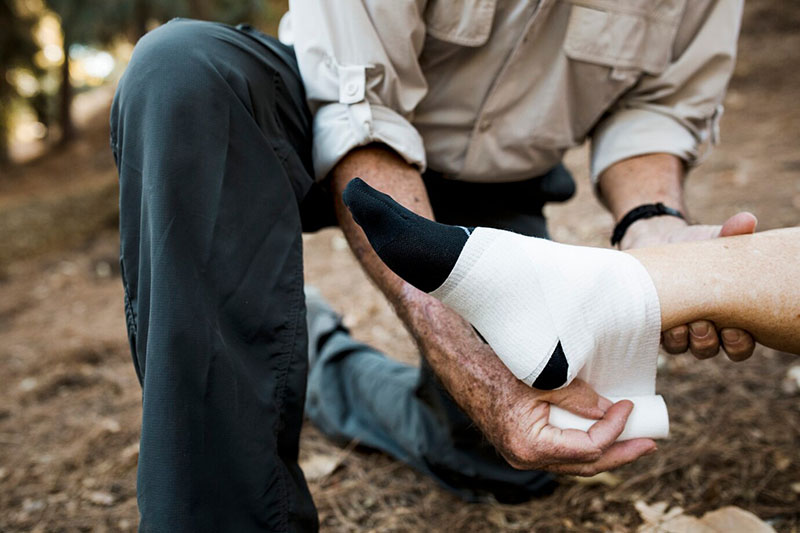
How Is an Impalement Injury Diagnosed?
Diagnosis is based on:
- Visual assessment of the wound and object
- Vital signs monitoring to check for shock
- Imaging tests such as:
- X-ray (to see the object’s position)
- CT scan (to assess internal damage)
- Ultrasound (to detect bleeding or fluid in the abdomen)
- Physical examination to check for vascular or nerve damage
How Is an Impalement Injury Treated?
1. Pre-Hospital Care
- Do NOT remove the object—this can cause fatal bleeding
- Stabilize the object in place using dressings or padding
- Control external bleeding with pressure (if safe)
- Call emergency services immediately
2. Hospital Management
- Resuscitation with IV fluids or blood if in shock
- Pain management and sedation
- Antibiotics to prevent infection
- Tetanus prophylaxis if needed
- Imaging to plan safe removal
3. Surgical Intervention
- Removal is done in a controlled surgical setting
- Surgeons repair any damaged organs, vessels, or tissues
- In some cases, reconstructive surgery or orthopedic repair is necessary
4. Postoperative Care
- Wound care and infection prevention
- Physical therapy for limb or mobility injuries
- Psychological support if trauma leads to anxiety or PTSD
What Are the Potential Complications?
If not managed properly, impalement injuries can lead to:
- Severe bleeding or hemorrhagic shock
- Infections (especially with contaminated objects)
- Organ damage or failure
- Nerve injury leading to weakness or paralysis
- Amputation in extreme limb injuries
- Scarring or disfigurement
- Death, especially if major organs or arteries are affected
Can Impalement Injuries Be Prevented?
While not always preventable, the risk can be reduced by:
- Using proper safety equipment (helmets, guards, harnesses)
- Following safety protocols on construction or work sites
- Securing sharp tools and objects at home and work
- Avoiding high-risk behaviors (e.g., reckless driving, dangerous stunts)
- Childproofing sharp-edged furniture or garden tools in homes
When Should You Seek Medical Help?
Always seek emergency medical care immediately if:
- A person is impaled by any object
- There is severe bleeding
- The person is unconscious or disoriented
- You see signs of shock or distress
- The wound is deep or large, even if the object is removed