


What Is an Epidural Abscess?
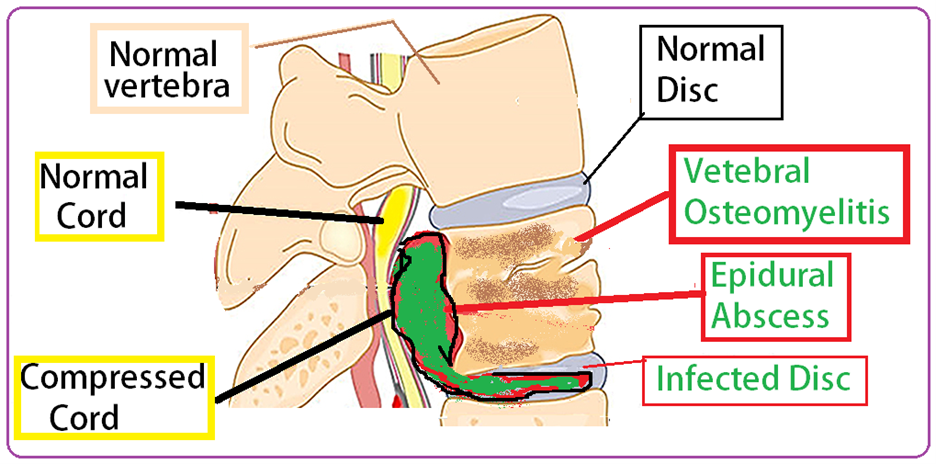
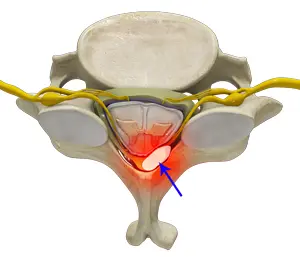
An epidural abscess is a rare but serious medical condition in which a pocket of pus forms between the outer covering of the spinal cord (the dura mater) and the bones of the spine. This infection can compress the spinal cord or nerves, potentially leading to severe neurological problems, including paralysis if not treated quickly.
It’s considered a medical emergency that requires prompt diagnosis and treatment. Epidural abscesses can occur at any level of the spine—cervical, thoracic, lumbar, or sacral.
What Causes an Epidural Abscess?
An epidural abscess is caused by a bacterial infection, most commonly by Staphylococcus aureus (including MRSA), though other types of bacteria may also be involved. The infection can develop in several ways:
- Spread from a nearby infection, such as a skin or soft tissue infection.
- Direct introduction during medical procedures, like spinal injections, epidurals, or surgery.
- Spread through the bloodstream (hematogenous spread) from distant sites like the urinary tract or lungs.
Common risk factors include:
- Recent spinal surgery or spinal injection
- Trauma to the back or spine
- IV drug use
- Weakened immune system (from diabetes, HIV, cancer, or immunosuppressive therapy)
- Chronic infections or abscesses in other areas of the body
What Are the Symptoms of an Epidural Abscess?
The symptoms can vary depending on the location and severity of the abscess. Symptoms typically progress in stages and may include:
- Severe back pain that is localized and persistent
- Fever and chills
- Tenderness over the spine
- Weakness or numbness in the arms or legs
- Difficulty walking
- Loss of bladder or bowel control
- Paralysis in severe cases
Early stages may only show pain and fever, but neurological symptoms can develop quickly, making early diagnosis essential.
How Is an Epidural Abscess Diagnosed?
Diagnosis usually involves a combination of physical exams, lab tests, and imaging studies:
- Medical history and physical exam: A doctor will check for symptoms and risk factors.
- Blood tests: May show signs of infection, like elevated white blood cell count or C-reactive protein (CRP).
- MRI scan: The most accurate imaging test to detect spinal infections and abscesses.
- CT scan: May be used if MRI is not available.
- Blood cultures: To identify the bacteria causing the infection.
- Spinal aspiration or biopsy: In some cases, a sample of the abscess fluid is taken for lab analysis.
How Is an Epidural Abscess Treated?
Treatment must begin as soon as the diagnosis is made to avoid permanent damage. The main treatment options include:
- Intravenous (IV) antibiotics: Broad-spectrum antibiotics are started immediately, then tailored based on culture results. Treatment usually lasts 4–6 weeks or longer.
- Surgical drainage: If there’s significant spinal cord compression, neurological symptoms, or failure of antibiotic treatment alone, surgery may be required to remove the abscess.
- Pain management: Medications to relieve severe back pain may be prescribed during recovery.
- Supportive care: Physical therapy or rehabilitation may be needed if there’s weakness or paralysis.
What Are the Possible Complications?
If not treated promptly, an epidural abscess can lead to:
- Permanent spinal cord damage
- Paralysis
- Chronic pain
- Sepsis (life-threatening blood infection)
- Death, in severe untreated cases
When Should You See a Doctor?
Seek immediate medical attention if you or someone else experiences:
- Severe back pain along with fever
- Numbness, weakness, or tingling in the arms or legs
- Loss of bladder or bowel control
- Recent spinal procedures with new onset of back pain and fever
Early intervention is critical to prevent lasting complications.
Can an Epidural Abscess Be Prevented?
While not all cases can be prevented, you can lower your risk by:
- Avoiding IV drug use
- Managing chronic conditions, like diabetes or immune disorders
- Maintaining good hygiene during medical procedures
- Promptly treating infections elsewhere in the body