


What Is Kidney Hypoplasia?
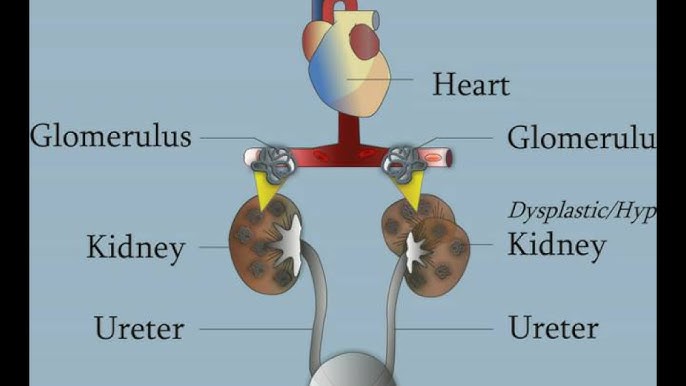
Kidney hypoplasia is a congenital condition in which one or both kidneys are smaller than normal because they did not fully develop in the womb. Despite being underdeveloped, the kidney usually has normal structure and can function, although its performance may be limited depending on the severity.
Kidney hypoplasia is different from kidney dysplasia, which involves abnormal development of kidney tissue. It can be unilateral (one kidney) or bilateral (both kidneys), with bilateral cases being more serious.
Causes
Kidney hypoplasia is primarily congenital, meaning it is present at birth. Causes may include:
- Genetic mutations
- Intrauterine growth restriction (IUGR)
- Poor blood flow to the kidney during fetal development
- Exposure to certain medications or infections during pregnancy
- Maternal diabetes or malnutrition
In many cases, the exact cause may remain unknown.
Types
- Unilateral Kidney Hypoplasia: Only one kidney is underdeveloped. The other kidney usually compensates by growing larger and functioning more efficiently.
- Bilateral Kidney Hypoplasia: Both kidneys are underdeveloped. This can lead to chronic kidney disease or kidney failure early in life.

Symptoms
Symptoms depend on whether one or both kidneys are affected and how well they function. Many people with unilateral kidney hypoplasia have no symptoms. In symptomatic cases, signs may include:
- High blood pressure (hypertension)
- Frequent urinary tract infections (UTIs)
- Protein or blood in the urine
- Growth delays in children
- Swelling in the legs or around the eyes (edema)
- Signs of reduced kidney function or failure
Diagnosis
Kidney hypoplasia is often diagnosed during prenatal ultrasound or in early childhood. Diagnostic methods include:
- Ultrasound imaging – to visualize kidney size and structure
- Voiding cystourethrogram (VCUG) – to check for urinary reflux
- Nuclear medicine scans (DMSA or MAG3) – to assess function
- Blood tests – for kidney function (creatinine, GFR)
- Urine tests – for protein, blood, or infection
- Genetic testing – in suspected hereditary cases
Treatment
There is no cure to reverse hypoplasia, but treatment focuses on preserving kidney function and preventing complications:
- Regular monitoring of kidney function and blood pressure
- Treatment of UTIs to avoid further damage
- Medications like ACE inhibitors to control blood pressure and reduce proteinuria
- Dietary management – low sodium, adequate hydration, and monitoring of protein intake
- Avoiding nephrotoxic drugs (like NSAIDs)
- Kidney replacement therapy (dialysis or transplant) in advanced cases
Children with bilateral hypoplasia may require early intervention, including pediatric nephrology care and sometimes transplant evaluation.
Prognosis
- Unilateral hypoplasia often has a good prognosis if the remaining kidney stays healthy.
- Bilateral hypoplasia can lead to chronic kidney disease (CKD) or end-stage renal disease (ESRD) in childhood or adolescence.
- Lifelong follow-up is essential to monitor kidney function and growth, especially in children.
Prevention and Monitoring
Kidney hypoplasia cannot always be prevented, but the following can help:
- Prenatal care and avoiding harmful substances during pregnancy
- Genetic counseling for families with a history of kidney anomalies
- Regular pediatric check-ups for early detection of growth or urinary issues
- Routine kidney function tests in children diagnosed with unilateral hypoplasia
Kidney hypoplasia is a lifelong condition, but with proper care, many individuals—especially those with unilateral involvement—can live normal and healthy lives. Early detection, regular monitoring, and protective management are key to preserving long-term kidney function.