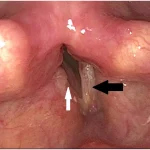
What Is Rhabdomyosarcoma?
Rhabdomyosarcoma (RMS) is a rare and aggressive cancer originating from primitive mesenchymal cells that typically differentiate into skeletal muscle tissue. While it predominantly affects children and adolescents, RMS can also occur in adults. The tumor can develop in various parts of the body, including the head and neck region, urinary and reproductive organs, arms, legs, and trunk.
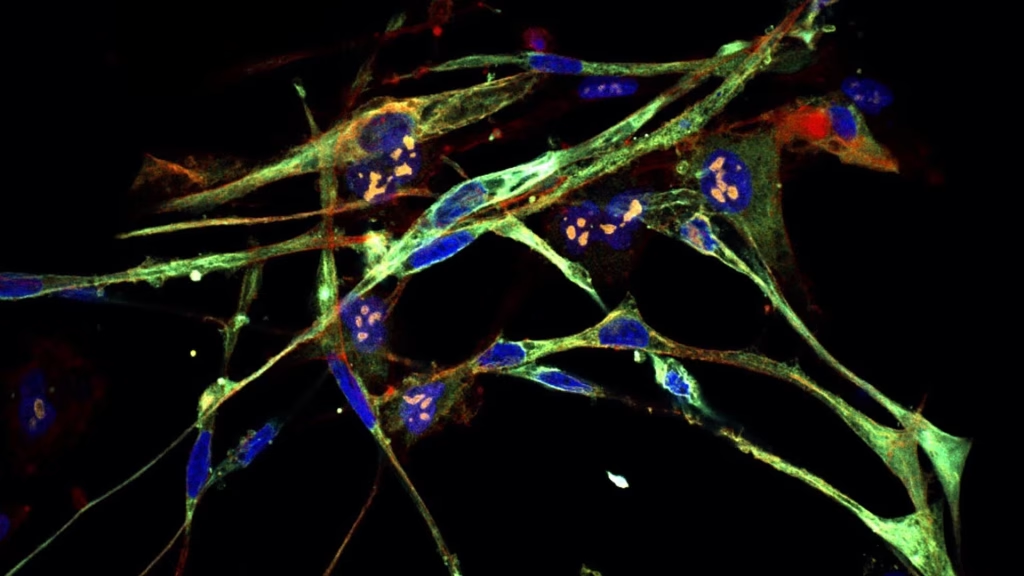
What Causes Rhabdomyosarcoma?
The exact cause of RMS remains unclear, but several factors may contribute:
- Genetic Mutations: Certain chromosomal translocations, such as t(2;13) and t(1;13), result in fusion genes (e.g., PAX3-FOXO1) associated with RMS development.
- Inherited Syndromes: Conditions like Li-Fraumeni syndrome, Beckwith-Wiedemann syndrome, and neurofibromatosis type 1 increase the risk of RMS.
- Age and Gender: RMS predominantly affects children under 10 years old and is slightly more common in males.
What Are the Symptoms of Rhabdomyosarcoma?
Symptoms vary depending on the tumor’s location:
- Head and Neck: Headaches, bulging eyes, nasal congestion, or bleeding.
- Urinary and Reproductive Organs: Blood in urine, difficulty urinating, vaginal or testicular masses.
- Extremities: Painless lumps or swelling in arms or legs.
- Abdomen: Abdominal pain, constipation, or vomiting.
Early detection is crucial, as RMS can spread rapidly to other parts of the body.
How Is Rhabdomyosarcoma Diagnosed?
Diagnosis involves a combination of:
- Physical Examination: Assessing for lumps or swelling.
- Imaging Tests: MRI, CT scans, or PET scans to determine tumor size and spread.
- Biopsy: Removing a tissue sample for histological analysis.
- Genetic Testing: Identifying specific chromosomal translocations or mutations.
Accurate staging is essential to guide treatment decisions.
What Are the Treatment Options for Rhabdomyosarcoma?
Treatment typically involves a multidisciplinary approach:
- Surgery: Removing the tumor when feasible.
- Chemotherapy: Using drugs to kill cancer cells or shrink tumors before surgery.
- Radiation Therapy: Targeting residual cancer cells post-surgery or when surgery isn’t possible.
- Clinical Trials: Exploring new therapies, including targeted treatments and immunotherapy.
Treatment plans are tailored based on tumor type, location, and stage.
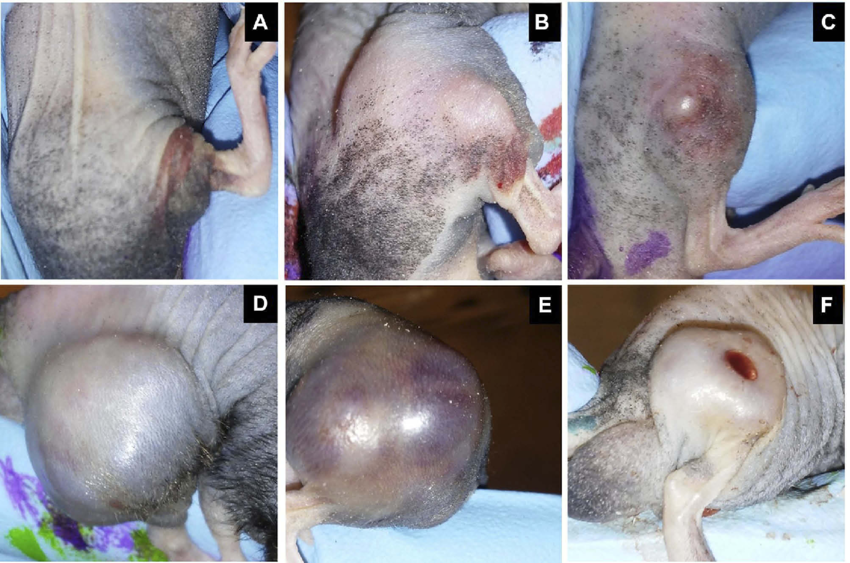
Can Rhabdomyosarcoma Cause Complications?
If not treated promptly, RMS can lead to:
- Metastasis: Spreading to lungs, bone marrow, or other organs.
- Functional Impairment: Depending on tumor location, it may affect movement, vision, or organ function.
- Recurrence: Even after treatment, RMS can return, necessitating ongoing monitoring.
Early and aggressive treatment improves the prognosis and reduces the risk of complications.
How Can Rhabdomyosarcoma Be Prevented?
Currently, there’s no known way to prevent RMS. However, awareness of genetic risk factors and early symptom recognition can lead to earlier diagnosis and treatment. Families with a history of genetic syndromes associated with RMS may benefit from genetic counseling.