What is Facial Hyperhidrosis?
Facial hyperhidrosis is a condition where a person experiences excessive sweating on the face and scalp, even when not hot or physically active. It’s a form of primary hyperhidrosis, meaning the sweating is not caused by another medical condition.
This type of sweating can be embarrassing, uncomfortable, and may affect social confidence, especially when it occurs unexpectedly or in mild temperatures.
What Causes Facial Hyperhidrosis?
Facial hyperhidrosis is often idiopathic, meaning there’s no clear cause. It’s believed to be related to overactive sweat glands that are triggered by the nervous system.
Some potential triggers or risk factors include:
- Genetics – it may run in families
- Stress or anxiety
- Spicy foods, caffeine, or alcohol
- Heat or humidity
- Overactive sympathetic nerves
- Certain neurological or systemic conditions (rare)
In secondary hyperhidrosis, facial sweating may be a symptom of another condition, such as:
- Diabetes
- Thyroid problems
- Parkinson’s disease
- Certain infections or medications
What Are the Symptoms?
Common signs of facial hyperhidrosis include:
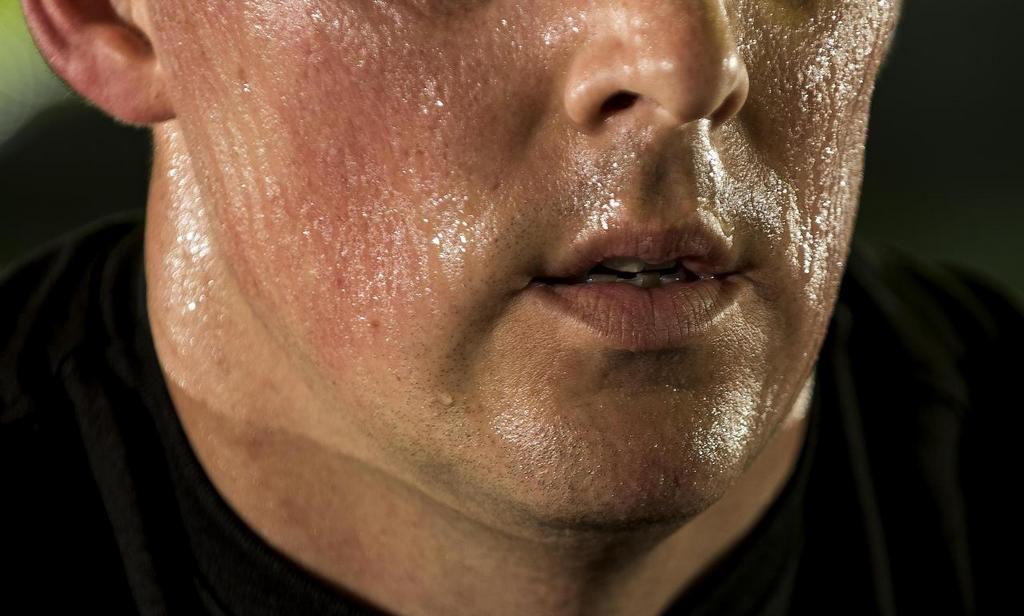
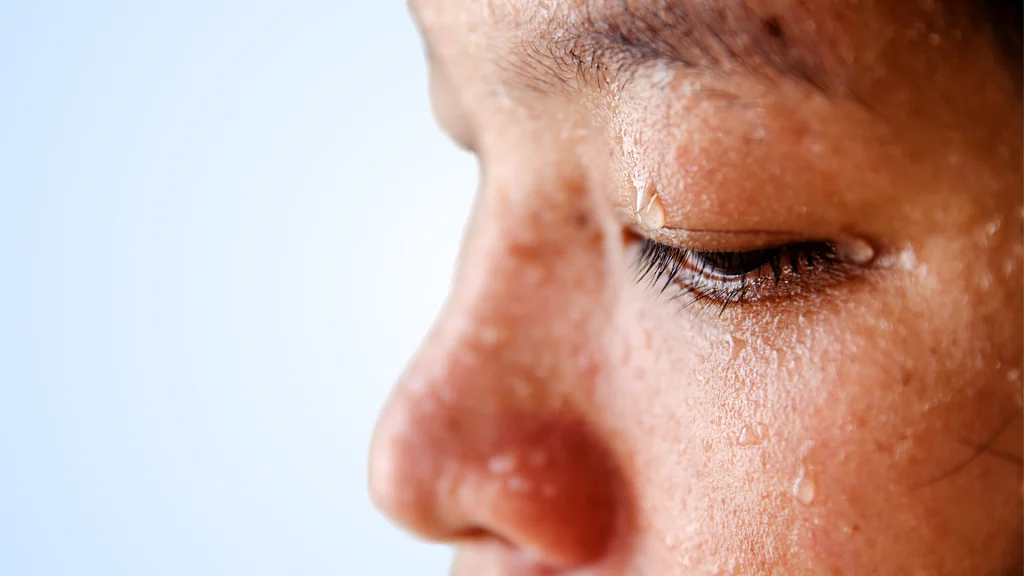
- Visible dripping or beading sweat on the forehead, cheeks, upper lip, or scalp
- Sudden sweating even in cool environments
- Sweating triggered by mild emotional or social stress
- Difficulty wearing makeup or glasses due to moisture
- Skin irritation from constant dampness
- Embarrassment or self-consciousness in public or social situations
The sweating may be localized (just the face) or occur alongside palm or underarm sweating.
How is It Diagnosed?
Diagnosis is primarily based on your symptoms and medical history. A healthcare provider may:
- Ask about the frequency and pattern of sweating
- Rule out secondary causes with blood tests (e.g., thyroid, glucose)
- Perform a starch-iodine test to map areas of excessive sweating
- Evaluate your quality of life and how sweating affects daily activities
Referral to a dermatologist or neurologist may be recommended if the cause is unclear.
How is Facial Hyperhidrosis Treated?
There are several treatment options, depending on the severity and response to therapies.
Lifestyle Adjustments:
- Use clinical-strength antiperspirants (aluminum chloride-based) on the face
- Avoid spicy foods, caffeine, and alcohol
- Use cooling fans, blotting papers, or absorbent wipes
- Wear breathable, moisture-wicking headgear
Medical Treatments:
- Topical Medications:
- Glycopyrronium wipes or creams – reduce sweat gland activity
- Applied once daily to dry skin
- Oral Medications:
- Anticholinergics (e.g., glycopyrrolate, oxybutynin) to reduce overall sweating
- May cause side effects like dry mouth or blurred vision
- Botox Injections:
- Botulinum toxin blocks nerve signals that trigger sweat glands
- Safe and effective for facial sweating
- Results last 4–6 months; may need repeat treatments
- Iontophoresis:
- Low-voltage electrical treatment usually used for hands/feet
- Less commonly used for the face but may help in some cases
- Surgery (for severe cases):
- Endoscopic thoracic sympathectomy (ETS) – cuts the nerves triggering facial sweat
- Used as a last resort due to possible complications like compensatory sweating
- Laser or Microwave Therapies:
- Still being studied for facial areas but can be effective in other body parts
Can It Be Cured?
There is no permanent cure for primary facial hyperhidrosis, but many effective treatments can significantly reduce symptoms. In secondary hyperhidrosis, treating the underlying cause can help control facial sweating.