


What Is Peptic Ulcer Disease?
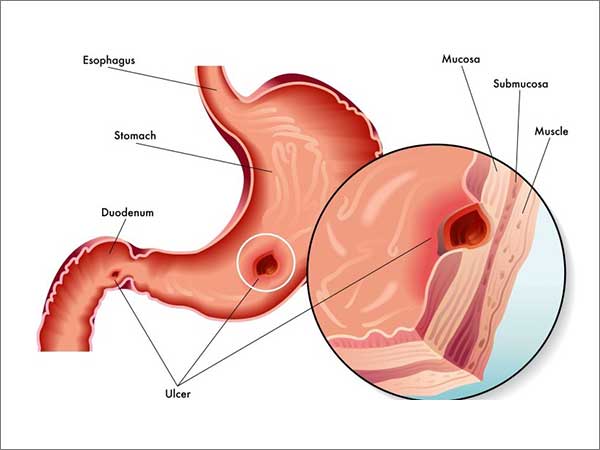
Peptic Ulcer Disease (PUD) refers to open sores that develop on the inner lining of the stomach or the upper part of the small intestine (duodenum). These ulcers occur when the protective mucosal layer is damaged, allowing stomach acid and digestive enzymes to erode the tissue. The two main types of peptic ulcers are:
- Gastric Ulcers: Located in the stomach.
- Duodenal Ulcers: Located in the duodenum.
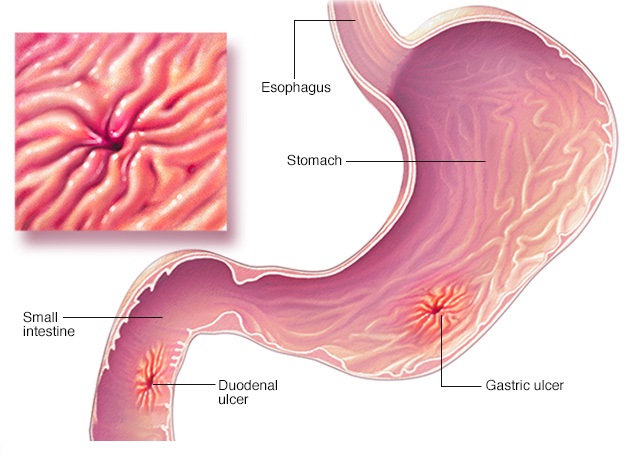
The most common causes of PUD are infection with Helicobacter pylori (H. pylori) bacteria and long-term use of nonsteroidal anti-inflammatory drugs (NSAIDs) .
What Causes Peptic Ulcer Disease?
The primary causes of PUD include:
- H. pylori Infection: A bacterial infection that disrupts the stomach’s protective lining, leading to ulcers.
- NSAIDs Use: Medications like ibuprofen and aspirin can weaken the stomach’s mucosal defenses, increasing the risk of ulcers.
Other contributing factors may include:
- Excessive Alcohol Consumption: Can irritate and erode the stomach lining.
- Tobacco Smoking: May impair ulcer healing and increase recurrence risk.
- Stress: While not a direct cause, stress can exacerbate ulcer symptoms .
What Are the Symptoms of Peptic Ulcer Disease?
Common symptoms of PUD include:
- Burning or Gnawing Stomach Pain: Often occurring between meals or at night.
- Bloating and Belching: Feeling of fullness and frequent burping.
- Nausea and Vomiting: May include vomiting blood or material resembling coffee grounds.
- Loss of Appetite and Weight Loss: Particularly with gastric ulcers.
- Black or Tarry Stools: Indicating potential gastrointestinal bleeding .
It’s important to note that some individuals may have no symptoms, especially in the early stages.
How Is Peptic Ulcer Disease Diagnosed?
Diagnosis of PUD typically involves:
- Medical History and Physical Examination: To assess symptoms and risk factors.
- Endoscopy (EGD): A procedure where a flexible tube with a camera is used to view the stomach and duodenum directly.
- Urea Breath Test: Detects H. pylori infection by measuring carbon dioxide levels after ingestion of a urea solution.
- Stool Antigen Test: Identifies H. pylori antigens in stool samples.
- Blood Tests: To detect H. pylori antibodies or anemia due to bleeding .
What Are the Treatment Options for Peptic Ulcer Disease?
Treatment strategies for PUD include:
- Antibiotics: To eradicate H. pylori infection (e.g., amoxicillin, clarithromycin).Wikipedia
- Proton Pump Inhibitors (PPIs): Reduce stomach acid production, aiding in ulcer healing.
- H2-Receptor Antagonists: Decrease acid secretion to promote healing.
- Antacids and Antisecretory Agents: Provide symptomatic relief.
- Discontinuation of NSAIDs: If applicable, to prevent further mucosal damage.
In cases of complications like bleeding or perforation, surgical intervention may be necessary .
What Are the Potential Complications of Untreated Peptic Ulcer Disease?
If left untreated, PUD can lead to:
- Gastrointestinal Bleeding: Manifested by vomiting blood or black stools.
- Perforation: A hole in the stomach or duodenal wall, leading to peritonitis.
- Gastric Outlet Obstruction: Narrowing of the passage between the stomach and duodenum, causing vomiting and weight loss.
- Increased Risk of Stomach Cancer: Particularly with chronic H. pylori infection .
What Is the Prognosis for Individuals with Peptic Ulcer Disease?
With appropriate treatment, the prognosis for PUD is generally favorable. Most ulcers heal within a few weeks, and recurrence can be prevented by addressing underlying causes such as H. pylori infection or NSAID use. Regular follow-up with a healthcare provider is recommended to monitor healing and prevent complications .
